

 English
  русский
  Español
  عربى
عربى  Português
  Deutsch
  Türk
Türk  Indonesia
Structural performance 1. According to the transmission torque and flexibility of the size...

Search
Product Category
Hot Products
Contact Us
+86 511 8572 3800
+86 511 8572 3900
+86 15106109009 Keep in touch
Don't hesitate to send a message
+86 511 8572 3900
+86 15106109009 Keep in touch
Tyre/Clamp/Flange/Gear Coupling Manufacturers
-
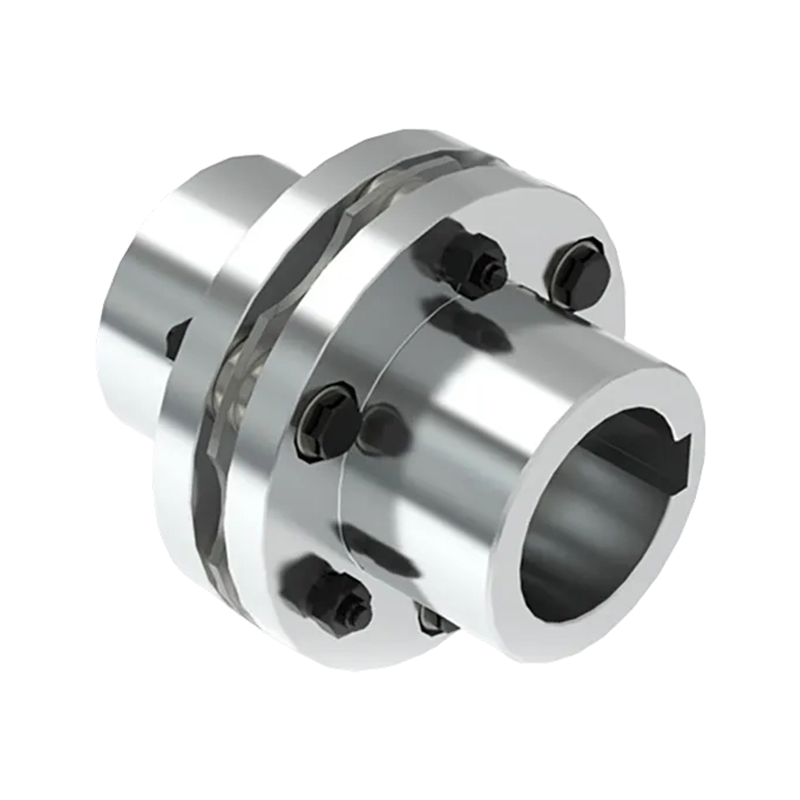
-
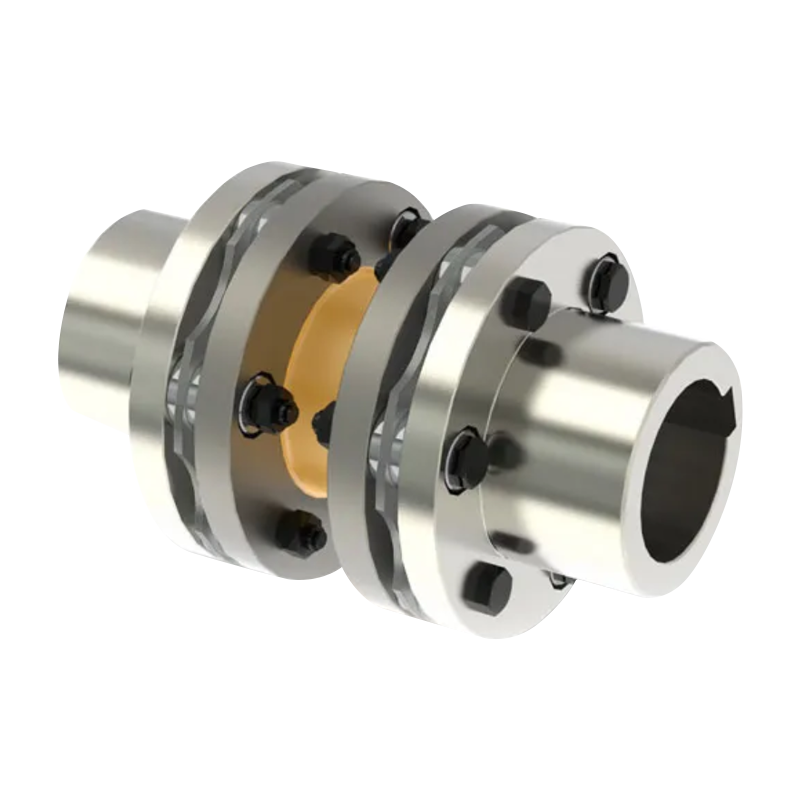 MPJ type diaphragm coupling with intermediate shaft type (Q/YP 21002X-2018)
OverviewThe MPJ type diaphragm coupling with intermediate shaft type is a high-performance...
-
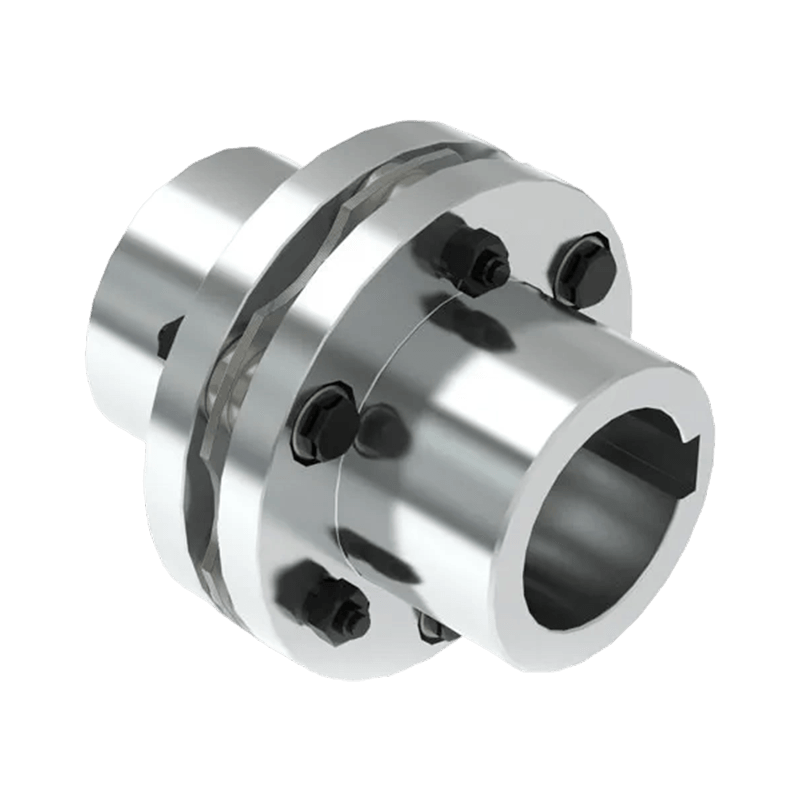 DMA single type elastic diaphragm coupling
Overview The DMA Single Type Elastic Diaphragm Coupling is a highly efficient mechanical d...
-
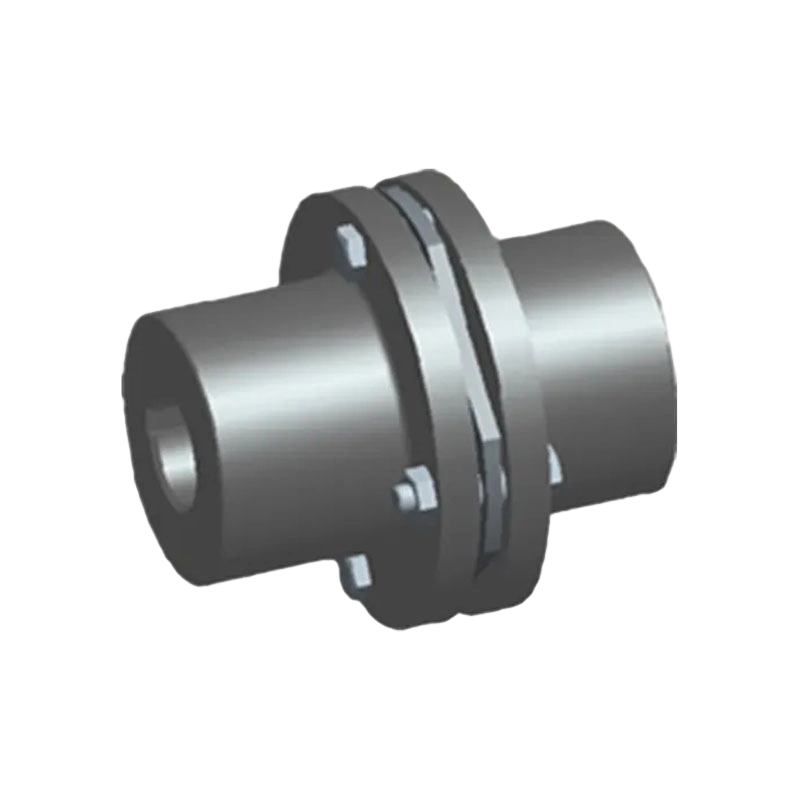 DMB type key connection single type elastic diaphragm coupling(Q/YP 22004X-2018)
The DMB type key connection single type elastic diaphragm coupling is a precision-engineer...
-
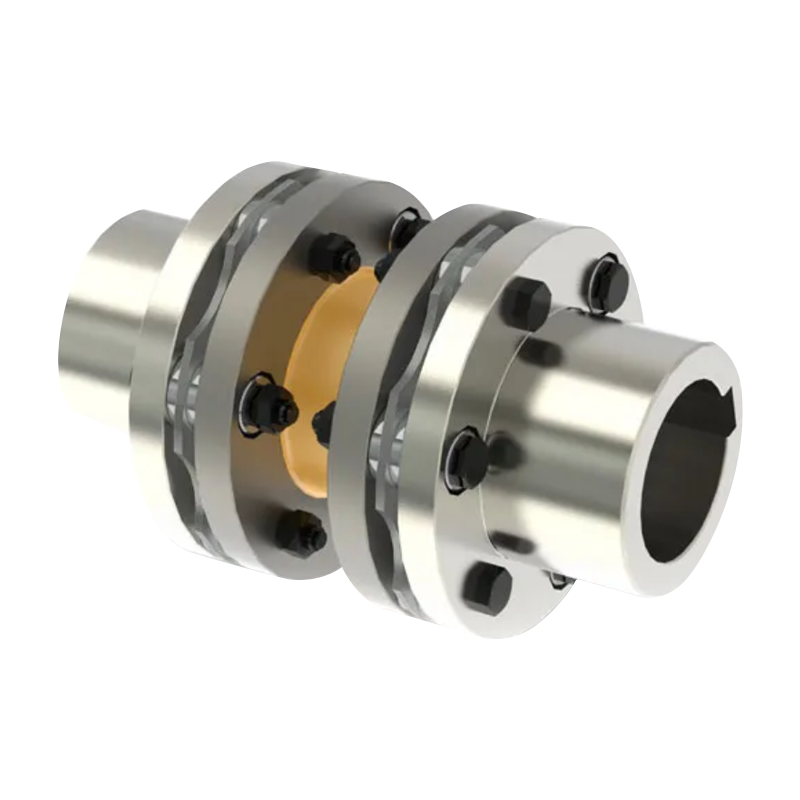 SM type bond connects double type elastic diaphragm coupling
The SM type bond connects double type elastic diaphragm coupling is a type of flexible cou...
-
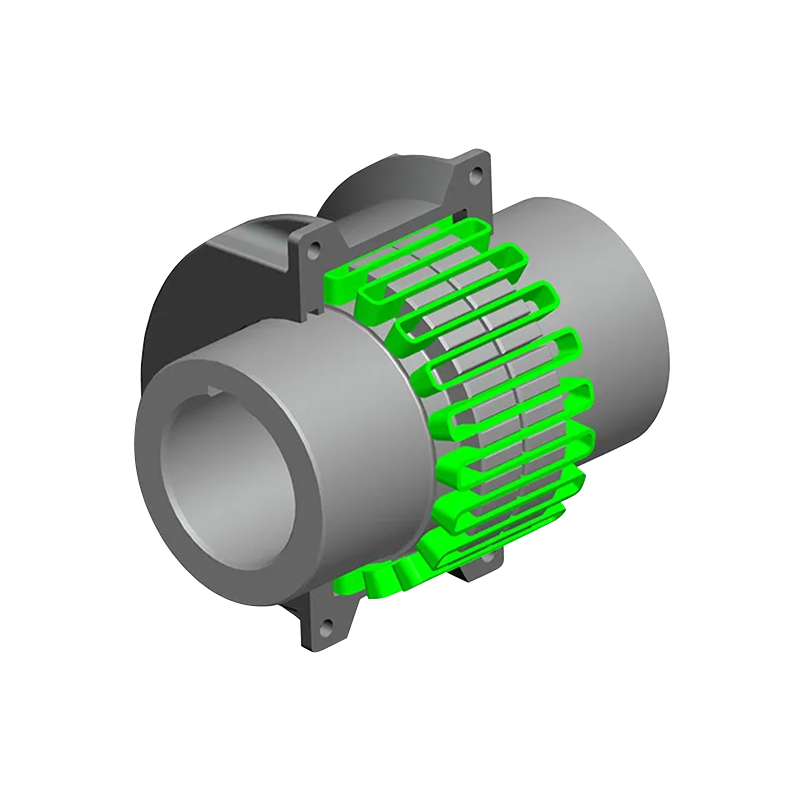 SC type snake spring coupling(Q/YS 23006X-2018)
Snake spring coupling is synonymous with grid coupling. Overview SC Type Snake Spring Coup...
-
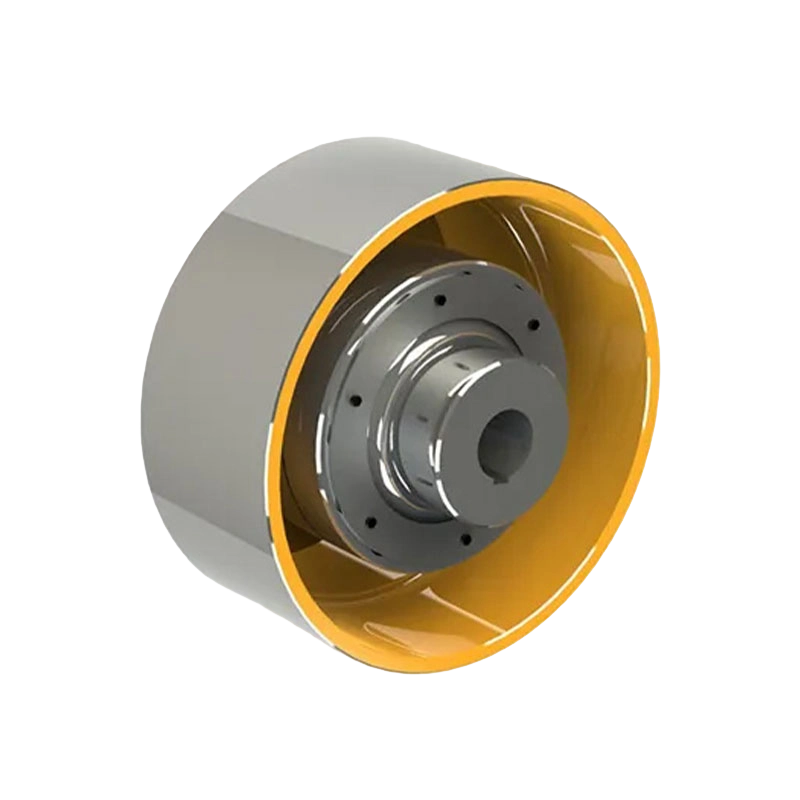
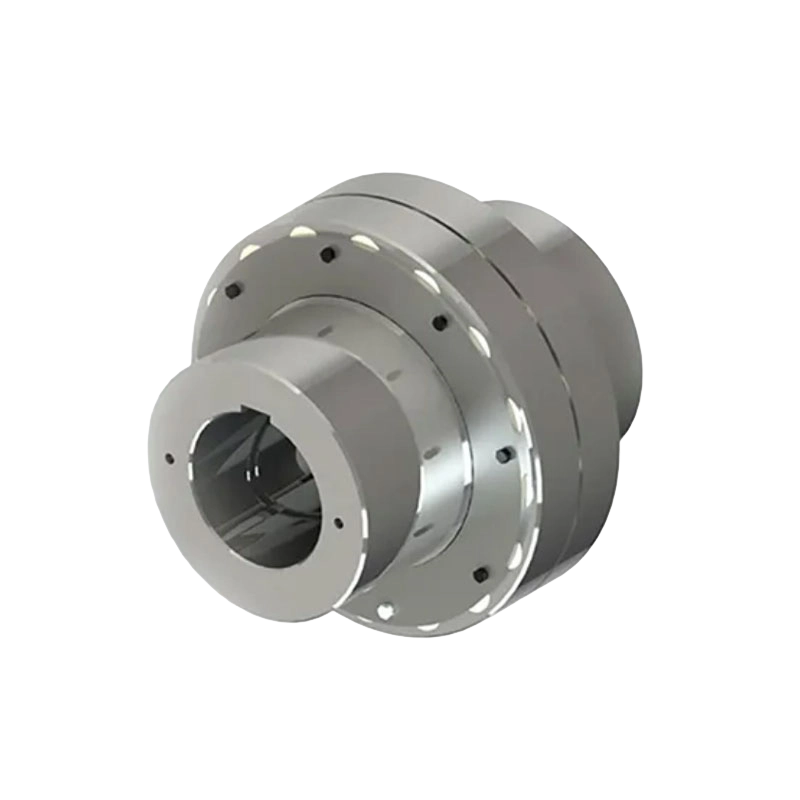 HC type elastic pin coupling(Q/YZ31001X-2018)
Structural performance1. The elastic element is MC nylon, its strength and wear resistance...
-
-
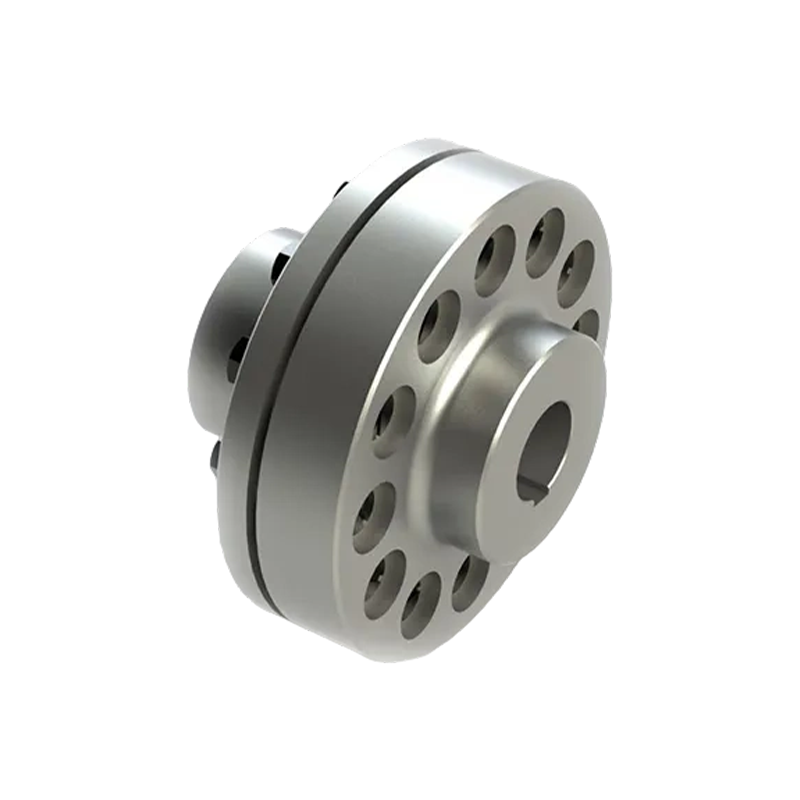 TC type elastic sleeve pin coupling(Q/YZ 320033-2018)
Structural performance1. Due to the gap between the circular hole on the flange of the ela...
-
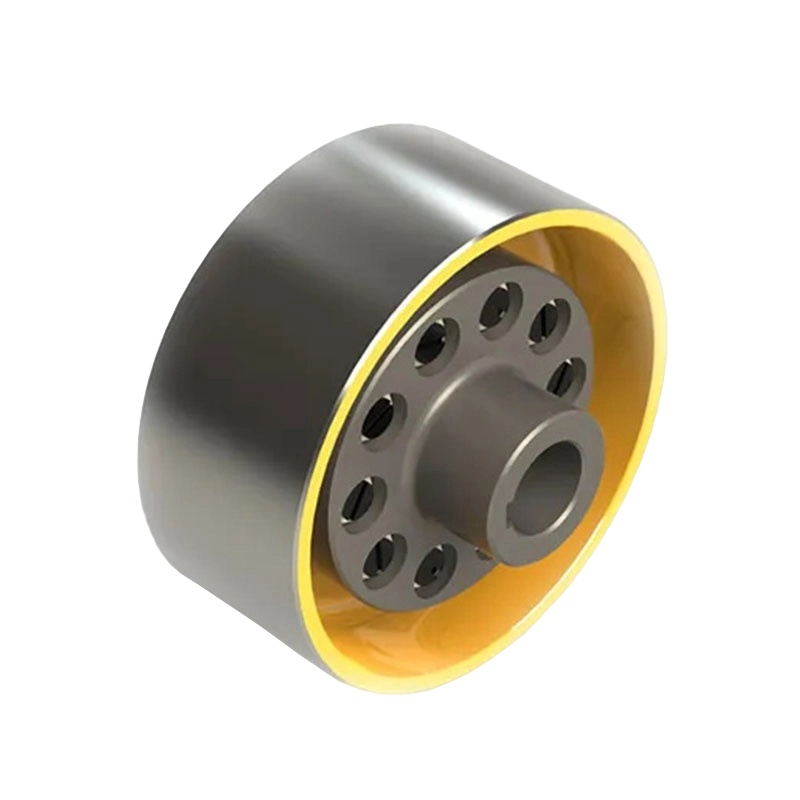 TCL type pin coupling with brake wheel elastic sleeve(Q/YZ32004X-2018)
Structural performance1. Due to the gap between the circular hole on the flange of the ela...
-
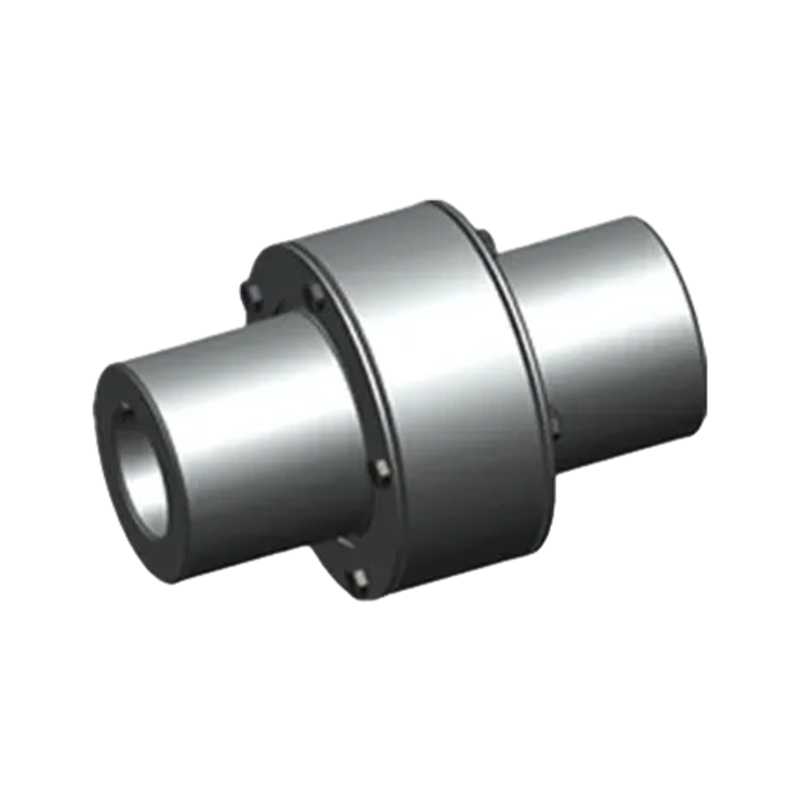 ZC type elastic pin gear coupling(Q/YZ33006X-2018)
ZC-type elastic pin gear coupling structural performance 1. The outer edge of the two half...
-
ZCD type conical shaft hole elastic pin gear coupling(Q/YZ33007X-2018)
ZCD type conical shaft hole elastic pin gear coupling Core Feature 1. Excellent cone hole...
Our main products are toothed coupling, elastic sleeve column pin coupling, elastic column pin coupling, gear coupling with elastic pin, a universal coupling, tire coupling, jaw coupling, star coupling, diaphragm coupling, drum coupling and grid coupling, the Oldham coupling, flange coupling, clip shell coupling, GL type roller chain coupling and a safety coupling, and so on.
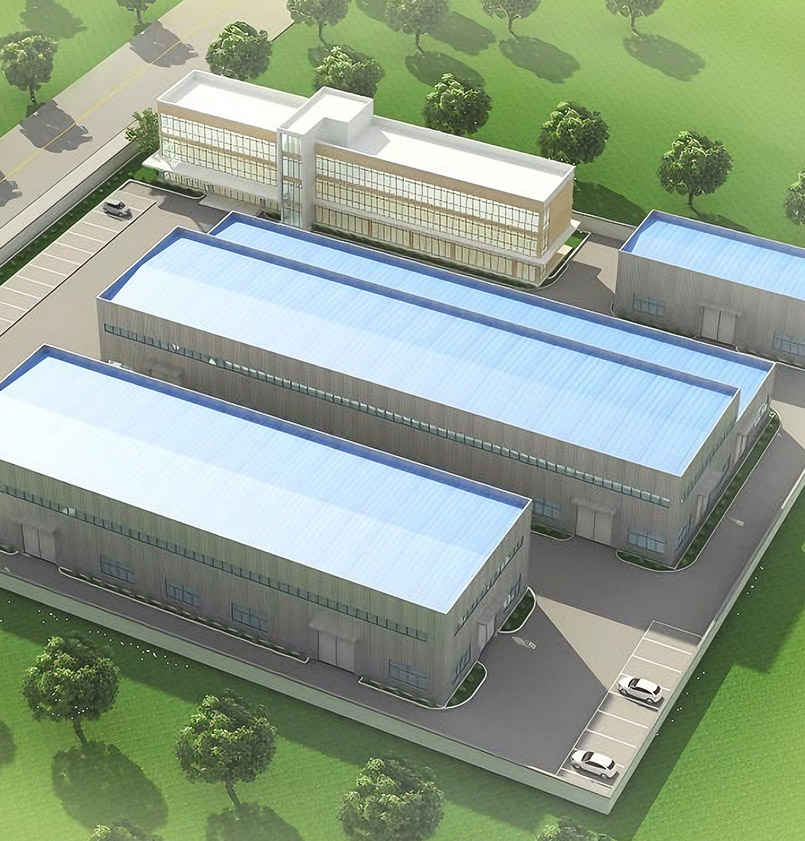
Zhongye Heavy Industry Technology (Zhenjiang) Co., Ltd.
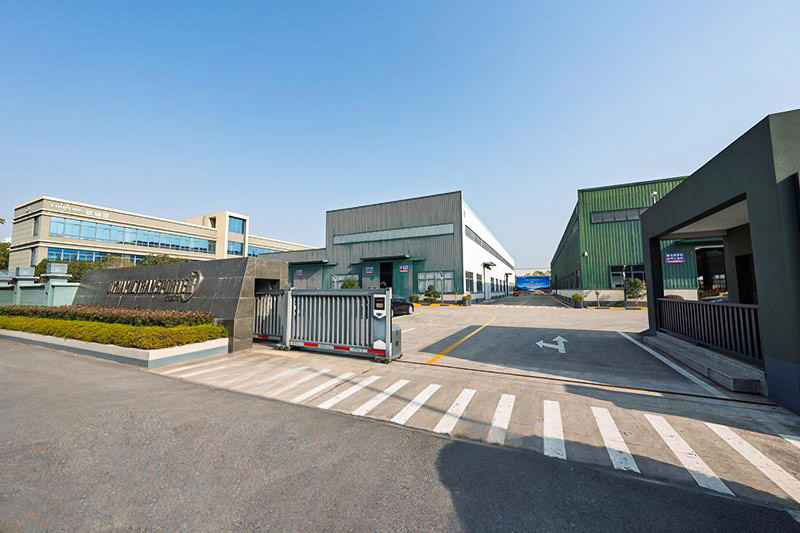
Zhongye Heavy Industry Technology (Zhenjiang) Co., Ltd. is located in a well-known ancient city, Zhenjiang. We are an enterprise integrating R & D, manufacturing, and sales. As China Industrial Universal Coupling/Joint Manufacturers and Cardan Shaft Factory, our products are widely used in metallurgical equipment, mining equipment, water equipment, lifting equipment, paper equipment, port equipment and other industries.
Our main products are toothed coupling, elastic sleeve column pin coupling, elastic column pin coupling, gear coupling with elastic pin, a universal coupling, tire coupling, jaw coupling, star coupling, diaphragm coupling, drum coupling and grid coupling, the Oldham coupling, flange coupling, clip shell coupling, GL type roller chain coupling and a safety coupling, and so on. Our company also undertakes a variety of non - standard coupling designs and manufacturing.
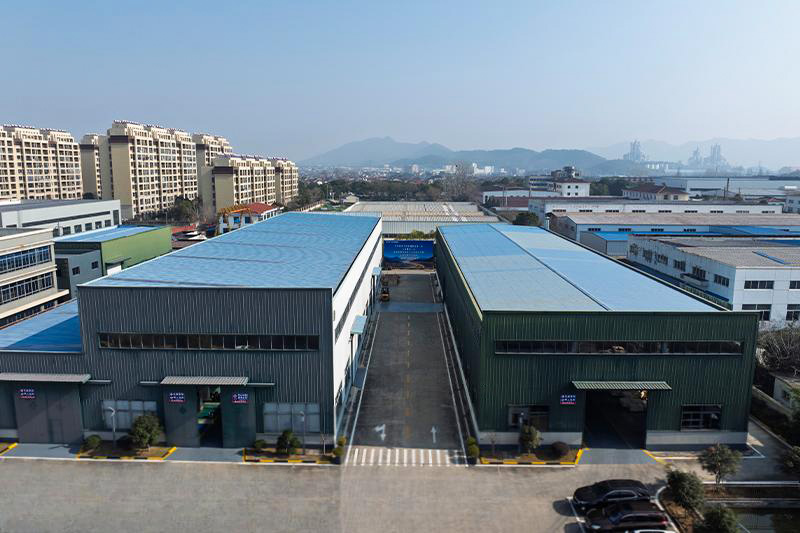
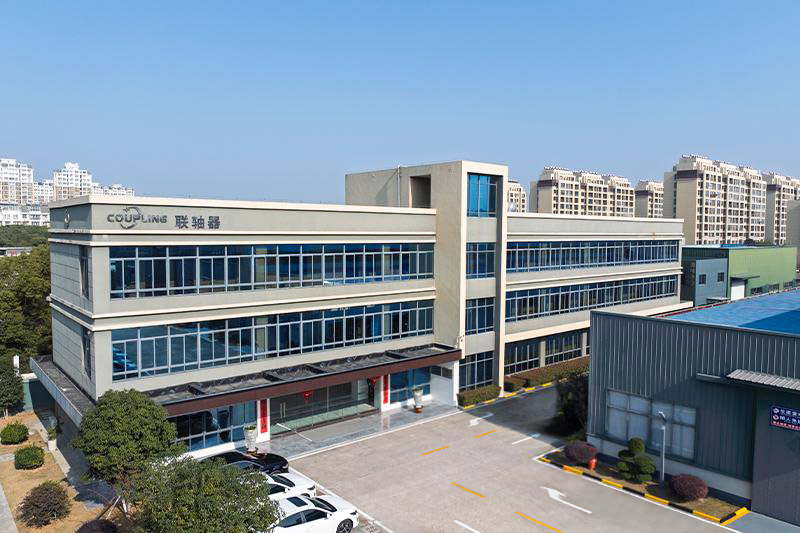
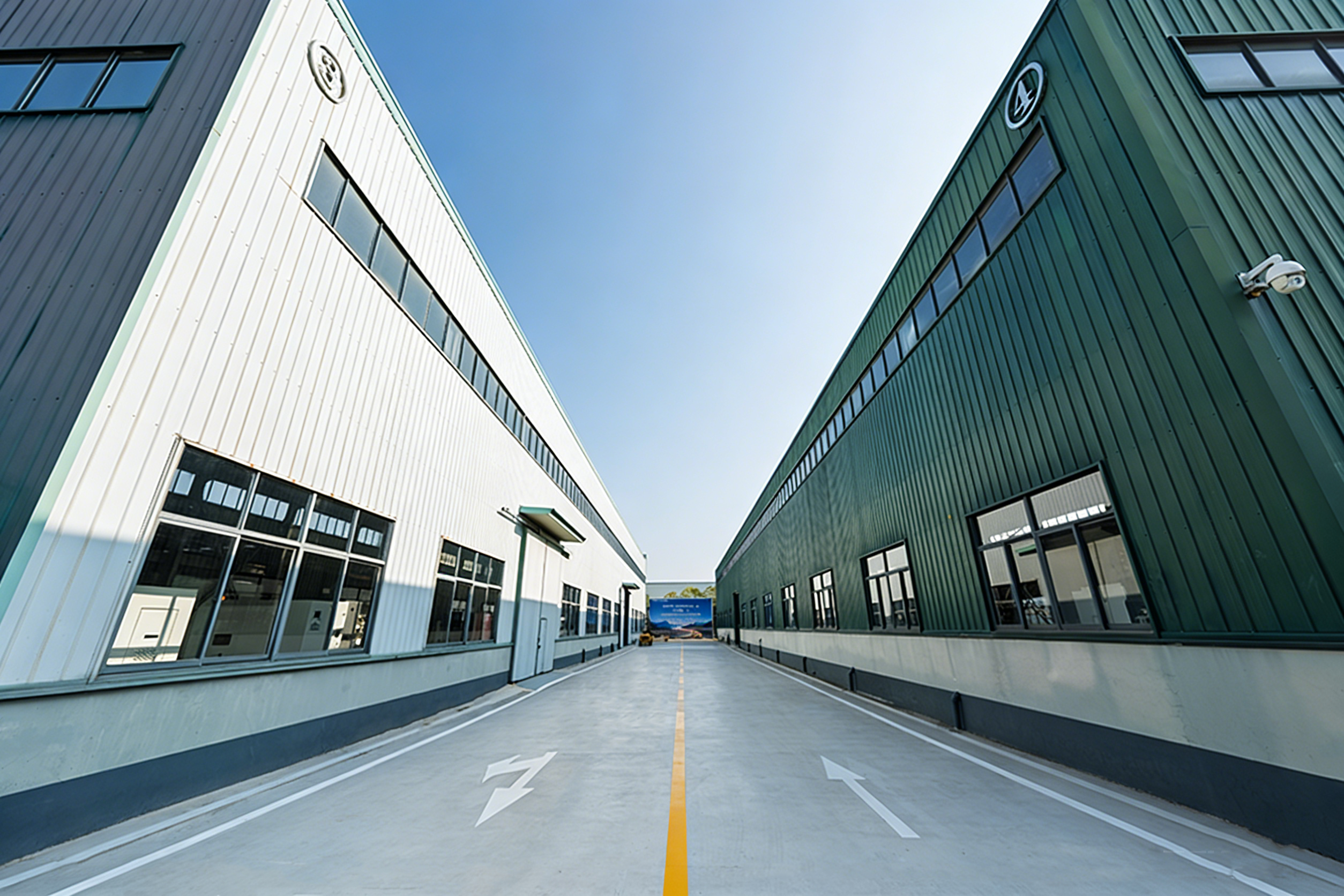
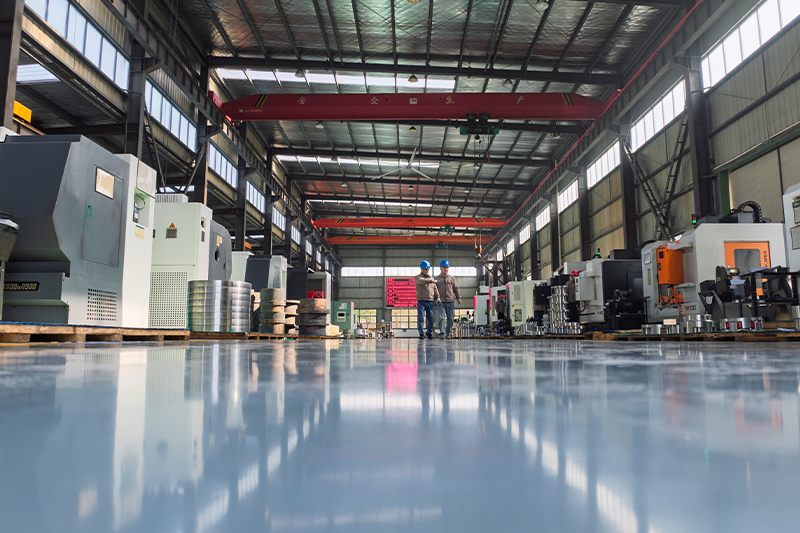
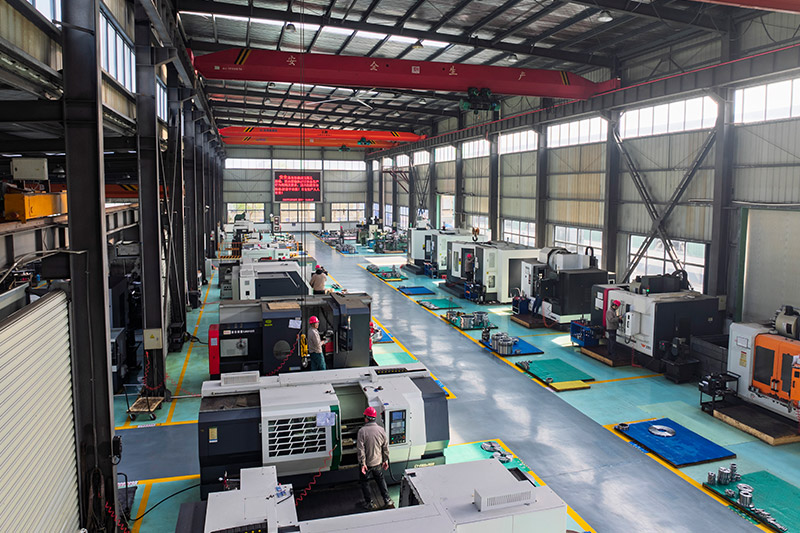
New workshop covers an area of about 16463.52 m². heavy workshop 5,500 M2, Precision workshop 4,600 m², office building and the gymnasium 2000 M2, Dinning hall 500m², Warehouse 1000 m², Roads, greening, parking areas 3563 M2.
View more
Our main products are toothed coupling, elastic sleeve column pin coupling, elastic column pin coupling, gear coupling with elastic pin, a universal coupling, tire coupling, jaw coupling, star coupling, diaphragm coupling, drum coupling and grid coupling, the Oldham coupling, flange coupling, clip shell coupling, GL type roller chain coupling and a safety coupling, and so on. Our company also undertakes a variety of non - standard coupling designs and manufacturing.
New workshop covers an area of about 16463.52 m². heavy workshop 5,500 M2, Precision workshop 4,600 m², office building and the gymnasium 2000 M2, Dinning hall 500m², Warehouse 1000 m², Roads, greening, parking areas 3563 M2.
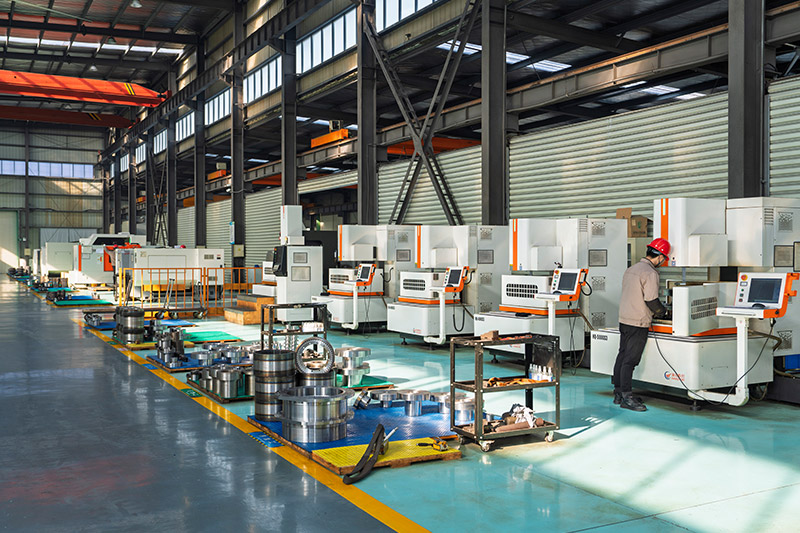
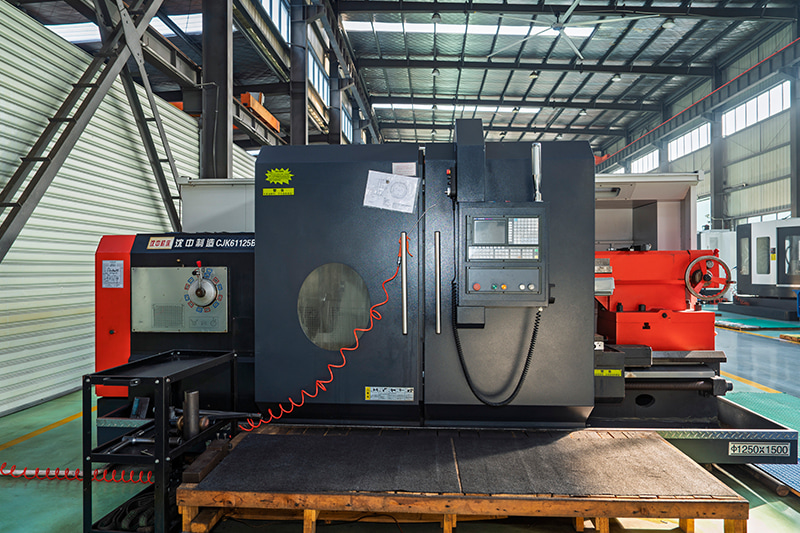
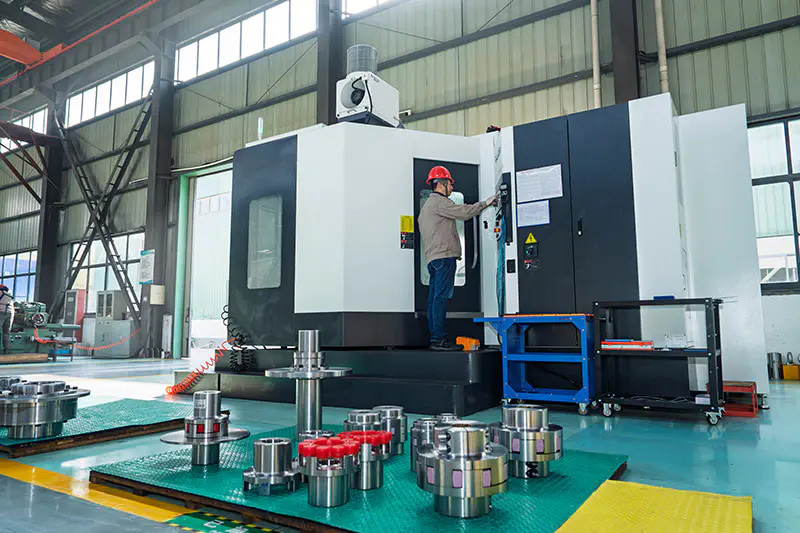
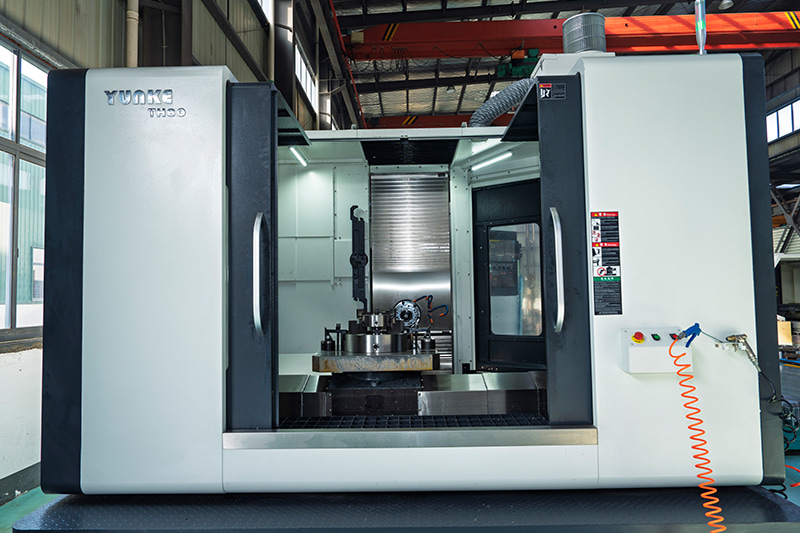
Plant Equipment
FACTORY TOUR
Industry knowledge
Tyre/Clamp/Flange/Gear Coupling Designed for Rigid Flange-Based High-Torque Applications
Rigid flange structures within the Tyre/Clamp/Flange/Gear Coupling category are engineered for direct shaft-to-shaft torque transmission where angular deviation is minimized and structural stiffness is prioritized. The core mechanical principle is the creation of a solid mechanical interface between two rotating shafts through precision-machined hubs and bolted flange faces. Torque transfer occurs through a combination of frictional force generated by bolt preload and shear resistance provided by high-strength fasteners. Design calculations consider nominal torque, peak torque, shock coefficients, rotational speed, shaft diameter, and keyway stress concentration factors. Flange thickness, bolt circle diameter, hub length, and transition fillet radius are proportioned to distribute torsional stress evenly while reducing localized deformation under continuous duty cycles. Finite element simulation is commonly applied to evaluate stress gradients at bolt holes and hub shoulders, ensuring fatigue resistance over extended operational periods.
Zhongye Heavy Industry Technology (Zhenjiang) Co., Ltd., located in the well-known ancient city of Zhenjiang, integrates R & D, manufacturing, and sales to support such engineering development. As China Industrial Universal Coupling/Joint Manufacturers and Cardan Shaft Factory, products are widely used in metallurgical, mining, water, lifting, paper, and port equipment. The company’s heavy workshop of 5,500 m² and precision workshop of 4,600 m² provide controlled machining environments for achieving tight dimensional tolerances required in rigid flange coupling production. Structural verification procedures ensure that each flange coupling maintains concentricity, axial alignment accuracy, and bolt symmetry, forming a dependable mechanical interface suitable for high-torque transmission systems operating under demanding industrial conditions.
Material selection determines torque capacity, fatigue life, and environmental durability in Tyre/Clamp/Flange/Gear Coupling flange systems. High-strength carbon steel is commonly used for moderate torque ranges, while alloy steels such as 42CrMo or equivalent grades are selected for heavy-load, cyclic applications. Metallurgical processes include forging to refine grain structure, followed by quenching and tempering to achieve a balanced combination of tensile strength and impact resistance. Surface hardness is optimized to resist fretting at flange interfaces, while maintaining sufficient core toughness to prevent brittle fracture under shock loading. In corrosive or marine environments, anti-corrosion coatings, galvanization, or stainless alloys are introduced to improve resistance against oxidation and moisture exposure.
Zhongye Heavy Industry Technology (Zhenjiang) Co., Ltd. implements strict raw material inspection standards prior to production. Chemical composition analysis verifies compliance with specified grades, and mechanical testing confirms tensile strength, yield strength, elongation, and impact values. Within the integrated production base covering approximately 16,463.52 m², controlled heat treatment operations enhance structural uniformity and minimize residual stress. By combining metallurgical discipline with precision machining, the company ensures that rigid flange couplings achieve stable mechanical properties under continuous high torque and variable load conditions across metallurgical mills, mining conveyors, and heavy pump systems. This systematic approach supports extended service life while maintaining dimensional integrity during prolonged industrial operation.
Rigid flange-based Tyre/Clamp/Flange/Gear Coupling systems are selected when torsional deformation must remain minimal. Torsional rigidity is defined by the angular displacement per unit torque and directly influences rotational synchronization between connected shafts. In synchronized rolling mills or dual-motor drives, even slight torsional lag can affect product uniformity and load distribution. The rigid flange design minimizes elastic deflection by utilizing thick flange plates, optimized bolt distribution, and robust hub geometry. Shaft-hub interference fit and key engagement are engineered to prevent micro-movement under peak torque conditions. Stress flow from shaft to hub to flange face is analyzed to avoid abrupt cross-sectional transitions that could initiate fatigue cracks.
Zhongye Heavy Industry Technology (Zhenjiang) Co., Ltd. applies CNC machining processes in the precision workshop to maintain strict concentricity and perpendicularity standards. Each hub bore is measured using coordinate measuring instruments to ensure accurate shaft fit. Dynamic balancing may be performed for high-speed applications to reduce vibration amplitude during rotation. Products manufactured by the company are widely applied in metallurgical and mining equipment where torque loads fluctuate due to raw material variability. Structural reinforcement at hub shoulders and optimized bolt circle spacing increase load distribution efficiency, enhancing operational stability in crushers, heavy-duty pumps, and conveyor drive systems. Through integrated R & D and production management, rigid flange couplings are engineered to perform consistently under continuous high-load operation.
Bolt preload determines frictional torque capacity in rigid Tyre/Clamp/Flange/Gear Coupling flange assemblies. Engineering calculations consider bolt grade, nominal diameter, thread engagement length, friction coefficient, and expected torque load. Preload must exceed operational shear force to prevent slippage between flange faces. Uniform bolt tension is achieved through calibrated torque wrenches or hydraulic tensioning tools, and tightening follows a cross-sequence pattern to ensure even compression. Contact surface flatness is controlled to maximize friction coefficient and avoid localized gap formation. In heavy-duty applications, hardened washers or direct tension indicators may be incorporated to maintain preload stability during thermal expansion cycles.
Zhongye Heavy Industry Technology (Zhenjiang) Co., Ltd. provides technical documentation including recommended bolt grades and tightening torque values for each flange coupling specification. Production within the 5,500 m² heavy workshop includes precise drilling and tapping operations to maintain bolt hole symmetry and perpendicularity. Inspection procedures verify bolt circle concentricity to ensure balanced stress distribution. In high-temperature metallurgical environments, material expansion coefficients are considered during preload calculation to maintain clamping force consistency. Through controlled manufacturing and technical guidance, flange joint integrity remains stable during long-term operation in water equipment, lifting machinery, and port systems where torque loads may vary significantly during start-stop cycles.
Dimensional accuracy directly affects alignment quality and torque transmission efficiency in Tyre/Clamp/Flange/Gear Coupling flange systems. Critical parameters include bore tolerance, keyway geometry, flange face flatness, axial runout, and radial runout. CNC turning centers produce hubs with tight bore tolerances to ensure proper interference or clearance fit depending on application requirements. Keyways are machined to specified depth and width standards to avoid stress concentration while maintaining torque capacity. Flange faces are ground or precision-machined to achieve uniform contact surfaces, improving friction-based torque transfer.
Zhongye Heavy Industry Technology (Zhenjiang) Co., Ltd. utilizes advanced machining equipment in the 4,600 m² precision workshop to control these tolerances. Coordinate measuring machines verify dimensional conformity before assembly. Surface roughness measurement ensures appropriate friction characteristics without excessive wear. Each coupling undergoes quality inspection prior to packaging in the 1,000 m² warehouse facility. The integrated infrastructure, including roads and logistics planning within the 16,463.52 m² production area, supports systematic workflow from raw material intake to final delivery. Accurate dimensional control enhances installation efficiency in industrial environments and reduces alignment correction time during commissioning. This precision manufacturing approach supports reliable torque transmission across heavy-duty equipment applications.
Get In Touch
Follow us
- Quick Links
- About
- Products
- Our Service
- News & Events
- Contact
- Products Series
- Flexible Couplings with Non-Elastic Elements
- Flexible Couplings with Metal Elastic Elements
- Flexible Couplings with Non-Metallic Elastic Elements
- Safety Coupling
- Rigid Coupling
- Contact Us
- Tel : +86 511 8572 3800 +86 511 8572 3900
- Mobile : +86 15106109009
- Email : [email protected]
- Add:No.1 Zhongye Yingbin Avenue, Gaozi Street, Dantu Economic Development Zone, Zhenjiang City, Jiangsu Province, China.


