:+86 15106109009
:sales@couplingzy.com


 English
  русский
  Español
  عربى
عربى  Português
  Deutsch
  Türk
Türk  Indonesia

How Do GB Drum Gear Couplings Improve Mechanical Transmission Efficiency and Equipment Reliability in Heavy-Duty Industrial Applications?
Content
- 1 Why Is Mechanical Transmission Efficiency Important in Industrial Equipment?
- 2 How Do GB Drum Gear Couplings Support Equipment Reliability?
- 3 What Makes Drum Gear Couplings Suitable for Heavy-Duty Industrial Applications?
- 4 How Can Proper Installation and Maintenance Improve Performance?
- 5 What Are the Future Development Trends for Industrial Gear Couplings?
- 6 Comparison Table: Drum Gear Coupling vs Other Coupling Types
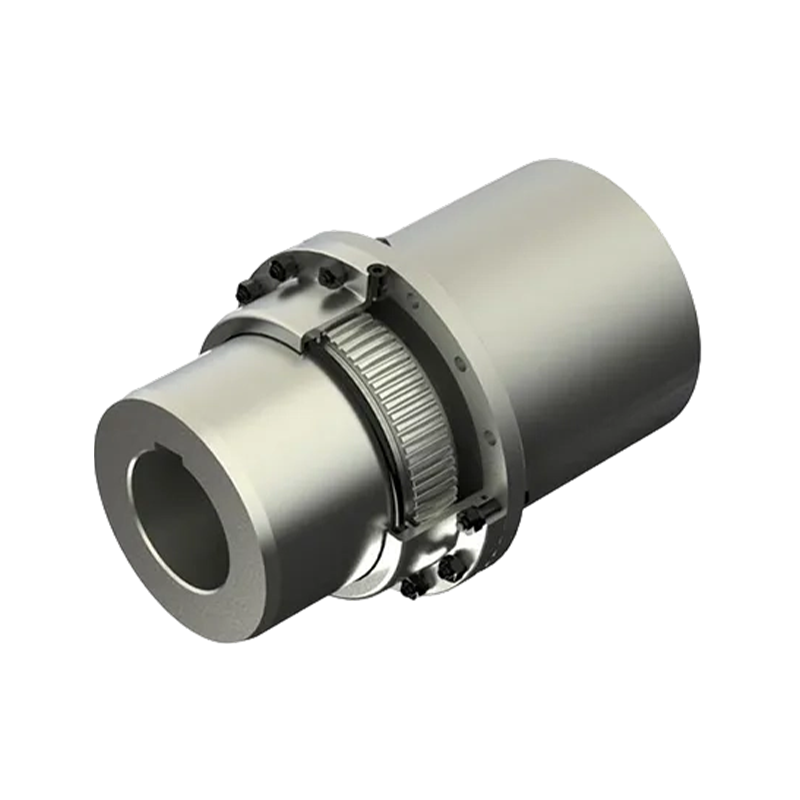
In modern industrial systems, reliable power transmission plays an essential role in ensuring stable equipment operation. Large machines used in industries such as mining, metallurgy, cement production, and port handling often require components capable of handling heavy loads and continuous operation. Among these components, GB Drum Gear Couplings are widely used in mechanical transmission systems because they help maintain mechanical transmission efficiency, support equipment reliability, and meet the requirements of heavy-duty industrial applications.
A drum gear coupling connects two rotating shafts and transfers torque between them. Its design allows a certain degree of misalignment while maintaining efficient power transmission. Because industrial machinery often operates under demanding conditions, the ability to maintain stable performance over long periods is highly valued. This article explores how GB drum gear couplings contribute to industrial machinery performance, why they are commonly used in heavy-duty environments, and how proper installation and maintenance help maximize their operational value.
Why Is Mechanical Transmission Efficiency Important in Industrial Equipment?
Mechanical transmission systems are responsible for transferring energy from motors or engines to working components in machinery. When transmission systems operate efficiently, equipment can perform tasks with less energy loss and more stable operation. Couplings, gears, and shafts all contribute to this process.
In industrial settings, even small improvements in mechanical transmission efficiency can help reduce energy consumption and support smoother machine performance.
What Factors Influence Mechanical Transmission Efficiency in Industrial Machinery?
Mechanical transmission efficiency depends on several technical and operational factors. Components in the power transmission system must work together smoothly to ensure that energy is transferred effectively from the driving source to the driven equipment.
Several factors influence transmission efficiency:
Precision of mechanical components such as gears and couplings
Proper alignment of shafts
Lubrication quality and maintenance conditions
Material strength and wear resistance
When these factors are properly managed, industrial machinery can operate more efficiently and with fewer interruptions. Drum gear couplings contribute to this process by providing a strong and stable connection between rotating shafts.
How Do Couplings Affect Power Transmission Performance?
Couplings play a central role in industrial power transmission systems. They connect shafts that transfer torque from motors to driven machines such as conveyors, crushers, and rolling mills. Without a suitable coupling, power transmission may become unstable or inefficient.
Drum gear couplings are designed to improve transmission performance by maintaining consistent torque transfer even when slight misalignment occurs between shafts.
Their contribution to transmission performance includes:
Stable torque transfer between connected shafts
Reduced stress on bearings and other components
Adaptability to slight misalignment in mechanical systems
Improved overall machine stability
Because of these characteristics, drum gear couplings are often selected for equipment that requires reliable and continuous operation.
Why Are Drum Gear Couplings Used in High-Torque Systems?
High-torque transmission systems require couplings that can withstand heavy loads without compromising stability. Drum gear couplings are well suited for such applications due to their structural design.
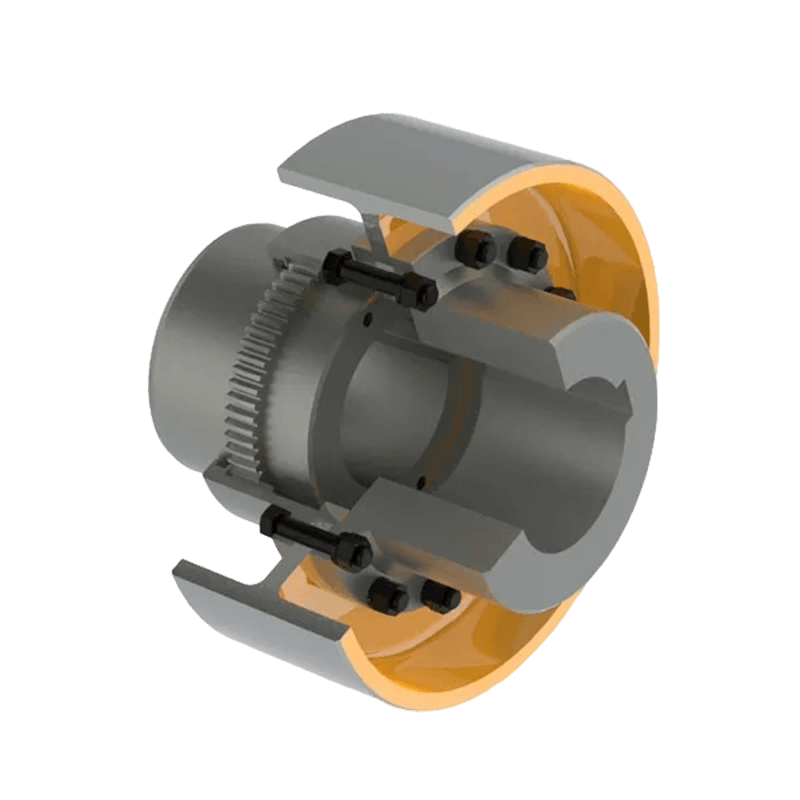
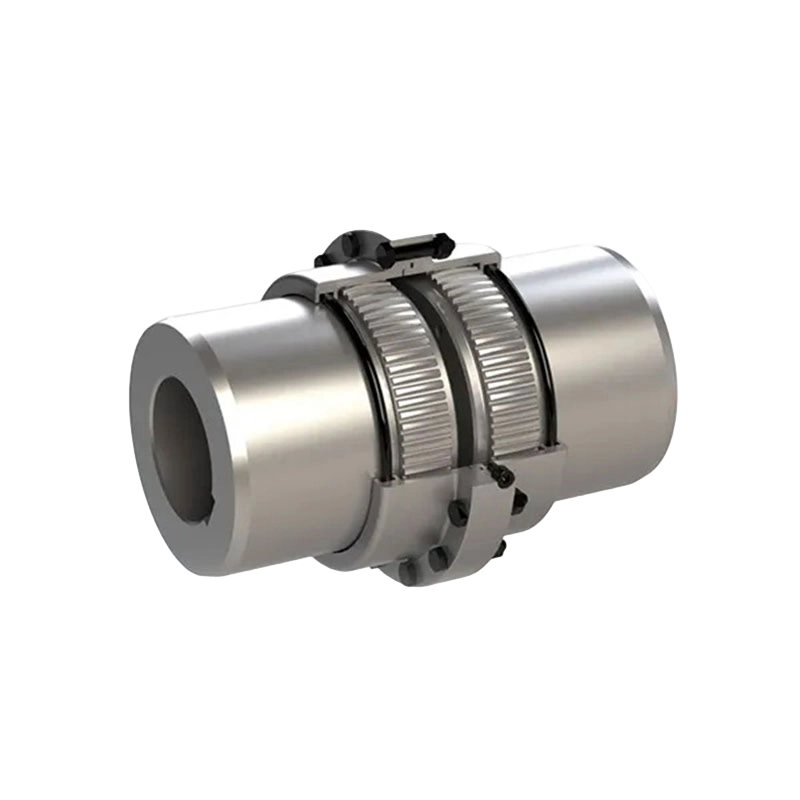
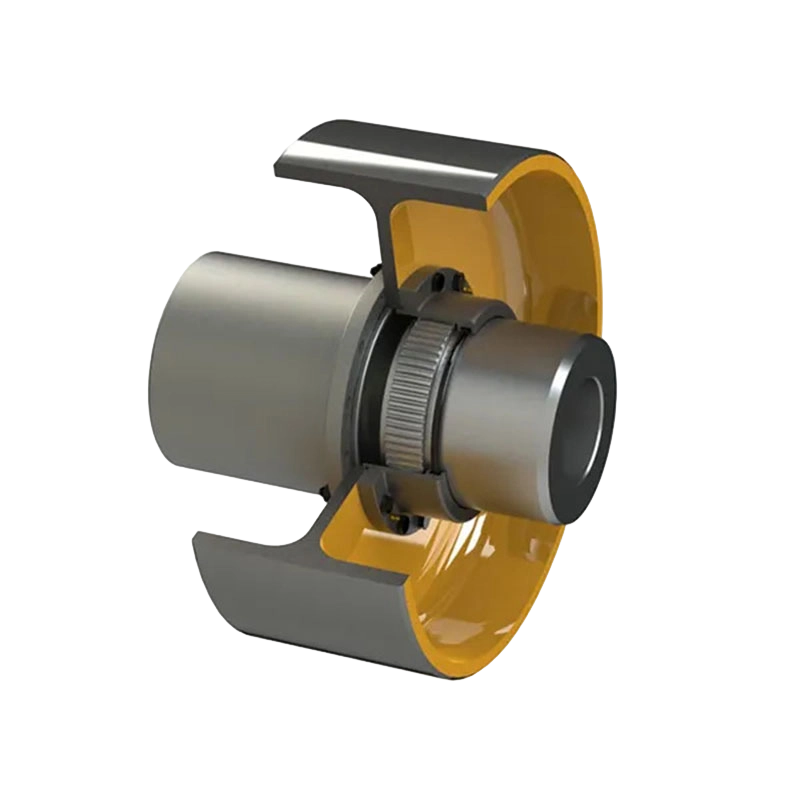
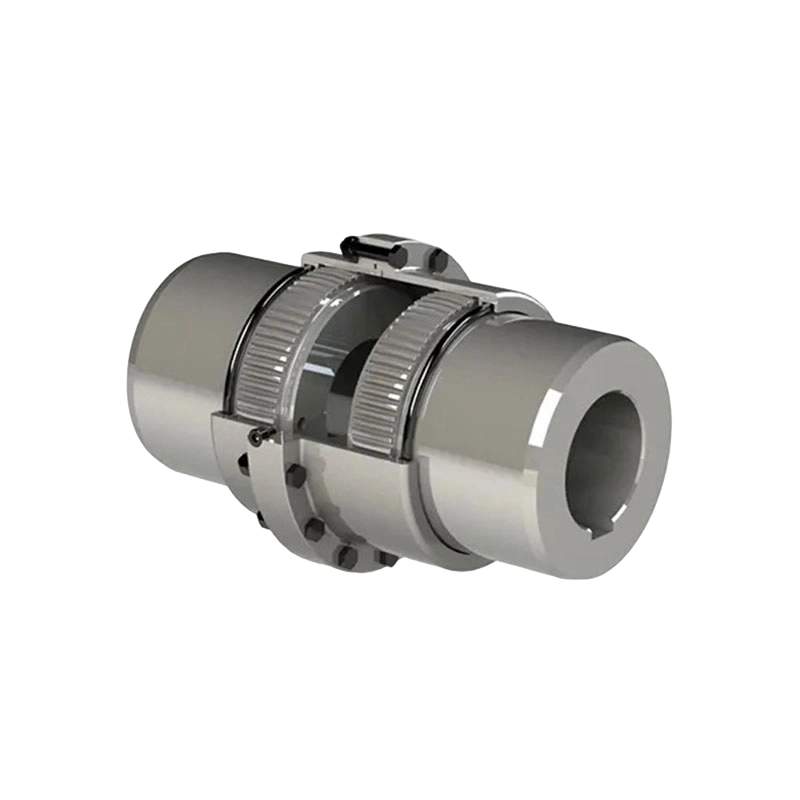
The drum-shaped gear teeth allow greater flexibility in accommodating shaft misalignment while maintaining a large contact surface between gear teeth. This structure helps distribute load more evenly.
Advantages of drum gear couplings in high-torque systems include:
Strong load-bearing capability
Ability to handle large torque transmission
Improved tolerance to shaft misalignment
Stable performance under heavy operating conditions
These characteristics make them a practical solution in industrial machinery that requires reliable mechanical transmission.
How Do GB Drum Gear Couplings Support Equipment Reliability?
In heavy industrial environments, equipment reliability is essential. Machines often operate continuously for long periods, and unexpected downtime can interrupt production schedules and increase maintenance costs. The design and quality of transmission components therefore play an important role in maintaining stable operation. High-performance coupling systems help ensure smooth torque transmission while reducing the risk of mechanical failure caused by misalignment, vibration, or heavy loads.
GB drum gear couplings contribute to equipment reliability by providing a durable and flexible connection between rotating shafts. Their gear-type structure allows for high torque transmission while accommodating a certain degree of angular, radial, and axial misalignment between connected equipment. This flexibility reduces stress on connected machinery and helps extend the service life of both the coupling and the surrounding components.
In addition, GB drum gear couplings are typically manufactured from high-strength alloy steel and undergo precise machining and heat treatment processes. These manufacturing techniques enhance wear resistance, load-bearing capacity, and long-term durability, even under demanding industrial conditions. The drum-shaped gear design also improves load distribution across the gear teeth, minimizing localized wear and ensuring smoother power transmission.
Because of these advantages, GB drum gear couplings are widely used in heavy-duty equipment such as rolling mills, mining machinery, conveyors, cranes, and other large industrial systems. Their ability to operate reliably under high loads, shock conditions, and continuous operation makes them a dependable choice for industries where equipment performance and operational stability are critical.
What Structural Features Improve Equipment Reliability?
The structural design of drum gear couplings helps them perform effectively in demanding conditions. Their curved gear teeth increase the contact area between mating gears, allowing loads to be distributed across a wider surface.
Key structural features include:
Curved drum-shaped gear teeth
Large load-bearing contact area
High-strength steel construction
Resistance to mechanical stress and wear
These features help reduce localized stress within the coupling and support long-term reliability in industrial applications.
How Do Gear Couplings Reduce Equipment Vibration and Misalignment?
In many industrial machines, perfect shaft alignment is difficult to maintain due to thermal expansion, load changes, or installation conditions. Couplings must therefore accommodate small deviations without transmitting excessive stress to other components.
Drum gear couplings help manage this challenge by allowing controlled flexibility in the transmission system.
Their benefits include:
Compensation for axial, radial, and angular misalignment
Reduction of vibration transmitted between connected shafts
Smoother machine operation
Lower risk of premature component wear
By supporting balanced power transmission, these couplings contribute to more stable equipment performance.
How Does Proper Lubrication Improve Coupling Service Life?
Lubrication plays a vital role in maintaining the performance of gear couplings. The interaction between gear teeth generates friction, which can gradually lead to wear if lubrication is insufficient.
Proper lubrication provides several advantages:
Reduced friction between gear teeth
Protection of metal surfaces from wear
Improved heat dissipation during operation
Extended coupling service life
Regular lubrication maintenance ensures that drum gear couplings continue to operate smoothly within the transmission system.
What Makes Drum Gear Couplings Suitable for Heavy-Duty Industrial Applications?
Industrial equipment used in sectors such as mining and steel production must handle heavy loads and continuous operation. Drum gear couplings are designed to support these demanding conditions while maintaining stable mechanical transmission.
Which Industries Commonly Use Drum Gear Couplings?
Drum gear couplings are widely used in industries where equipment operates under high torque and heavy loads. Their durable design makes them suitable for large mechanical systems.
Common application industries include:
Metallurgical equipment such as rolling mills
Mining machinery including crushers and conveyors
Cement production systems
Port handling equipment and cranes
Power generation machinery
These industries require reliable transmission components that can function effectively under heavy operating conditions.
How Do Drum Gear Couplings Handle Heavy Loads and High Torque?
The ability to handle high torque is one of the main advantages of drum gear couplings. Their gear teeth design allows them to transmit large forces while maintaining stable operation.
This capability is achieved through:
Strong alloy steel materials
Optimized gear tooth geometry
Even distribution of transmitted loads
Structural resistance to mechanical fatigue
These design characteristics help ensure that drum gear couplings perform reliably in heavy-duty industrial applications.
How Do Industrial Standards Influence Coupling Design?
Industrial standards help ensure compatibility, safety, and performance across mechanical components. The GB standard provides specifications for the design and dimensions of drum gear couplings used in industrial equipment.
Standardization offers several benefits:
Consistent product quality and reliability
Interchangeability between compatible components
Simplified maintenance and replacement processes
Support for large-scale industrial equipment systems
By following standardized designs, manufacturers can produce couplings that integrate smoothly with a wide range of machinery.
How Can Proper Installation and Maintenance Improve Performance?
Even high-quality couplings require proper installation and maintenance to achieve optimal performance. Correct installation ensures that the coupling operates within its intended mechanical limits.
What Are the Key Steps in Installing Drum Gear Couplings?
Proper installation is the first step in ensuring stable operation of a gear coupling. Technicians must carefully align shafts and secure the coupling components.
Key installation steps include:
Inspecting shafts and coupling components before installation
Ensuring correct shaft alignment
Securing bolts and fastening components properly
Applying appropriate lubrication
Attention to these steps helps ensure that the coupling functions effectively within the mechanical transmission system.
How Often Should Gear Couplings Be Inspected?
Routine inspections are important for maintaining industrial equipment reliability. During inspections, technicians check the condition of the coupling and its lubrication system.
Inspection activities typically include:
Checking gear teeth for wear or damage
Monitoring lubrication levels
Inspecting bolt tightness
Ensuring correct alignment of connected shafts
Regular inspections help identify potential issues before they affect equipment performance.
How Can Preventive Maintenance Reduce Equipment Downtime?
Preventive maintenance focuses on identifying and addressing minor issues before they develop into larger problems. In industrial machinery, this approach helps maintain consistent production operations.
Preventive maintenance practices include:
Scheduled lubrication maintenance
Periodic component inspections
Early replacement of worn parts
Monitoring equipment vibration and performance
These practices support long-term equipment reliability and help minimize unexpected downtime.
What Are the Future Development Trends for Industrial Gear Couplings?
Industrial machinery continues to evolve as manufacturing processes become more advanced. Gear coupling technology is also developing to meet changing industrial requirements.
How Are New Materials Improving Coupling Performance?
Material technology plays a major role in improving coupling durability and performance. Modern couplings often use advanced alloy steels and heat treatment processes.
Benefits of improved materials include:
Higher strength and load capacity
Better resistance to wear
Longer service life
Improved reliability in heavy-duty environments
These developments allow couplings to support increasingly demanding industrial machinery.
How Does Precision Manufacturing Improve Transmission Efficiency?
Precision manufacturing techniques help ensure accurate gear tooth geometry and smoother mechanical interaction between components.
Improved manufacturing processes contribute to:
Reduced friction between gear teeth
More efficient torque transmission
Lower vibration levels during operation
Improved mechanical transmission efficiency
These improvements enhance the overall performance of industrial transmission systems.
What Role Will Gear Couplings Play in Modern Industrial Systems?
As industrial systems continue to expand in scale and complexity, reliable transmission components remain essential. Gear couplings will continue to support mechanical systems that require strong torque transmission and operational stability.
Their role in modern industrial systems includes:
Supporting heavy-duty industrial equipment
Maintaining stable power transmission
Contributing to equipment reliability
Supporting the development of advanced industrial machinery
Comparison Table: Drum Gear Coupling vs Other Coupling Types
|
Feature |
Drum Gear Coupling |
Flexible Coupling |
Rigid Coupling |
|
Torque Capacity |
High |
Medium |
High |
|
Misalignment Compensation |
Good |
Good |
Limited |
|
Durability in Heavy Loads |
Suitable for heavy-duty applications |
Moderate |
High but rigid |
|
Mechanical Transmission Efficiency |
Stable |
Moderate |
Stable but sensitive to alignment |
|
Typical Applications |
Mining, metallurgy, cement |
Pumps, compressors |
Precision aligned shafts |
By combining strong structural design, high torque capacity, and flexibility for shaft misalignment, GB drum gear couplings play an important role in maintaining mechanical transmission efficiency, improving equipment reliability, and supporting heavy-duty industrial applications. With proper installation, lubrication, and maintenance, these couplings continue to serve as key components in modern industrial machinery.
American Gear Manufacturers Association (AGMA). (2021). Gear Coupling Design and Application Guide.
ISO – International Organization for Standardization. (2020). Mechanical Power Transmission Components and Couplings Standards.
Machinery’s Handbook. (2022). Power Transmission and Mechanical Components.
Industrial Press.
Shigley, J. E., Budynas, R. G., & Nisbett, J. K. (2020). Mechanical Engineering Design. McGraw-Hill Education.
- Quick Links
- About
- Products
- Our Service
- News & Events
- Contact
- Products Series
- Flexible Couplings with Non-Elastic Elements
- Flexible Couplings with Metal Elastic Elements
- Flexible Couplings with Non-Metallic Elastic Elements
- Safety Coupling
- Rigid Coupling
- Contact Us
- Tel : +86 511 8572 3800 +86 511 8572 3900
- Mobile : +86 15106109009
- Email : sales@couplingzy.com
- Add:No.1 Zhongye Yingbin Avenue, Gaozi Street, Dantu Economic Development Zone, Zhenjiang City, Jiangsu Province, China.


