:+86 15106109009
:sales@couplingzy.com


 English
  русский
  Español
  عربى
عربى  Português
  Deutsch
  Türk
Türk  Indonesia

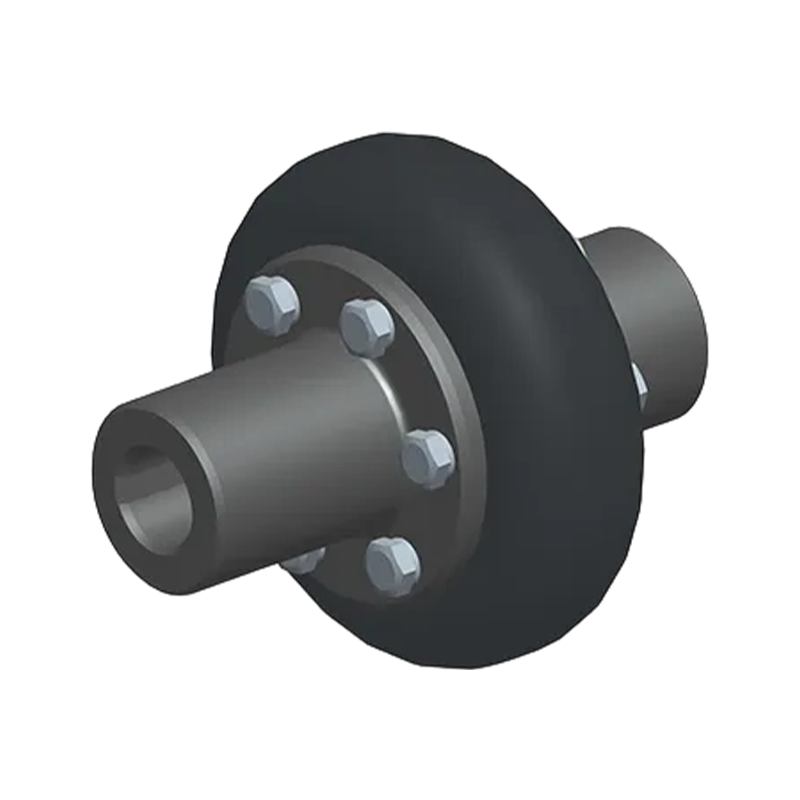
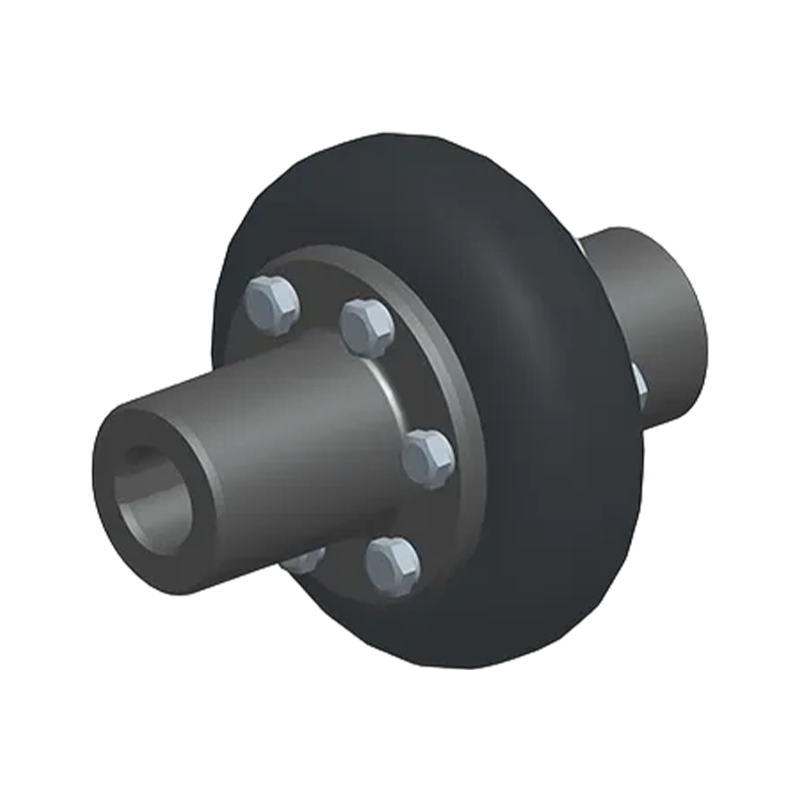
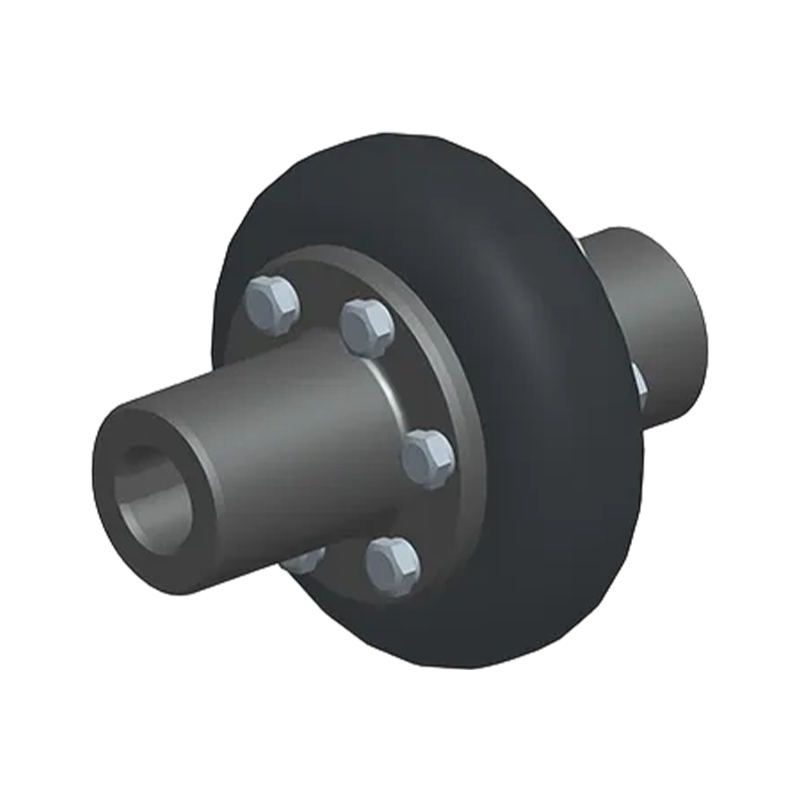
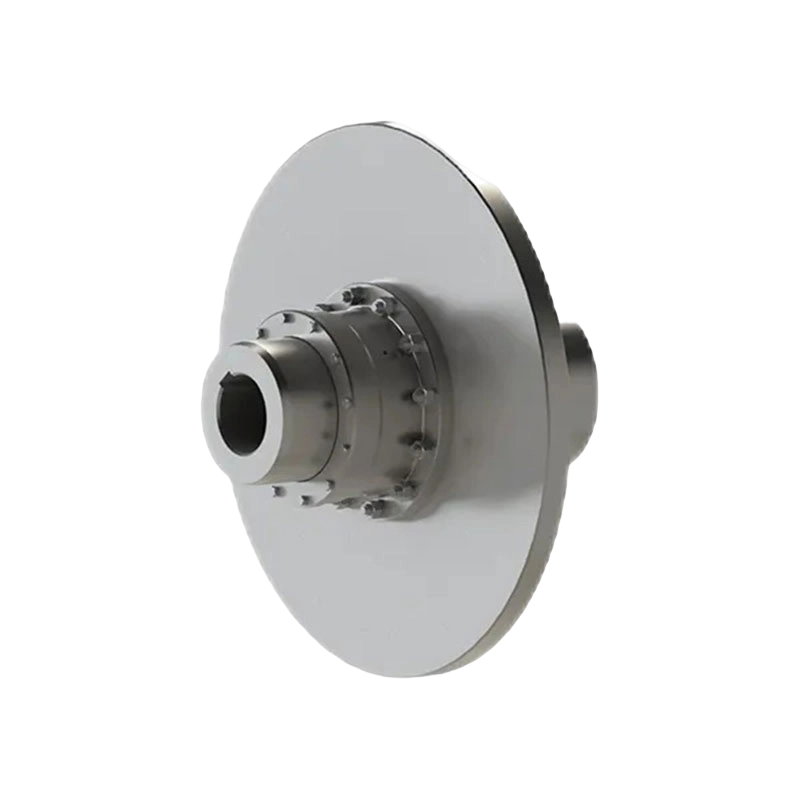
LCB type tire coupling(Q/YC 34010X-2018)
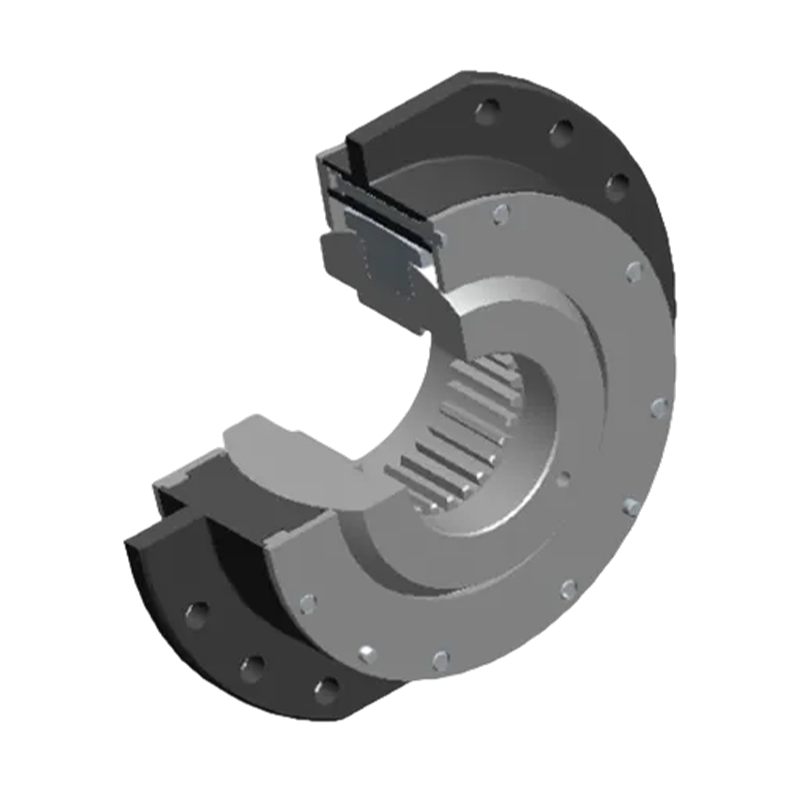
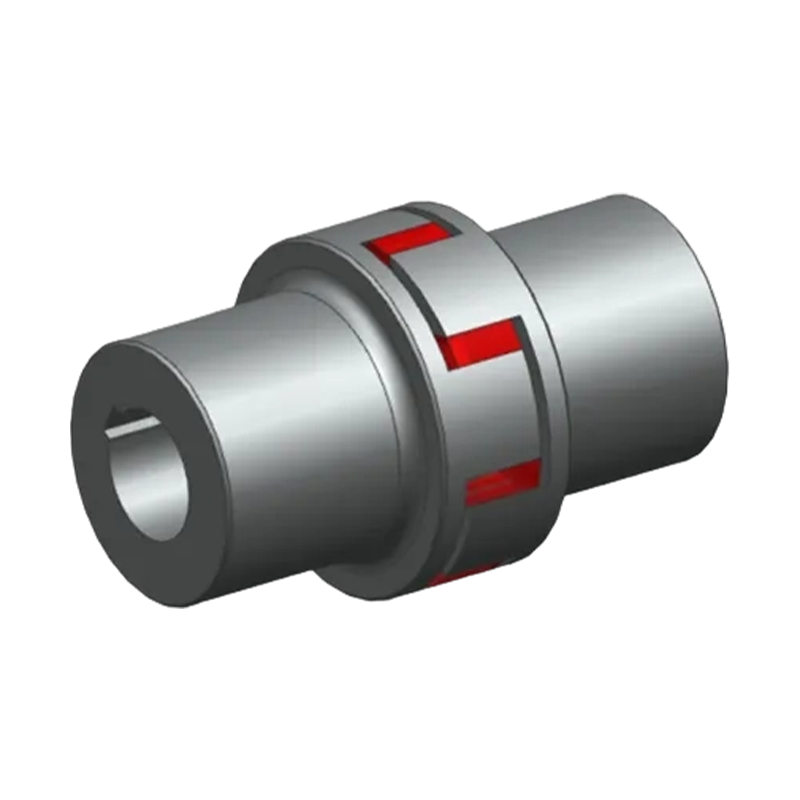
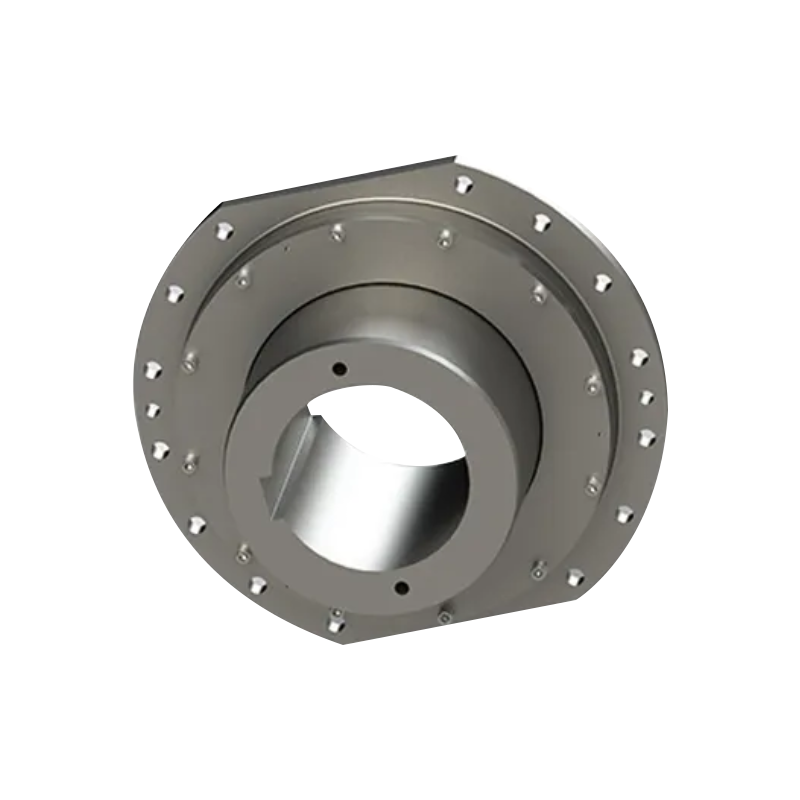
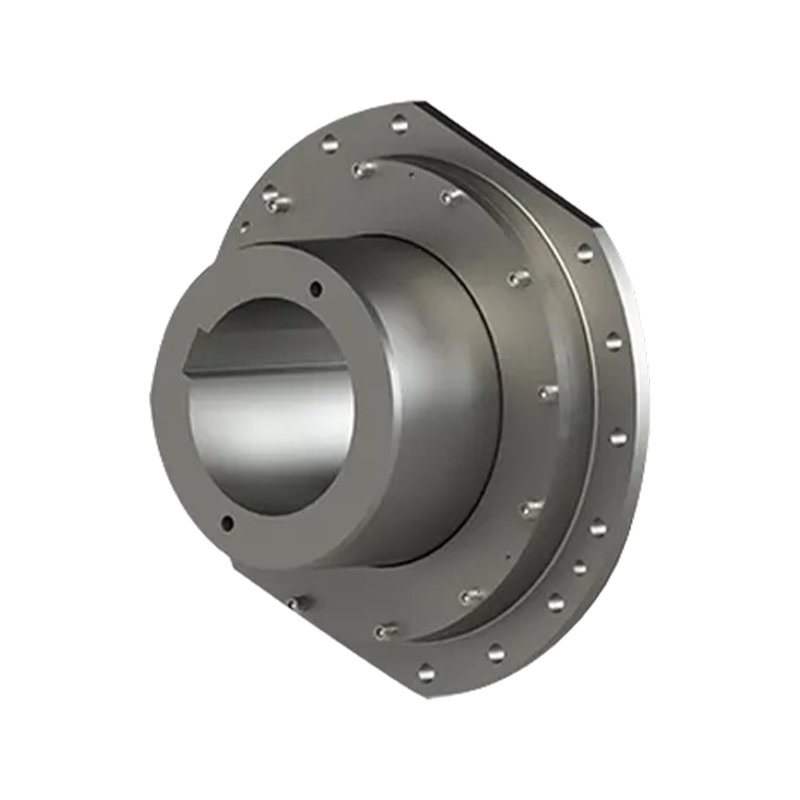
Compared to the frameless model, the LCB tire type coupling (Q/YC 34010X-2018) has the core advantage of using a built-in skeleton reinforcement structure, which greatly enhances the tensile strength and load-bearing capacity of the tire body. This structural design endows the product with superior resistance to centrifugal force, enabling it to maintain geometric stability at higher allowable speeds and effectively reducing the risk of heating and aging during high-speed operation. This coupling has excellent multi-directional displacement compensation capability, which can easily cope with radial, axial, and angular offsets between shaft systems. At the same time, with its strong damping characteristics, it can absorb severe impact loads and suppress system resonance. With its stable structure, complete lubrication free and easy maintenance, LCB type couplings have become the ideal power transmission core for high load, long-term continuous operation conditions such as metallurgy, petroleum and heavy-duty pumping systems, providing extremely high reliability guarantee for the stable operation of key equipment.
- Product Parameters
- Send Message
TECHNICAL PARAMETERS
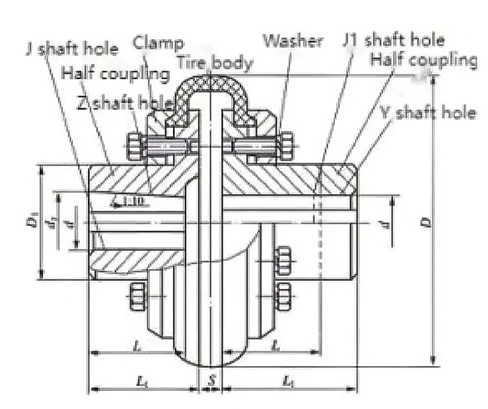
Basic parameters of LCB type tire coupling
| Type | Nominal torque /N·m | Allowable speed [n]/r·min⁻¹ | Shaft hole diameter d₁,d₂ | Shaft hole length L | D | D₁ | H | Moment of inertia /kg·m² | Mass m/kg | |
| Y L | J₁、Z | |||||||||
| L | ||||||||||
| LCB1 | 10 | 5000 | 6,7 | 16 | — | 63 | 20 | 26 | 0.0003 | 0.4 |
| 8,9 | 20 | — | ||||||||
| 10,11 | 25 | — | ||||||||
| LCB2 | 50 | 10,11 | 25 | — | 100 | 36 | 32 | 0.0035 | 1.5 | |
| 12,14 | 32 | 27 | ||||||||
| 16,18,19 | 42 | 30 | ||||||||
| LCB3 | 100 | 4500 | 16,18,19 | 120 | 44 | 39 | 0.01 | 2.2 | ||
| 20,22,24 | 52 | 38 | ||||||||
| LCB4 | 160 | 4200 | 22,24 | 52 | 38 | 140 | 50 | 45 | 0.021 | 3.1 |
| 25,28 | 62 | 44 | ||||||||
| 30,32,35 | 82 | 60 | ||||||||
| LCB5 | 224 | 4000 | 25,28 | 62 | 44 | 160 | 60 | 51 | 0.028 | 5 |
| 30,32,35,38 | 82 | 60 | ||||||||
| LCB6 | 315 | 3600 | 30,32,35,38 | 185 | 70 | 58 | 0.07 | 8.1 | ||
| 40,42,45 | 112 | 84 | ||||||||
| LCB7 | 500 | 3200 | 35,38 | 82 | 60 | 220 | 85 | 68 | 0.15 | 13 |
| 40,42,45,48,50,55,56 | 112 | 84 | ||||||||
| LCB8 | 800 | 2600 | 40,42,45,48,50,55,56 | 112 | 84 | 265 | 100 | 82 | 0.3 | 22 |
| 60,63,65 | 142 | 107 | ||||||||
Note: Two half couplings cannot use Z1shaft holes at the same time.
Zhongye Heavy Industry Technology (Zhenjiang) Co., Ltd.
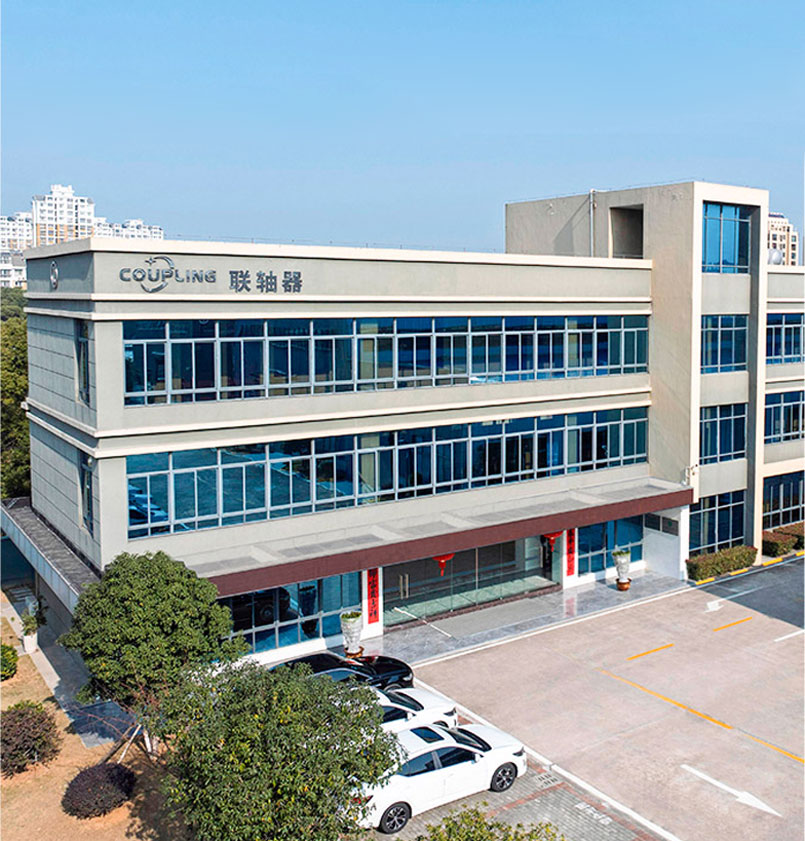
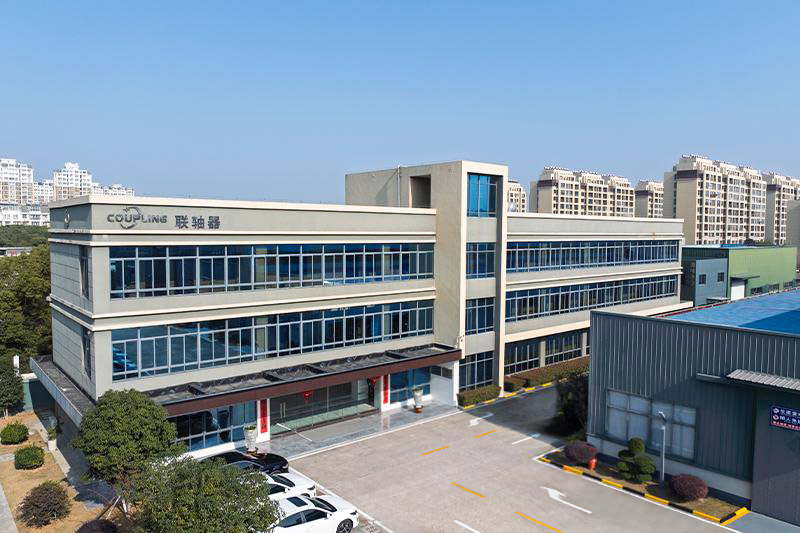
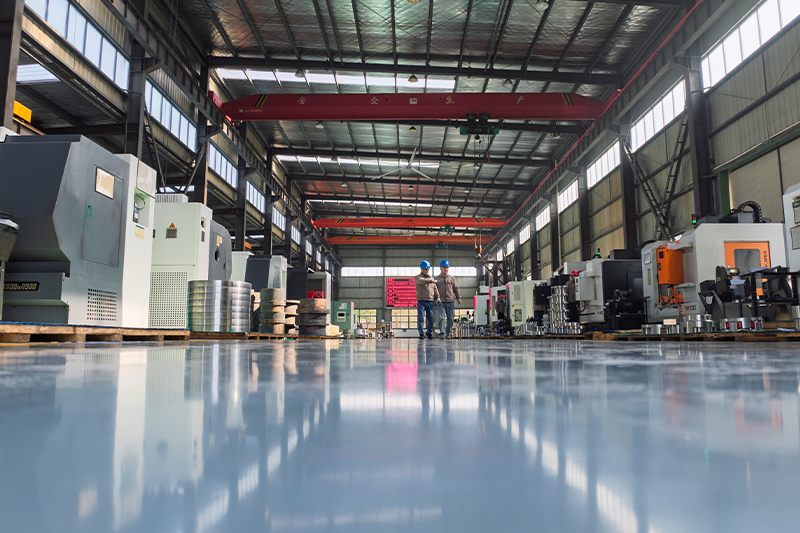
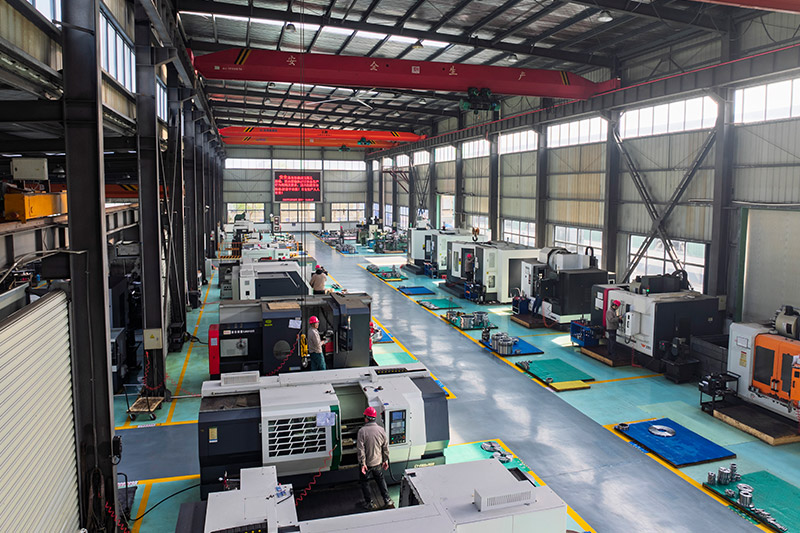
Zhongye Heavy Industry Technology (Zhenjiang) Co., Ltd. is located in a well-known ancient city, Zhenjiang. We are an enterprise integrating R & D, manufacturing, and sales. As a famous China LCB type tire coupling(Q/YC 34010X-2018) Manufacturers and LCB type tire coupling(Q/YC 34010X-2018) Suppliers, our products are widely used in metallurgical equipment, mining equipment, water equipment, lifting equipment, paper equipment, port equipment and other industries.
Our main products are toothed coupling, elastic sleeve column pin coupling, elastic column pin coupling, gear coupling with elastic pin, a universal coupling, tire coupling, jaw coupling, star coupling, diaphragm coupling, drum coupling and grid coupling, the Oldham coupling, flange coupling, clip shell coupling, GL type roller chain coupling and a safety coupling, and so on. Our company also undertakes a variety of non-standard coupling designs and manufacturing.
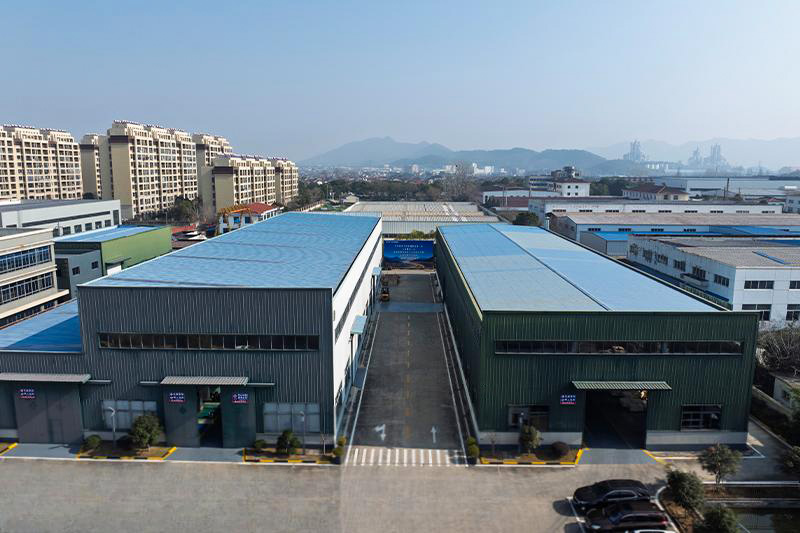
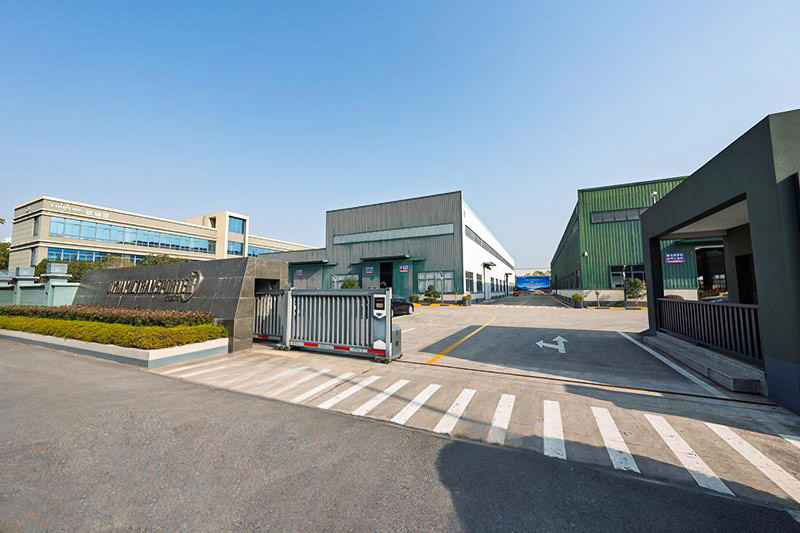
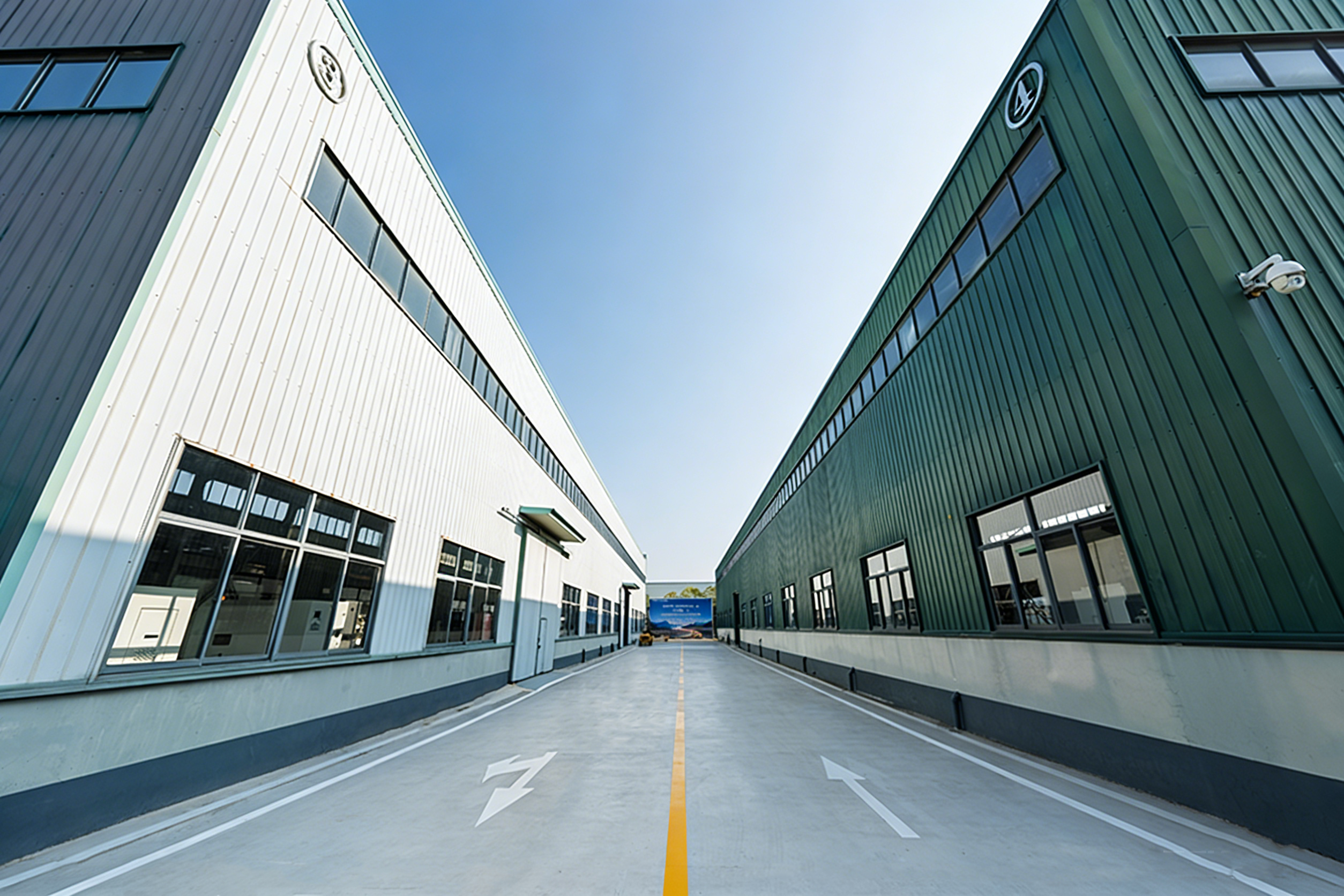
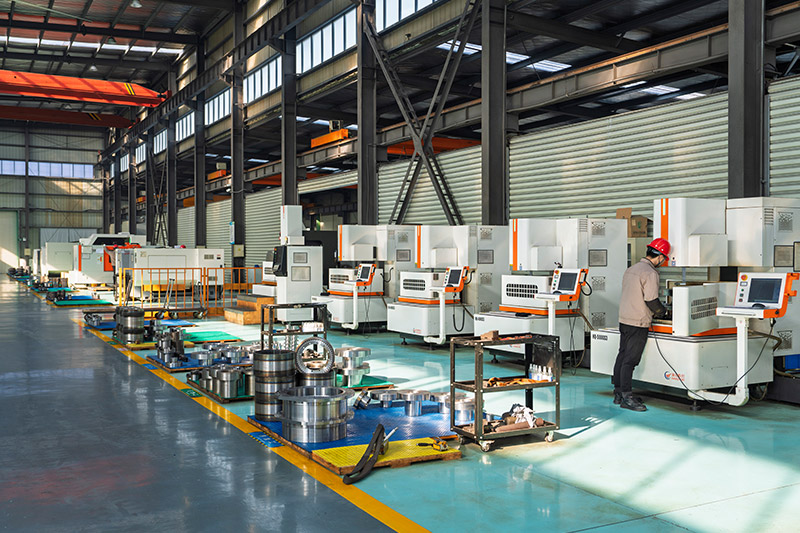
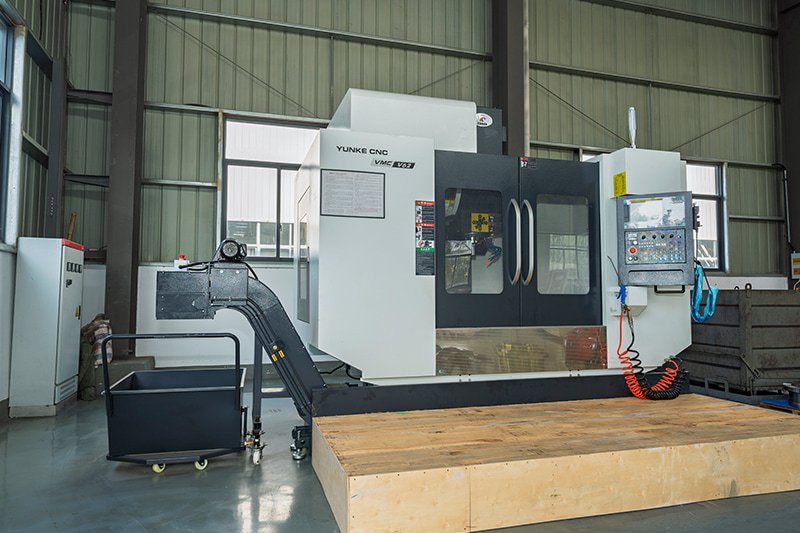
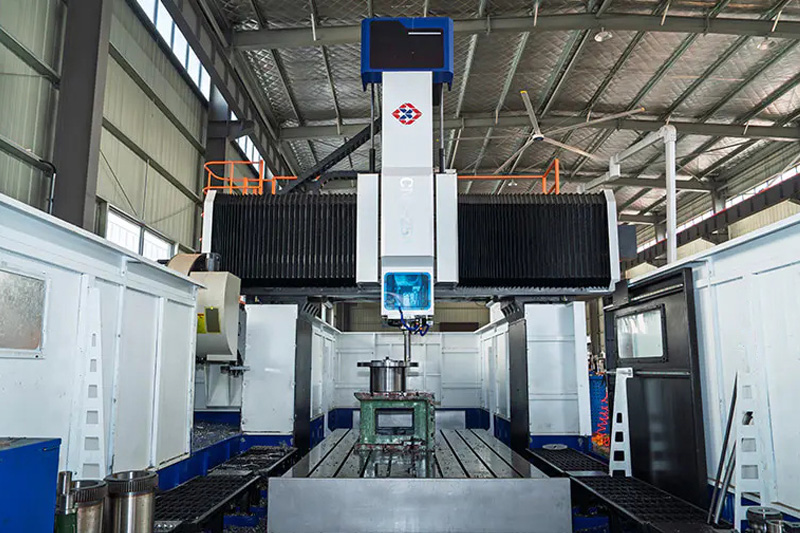
New workshop covers an area of about 16463.52m². heavy workshop 5,500 M2, Precision workshop 4,600m², office building and the gymnasium 2000 M2, Dinning hall 500m², Warehouse 1000m², Roads, greening, parking areas 3563 M2.
View more
Our main products are toothed coupling, elastic sleeve column pin coupling, elastic column pin coupling, gear coupling with elastic pin, a universal coupling, tire coupling, jaw coupling, star coupling, diaphragm coupling, drum coupling and grid coupling, the Oldham coupling, flange coupling, clip shell coupling, GL type roller chain coupling and a safety coupling, and so on. Our company also undertakes a variety of non-standard coupling designs and manufacturing.
New workshop covers an area of about 16463.52m². heavy workshop 5,500 M2, Precision workshop 4,600m², office building and the gymnasium 2000 M2, Dinning hall 500m², Warehouse 1000m², Roads, greening, parking areas 3563 M2.
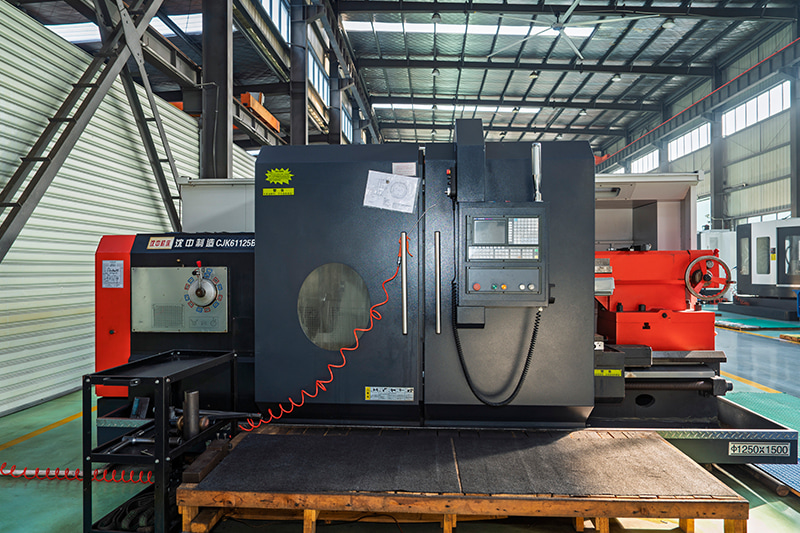
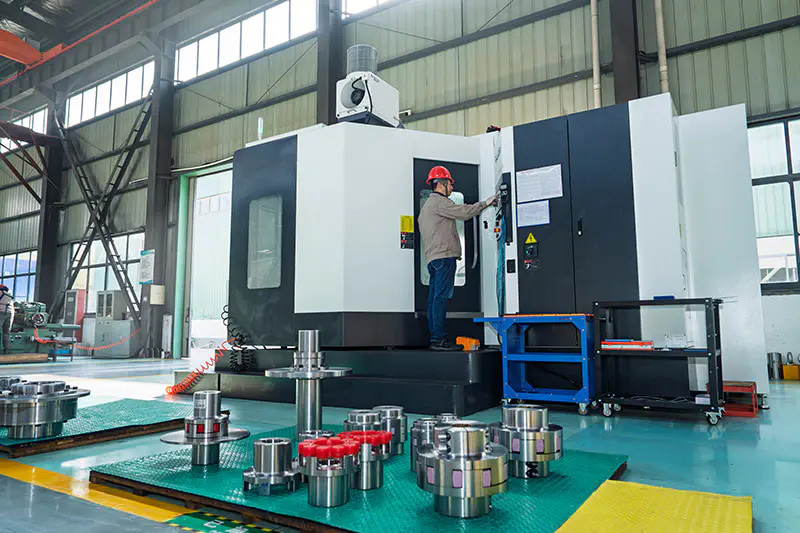
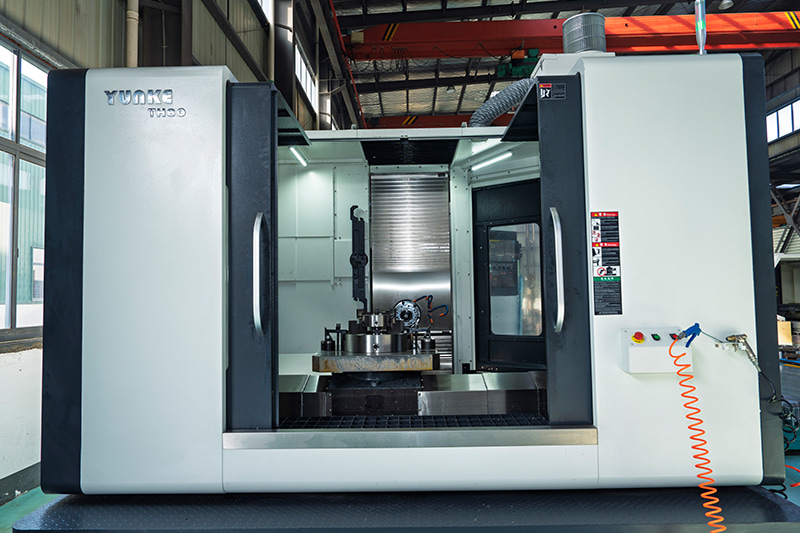
Plant Equipment
FACTORY TOUR
Get In Touch
Follow us
- Quick Links
- About
- Products
- Our Service
- News & Events
- Contact
- Products Series
- Flexible Couplings with Non-Elastic Elements
- Flexible Couplings with Metal Elastic Elements
- Flexible Couplings with Non-Metallic Elastic Elements
- Safety Coupling
- Rigid Coupling
- Contact Us
- Tel: +86 511 8572 3800 +86 511 8572 3900
- Mobile: +86 15106109009
- Email: sales@couplingzy.com
- Add:No.1 Zhongye Yingbin Avenue, Gaozi Street, Dantu Economic Development Zone, Zhenjiang City, Jiangsu Province, China.


