:+86 15106109009
:sales@couplingzy.com


 English
  русский
  Español
  عربى
عربى  Português
  Deutsch
  Türk
Türk  Indonesia

Press Release: The Manufacturing Process of Couplings
In the world of mechanical engineering, couplings play a pivotal role in connecting shafts and transmitting power between them. The manufacturing process of couplings is a sophisticated blend of precision engineering and advanced technology.
The process begins with the selection of high-quality materials, typically steel or aluminum, to ensure durability and performance. Following material procurement, the raw components undergo machining processes, including turning, milling, and grinding, to achieve the desired dimensions and tolerances. Advanced CNC machines are employed to ensure precision and consistency.
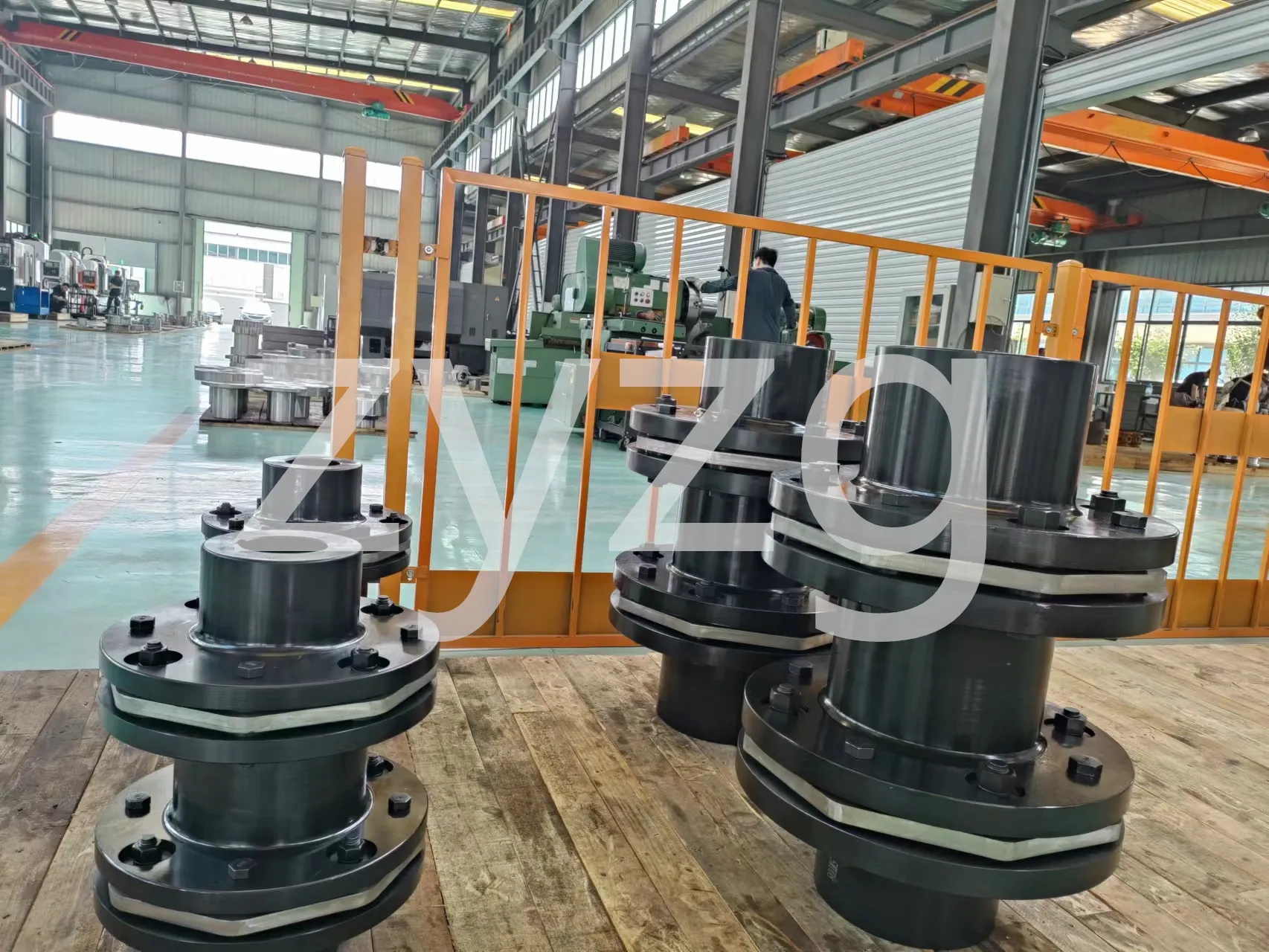
Once machined, the components are subjected to rigorous quality control tests to verify their structural integrity. Heat treatment processes, such as hardening and tempering, enhance the material properties, ensuring longevity and resistance to wear.
After quality assurance, the couplings are assembled, often incorporating additional features like elastomeric elements or locking mechanisms, depending on the application requirements. Finally, a surface treatment, such as coating or plating, is applied to enhance corrosion resistance.
The entire manufacturing process is designed to meet the ultimate standards of reliability and efficiency, providing customers with couplings that perform optimally in demanding environments.
- Quick Links
- About
- Products
- Our Service
- News & Events
- Contact
- Products Series
- Flexible Couplings with Non-Elastic Elements
- Flexible Couplings with Metal Elastic Elements
- Flexible Couplings with Non-Metallic Elastic Elements
- Safety Coupling
- Rigid Coupling
- Contact Us
- Tel : +86 511 8572 3800 +86 511 8572 3900
- Mobile : +86 15106109009
- Email : sales@couplingzy.com
- Add:No.1 Zhongye Yingbin Avenue, Gaozi Street, Dantu Economic Development Zone, Zhenjiang City, Jiangsu Province, China.


