:+86 15106109009
:sales@couplingzy.com


 English
  русский
  Español
  عربى
عربى  Português
  Deutsch
  Türk
Türk  Indonesia

Key Applications of Coupling Technology in the Automotive Industry
As the automotive industry continues to evolve, precision mechanical components play an increasingly important role in vehicle manufacturing. Couplings, as a core component of the power transmission system, are crucial in ensuring smooth driving and efficient power transfer in modern vehicles.
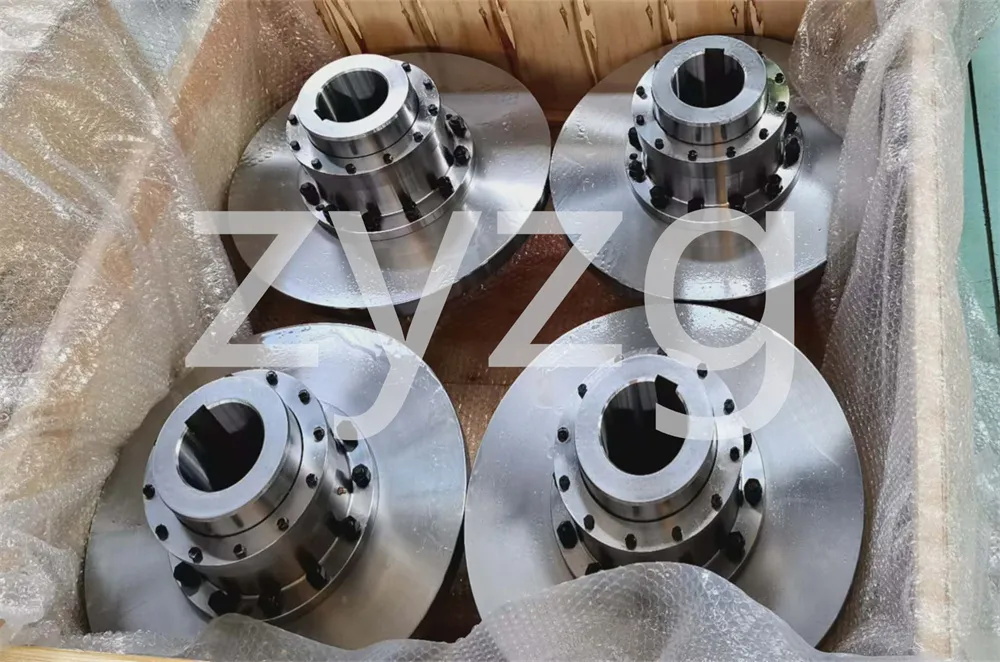
Coupling Applications in Automotive Powertrain Systems
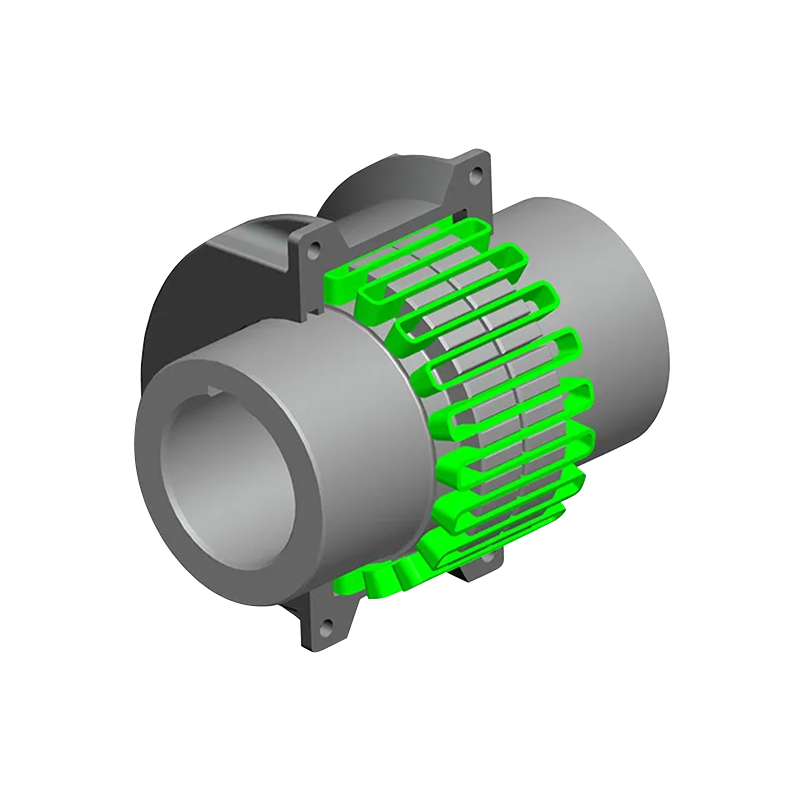
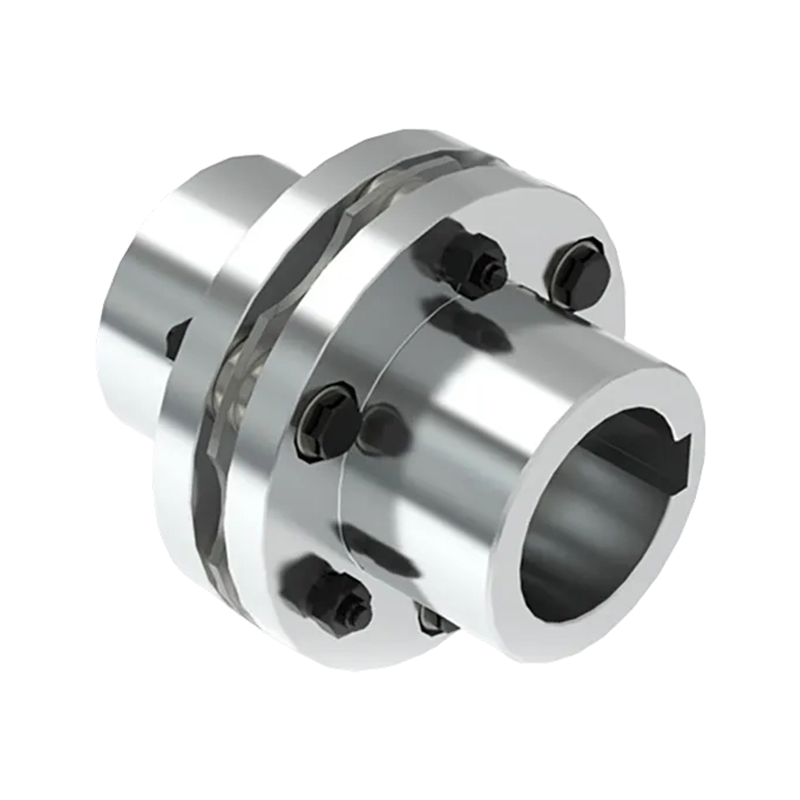
In the powertrain system of a vehicle, couplings are primarily used to connect the engine to the transmission, ensuring seamless power transfer from the engine to the wheels. Modern vehicles need to withstand various operating conditions such as acceleration, deceleration, turning, and road vibrations. Therefore, the flexibility and durability of couplings are essential. Elastic couplings are particularly suited for automotive applications as they can effectively absorb vibrations, reduce noise, and improve the stability of the entire powertrain system.
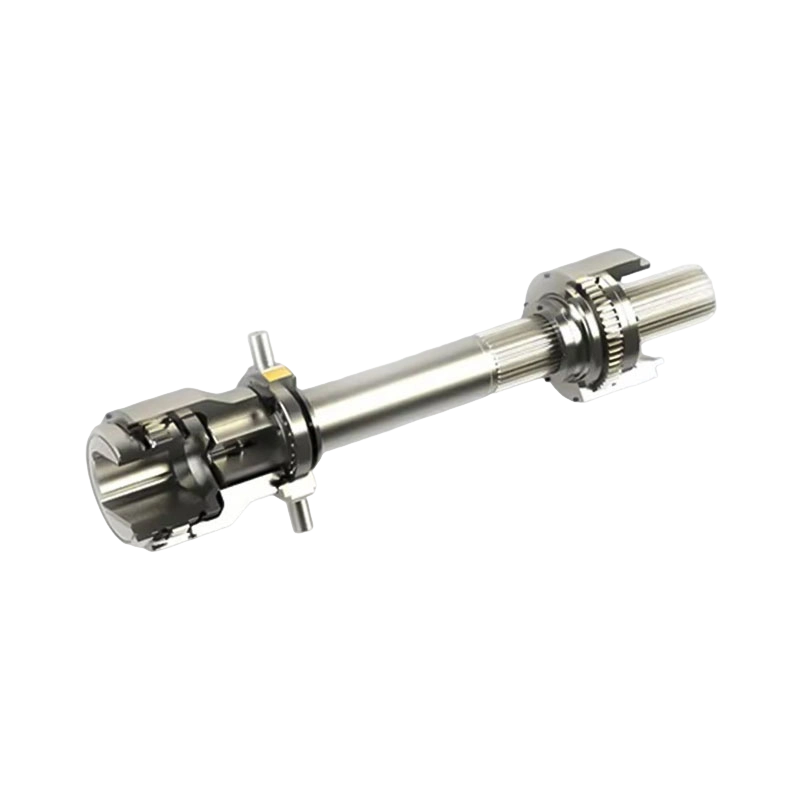
Moreover, couplings play a significant role in electric vehicles (EVs). In EVs, the connection between the electric motor and the drive shaft requires precise couplings to ensure efficient power transmission and to handle the shocks generated by the motor's instantaneous acceleration. In this regard, coupling technology with high torque transmission capabilities becomes increasingly important.
Technological Advancements Driving Performance Enhancements
With advancements in material science and manufacturing processes, automotive couplings are rapidly evolving. Modern couplings are now made with lightweight alloys and composite materials, which not only enhance durability but also significantly reduce weight—aligning with the automotive industry's "lightweighting" trend. Furthermore, the development of smart couplings is becoming a focal point, with integrated sensors and data feedback mechanisms that allow real-time monitoring of coupling performance, ensuring the operational safety of the transmission system.
- Quick Links
- About
- Products
- Our Service
- News & Events
- Contact
- Products Series
- Flexible Couplings with Non-Elastic Elements
- Flexible Couplings with Metal Elastic Elements
- Flexible Couplings with Non-Metallic Elastic Elements
- Safety Coupling
- Rigid Coupling
- Contact Us
- Tel : +86 511 8572 3800 +86 511 8572 3900
- Mobile : +86 15106109009
- Email : sales@couplingzy.com
- Add:No.1 Zhongye Yingbin Avenue, Gaozi Street, Dantu Economic Development Zone, Zhenjiang City, Jiangsu Province, China.


