:+86 15106109009
:sales@couplingzy.com


 English
  русский
  Español
  عربى
عربى  Português
  Deutsch
  Türk
Türk  Indonesia

Innovations in Coupling Production Boost Efficiency and Quality
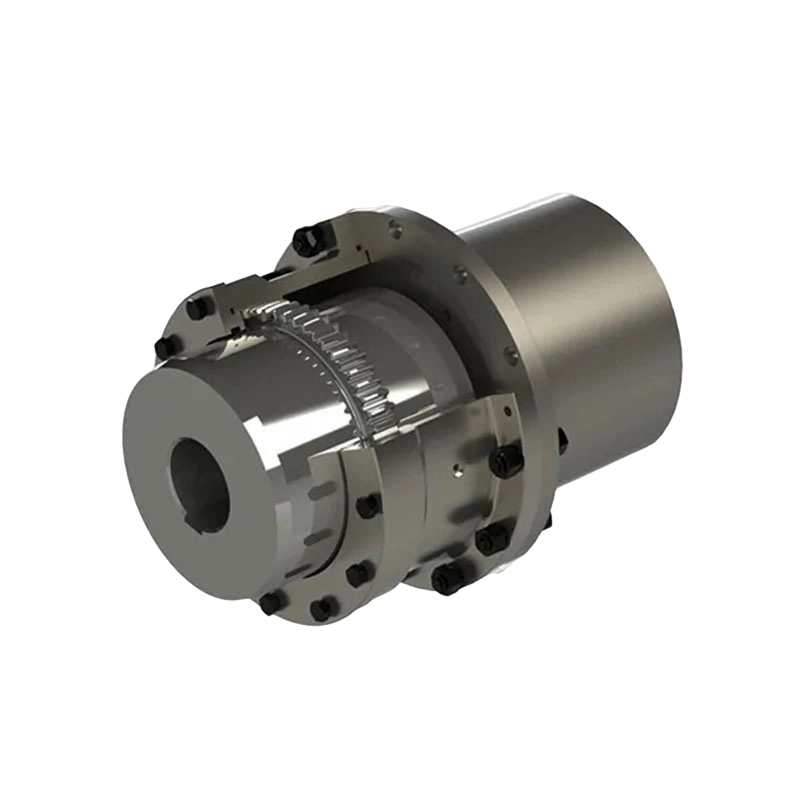
In recent developments, the coupling manufacturing industry is experiencing significant changes due to advancements in industrial automation and precision manufacturing. As a crucial component in mechanical transmission systems, couplings play a vital role in transmitting torque, compensating for axial and radial misalignment, and ensuring smooth operation. Optimizing the production process of couplings has become a key focus in the industry.
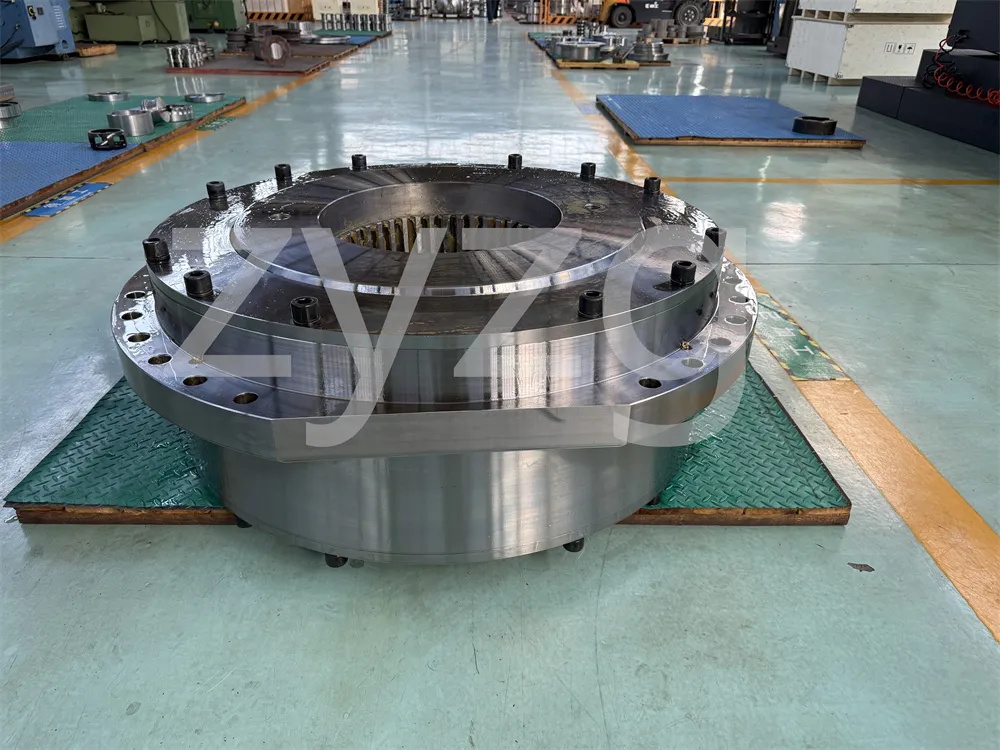
Advanced Material Selection and Manufacturing Techniques
The selection of materials is critical in the production of couplings. Manufacturers are increasingly using high-strength steel, stainless steel, and aluminum alloys to ensure superior corrosion resistance, wear resistance, and high-temperature performance under various working conditions. Additionally, the integration of 3D printing technology and CNC machining has significantly improved production precision and efficiency. With the use of Computer-Aided Design (CAD), manufacturers can quickly produce high-precision custom couplings tailored to meet the specific needs of different industries.
Smart Production Lines Enhance Capacity
To meet the growing demand for couplings, many manufacturers are adopting smart production lines. Automation reduces human error and greatly improves production efficiency. By integrating the Industrial Internet of Things (IIoT) and big data analytics, production managers can monitor every stage of the manufacturing process in real-time, from raw material storage and machining to assembly and shipment, ensuring that every detail meets strict quality standards.
Rigorous Quality Control Ensures Reliability
Quality control is an essential step in ensuring the reliability of couplings during the final stages of production. Modern production lines are equipped with advanced non-destructive testing equipment that uses ultrasonic and X-ray technologies to comprehensively inspect the products, ensuring that each coupling maintains stable performance during installation and use. Additionally, regular fatigue and load tests verify the durability of couplings over extended periods, enhancing overall product reliability.
Sustainability and Eco-Friendly Production
Sustainability and eco-friendly practices are becoming increasingly important in coupling manufacturing. Manufacturers are using more recyclable materials, reducing waste, and implementing energy-efficient systems to lower energy consumption during production. Moreover, emissions are strictly controlled to meet international environmental standards, making the production process more sustainable.
Conclusion
The coupling industry is embracing innovation, from materials and precision techniques to automation and sustainability. These advancements are driving improvements in both product quality and production efficiency, ensuring that couplings continue to meet the evolving needs of various industries.
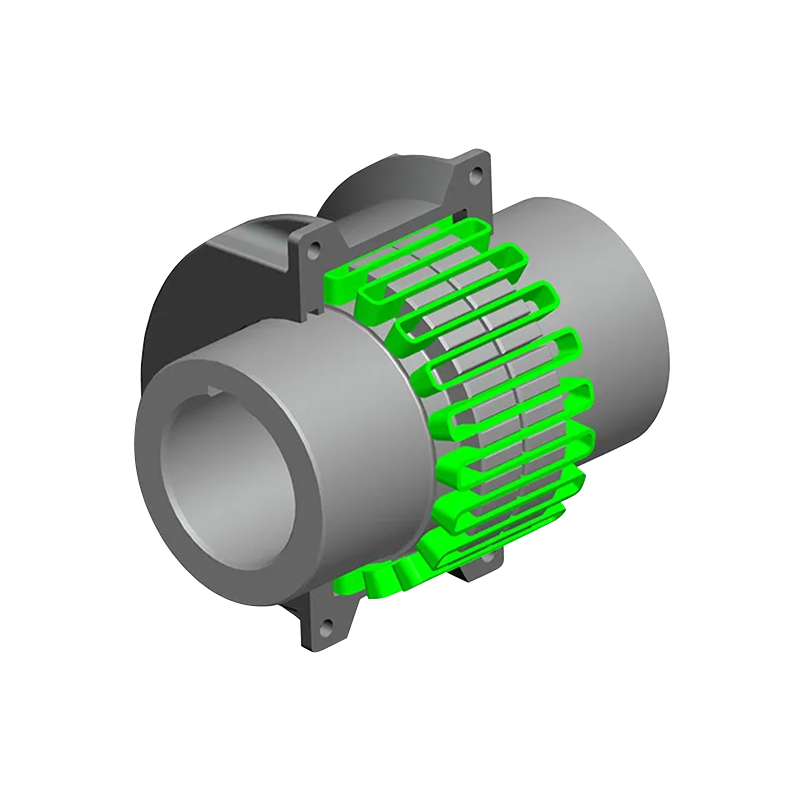
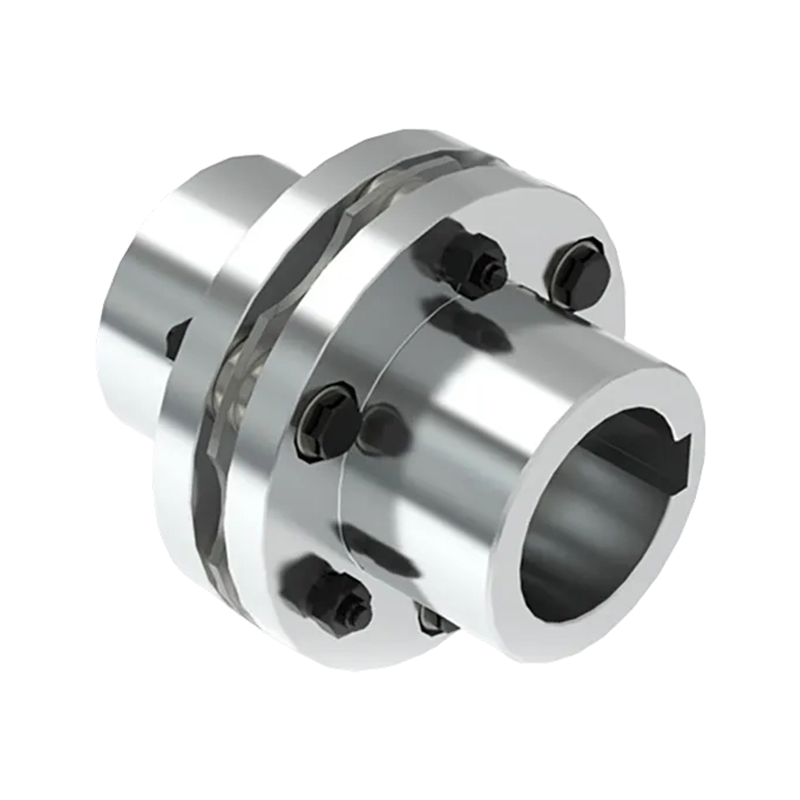
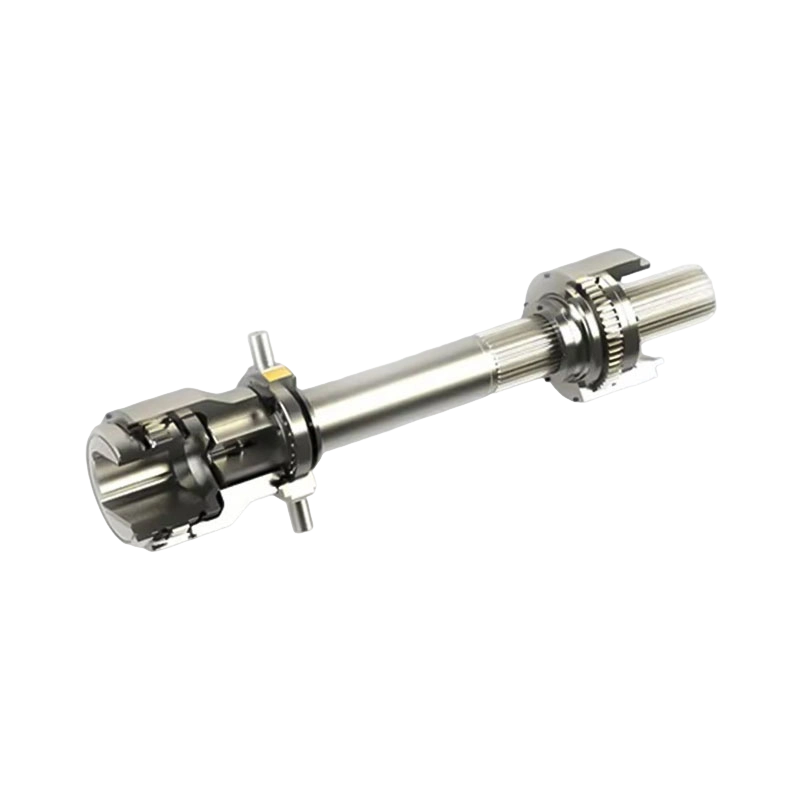
- Quick Links
- About
- Products
- Our Service
- News & Events
- Contact
- Products Series
- Flexible Couplings with Non-Elastic Elements
- Flexible Couplings with Metal Elastic Elements
- Flexible Couplings with Non-Metallic Elastic Elements
- Safety Coupling
- Rigid Coupling
- Contact Us
- Tel : +86 511 8572 3800 +86 511 8572 3900
- Mobile : +86 15106109009
- Email : sales@couplingzy.com
- Add:No.1 Zhongye Yingbin Avenue, Gaozi Street, Dantu Economic Development Zone, Zhenjiang City, Jiangsu Province, China.


