:+86 15106109009
:sales@couplingzy.com


 English
  русский
  Español
  عربى
عربى  Português
  Deutsch
  Türk
Türk  Indonesia

Limitations on the use of elastic couplings and the disassembly methods
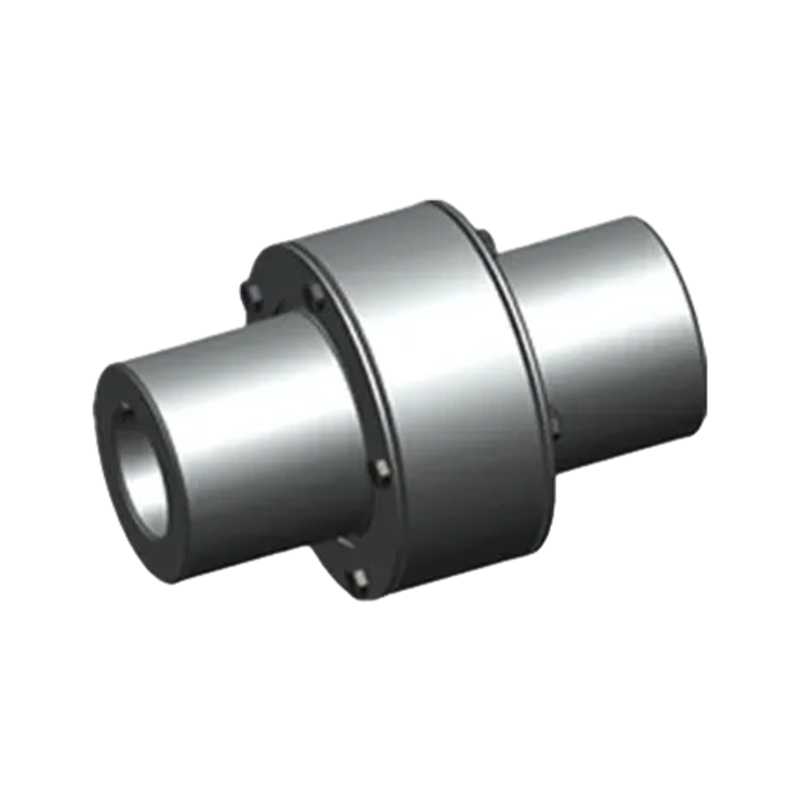
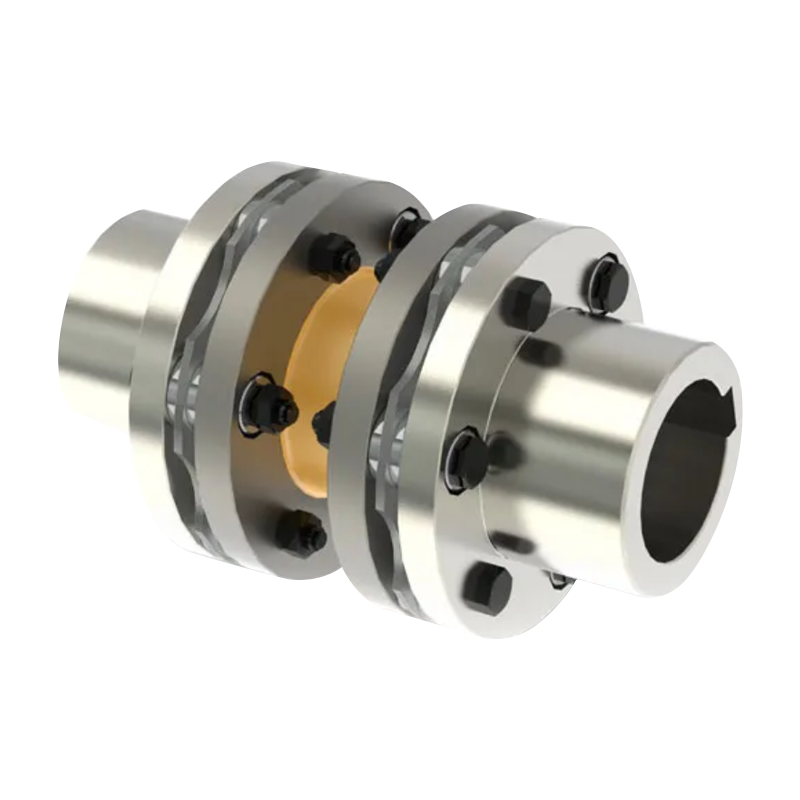
The elastic body of the elastic coupling is restricted by the convex claw-shaped blocks, which can avoid internal deformation caused by impact and external deformation caused by centrifugal force. The large concave surface of the convex claws results in very low surface pressure on the involute teeth, so even if the teeth are overloaded, they will not wear or deform. The elastic coupling uses engineering plastics as the elastic element, which has the functions of buffering, vibration reduction, wear resistance, and convenient disassembly. During the operation of the coupling joint, the force is transmitted through the pin and rubber ring, thus enabling it to have good vibration reduction and vibration absorption effects, and allowing for the use of the same coaxiality.
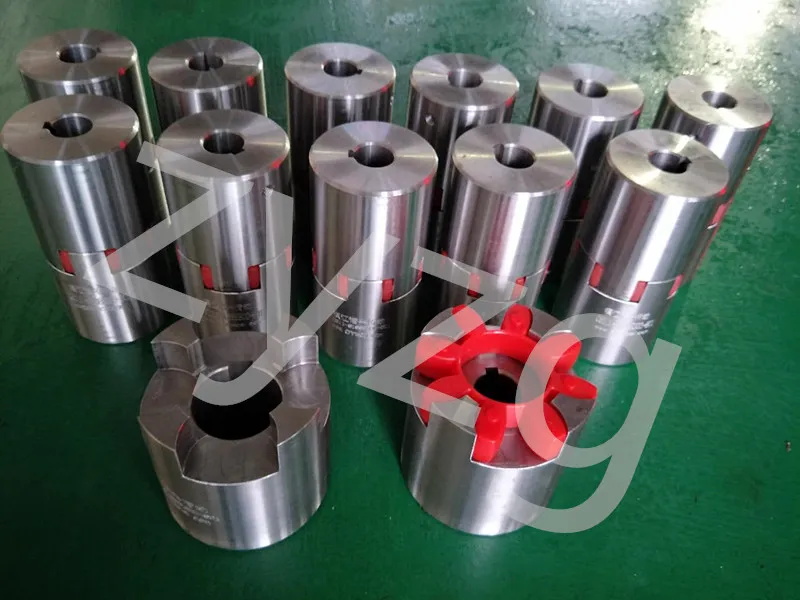
During assembly, the coaxiality between the two shafts is controlled within 0.3mm, which can easily cause severe wear of the rubber ring, shorten its service life, and cause vibration, losing its original function. During the operation, the elastic coupling joint transmits torque through the pin and rubber ring, thus having good vibration reduction and vibration absorption effects, and allowing for the use of the same coaxiality.
Before disassembly, the coaxiality between the two shafts is controlled within 0.3mm. This can easily cause severe wear of the rubber ring, shorten its service life, and cause vibration, losing its original function. Timely maintenance and replacement are required. Otherwise, it will cause severe vibration, affecting the normal operation of the locomotive. The rubber ring of the elastic coupling is prone to friction and burn damage due to the frequent rotational impact. Replacing the rubber ring of the elastic coupling joint requires disassembling the elastic pin, and disassembling the elastic pin requires special disassembly tools.
Before disassembly, using traditional disassembly tools is prone to falling off, and at least two people need to collaborate during the replacement of the coupling rubber ring during locomotive maintenance operations. The working space between the auxiliary transmission is relatively narrow, and sometimes a crowbar, hand hammer, etc. are needed. The labor intensity of the on-site workers is high, which to a certain extent affects the normal maintenance efficiency of the locomotive. Therefore, the labor intensity of the maintenance work needs to be improved, the maintenance efficiency should be increased, the labor intensity should be reduced, and the disassembly time of the elastic pin of the coupling joint should be shortened, and the rubber ring should be replaced in time, so that the normal operation of the auxiliary transmission part can be maintained.
During disassembly, the positive and reverse threads are used in combination to generate rotational friction problems. The rotational friction is transformed into relative static friction, which to a certain extent prevents the damage of the traditional tools caused by rotational friction. The initial phenomenon at the end of the nut can be disassembled. The important thing is that the coaxiality of the two shafts can be installed, which to a certain extent improves the service life of the rubber ring.

- Quick Links
- About
- Products
- Our Service
- News & Events
- Contact
- Products Series
- Flexible Couplings with Non-Elastic Elements
- Flexible Couplings with Metal Elastic Elements
- Flexible Couplings with Non-Metallic Elastic Elements
- Safety Coupling
- Rigid Coupling
- Contact Us
- Tel : +86 511 8572 3800 +86 511 8572 3900
- Mobile : +86 15106109009
- Email : sales@couplingzy.com
- Add:No.1 Zhongye Yingbin Avenue, Gaozi Street, Dantu Economic Development Zone, Zhenjiang City, Jiangsu Province, China.


