:+86 15106109009
:sales@couplingzy.com


 English
  русский
  Español
  عربى
عربى  Português
  Deutsch
  Türk
Türk  Indonesia

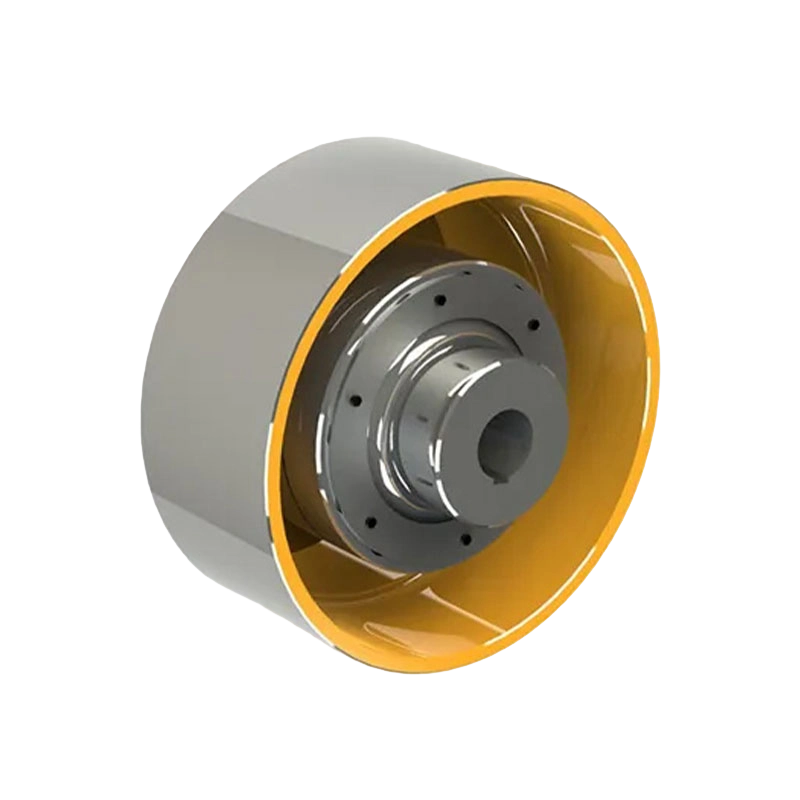
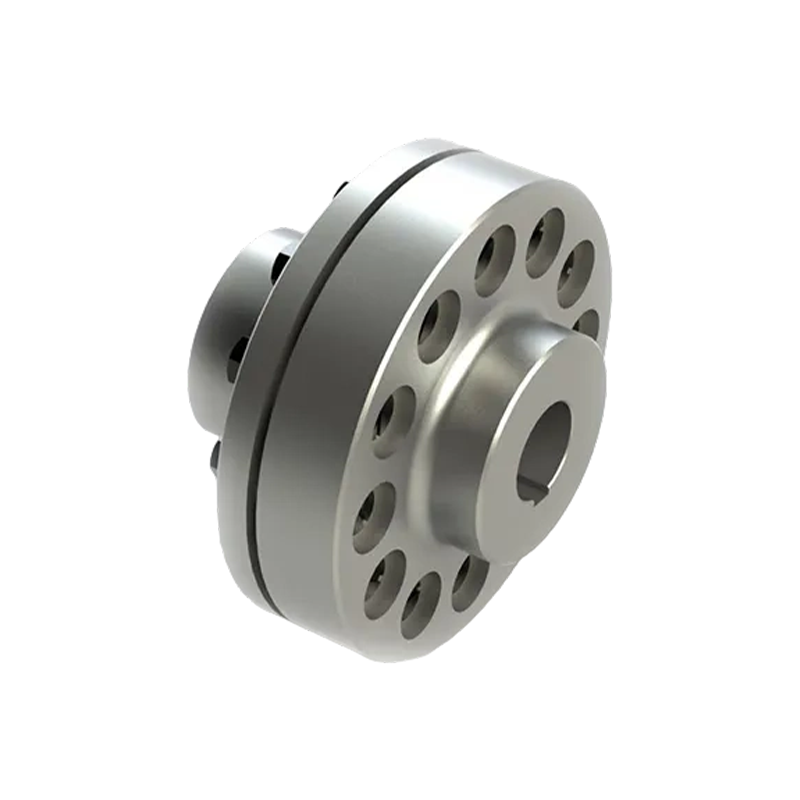
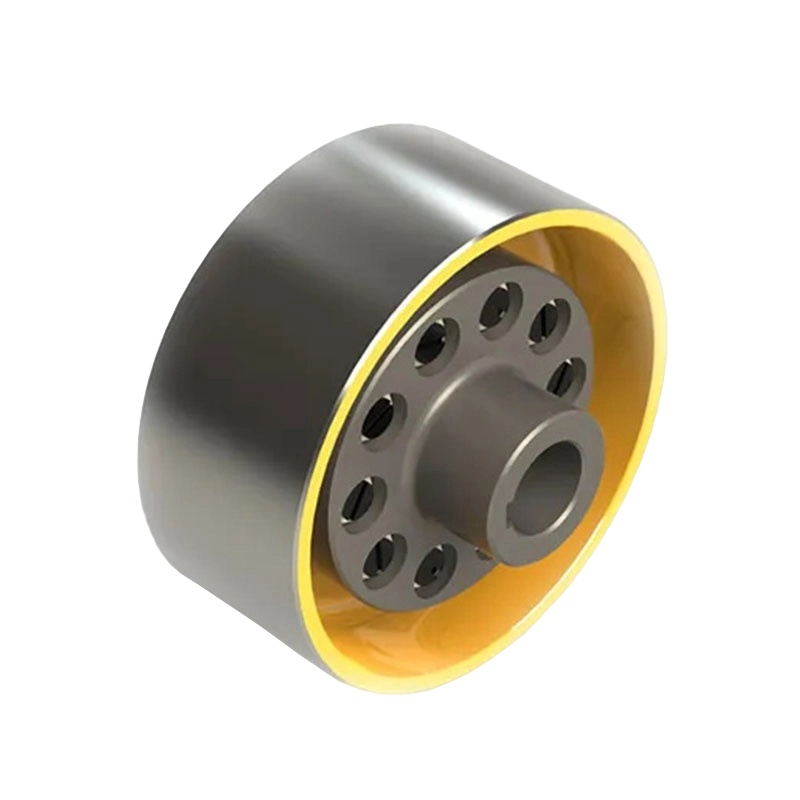
The advantages and features of the elastic pin coupling
The elastic pin coupling is a device that inserts a semi-metallic elastic material column pin into the flange holes of two couplings, thereby achieving half of the coupling connection. The elastic element material is generally nylon, which has the ability to slightly compensate for the offset of the two shafts. The elastic element works under shear force and has poor working reliability, and is only suitable for medium-speed transmission shaft systems with lower reliability requirements. It is not suitable for working conditions with higher reliability requirements. Now, let's learn about the advantages and features of the elastic pin coupling.
The elastic pin coupling is suitable for various coaxial transmission systems. It transmits torque using the cross-sectional shear strength of the nylon rods, with a nominal torque of 160 - 160,000 N.M, and a working temperature range of -20 - 80. The structure is simple, with buffering and vibration reduction capabilities and a certain ability to compensate for shaft offset. It is suitable for use in environments that do not suppress noise. The allowable correction amount is within an angle of 0.15 - 0.25 mm towards 0.5.
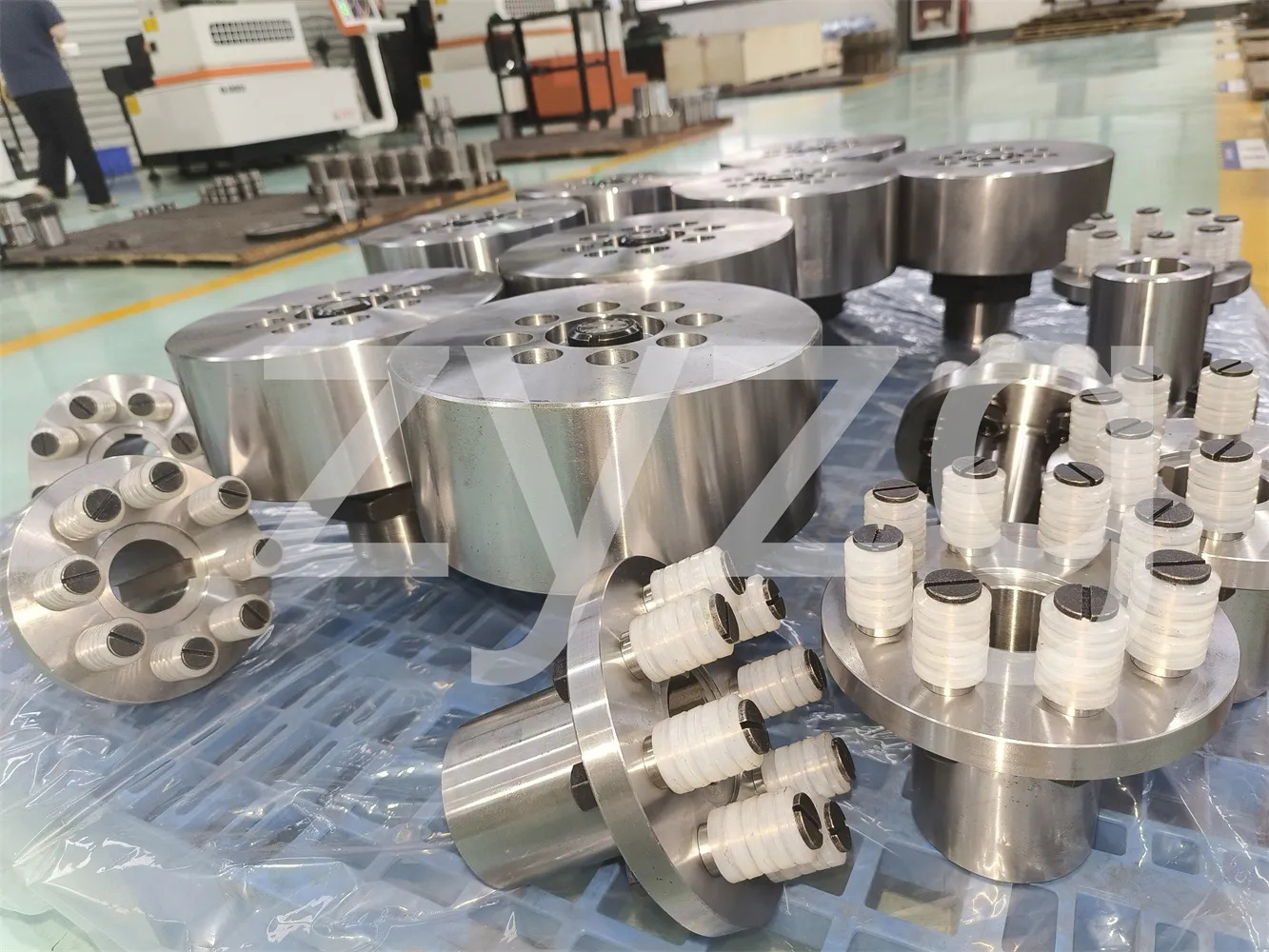
The elastic pin coupling has the following features:
1. Due to the large torque transmission, under the same torque, it often has a smaller rotational diameter than the tooth coupling, is small in volume, and light in weight. It can partially replace the tooth coupling.
2. Compared with the tooth coupling, it has a simpler structure, fewer components, is easy to manufacture, and does not require a gear processing machine.
3. Maintenance is convenient, the lifespan is long, and the nylon column pin can be replaced by removing the baffle.
4. The nylon column pin is a self-lubricating material, does not require lubrication, which not only saves lubricating oil but also purifies the working environment.
5. The vibration energy reduction is poor, and the noise is high.
Applicable scenarios for the elastic pin coupling: The elastic element of the elastic pin coupling generally uses nylon, which has the ability to slightly compensate for the offset of the two shafts. The elastic element works under shear force, and the working reliability is very poor. It is only suitable for medium-speed transmission shaft systems with lower reliability requirements and not suitable for working conditions with higher reliability requirements.
Advantages of the elastic pin coupling:
1. The elastic pin coupling transmits torque through the frictional force generated by the tightening force of the column pin group on the contact surface, compressing the rubber elastic sleeve. It is suitable for installation in systems with a rigid base, medium to high installation height, small impact loads, and low vibration reduction requirements for small and medium power shaft systems.
2. The working of the elastic sleeve is compressed and deformed. Due to the thin thickness, small volume, and limited elastic deformation of the elastic sleeve, the elastic pin coupling can compensate for shaft line displacement and elasticity, but the allowable compensation amount for shaft line displacement is small, and the elasticity is weak.
3. The structure of the elastic pin coupling is simple, easy to manufacture, does not require lubrication, does not need to be sintered with metal, it is convenient to replace the elastic sleeve, does not require moving the half coupling, and can compensate for the relative misalignment of the two shafts and the vibration and buffering performance.
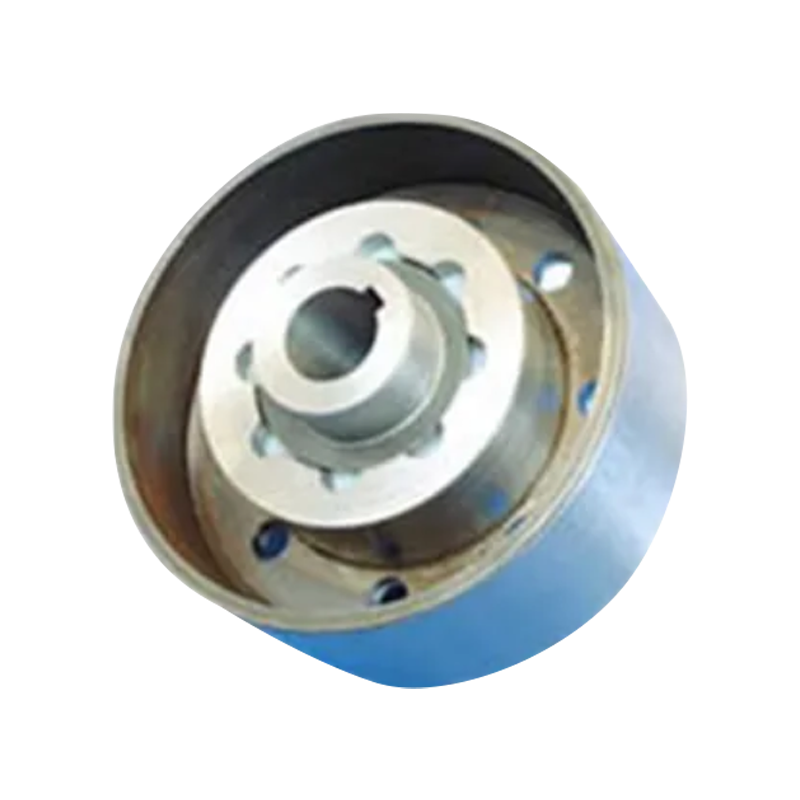
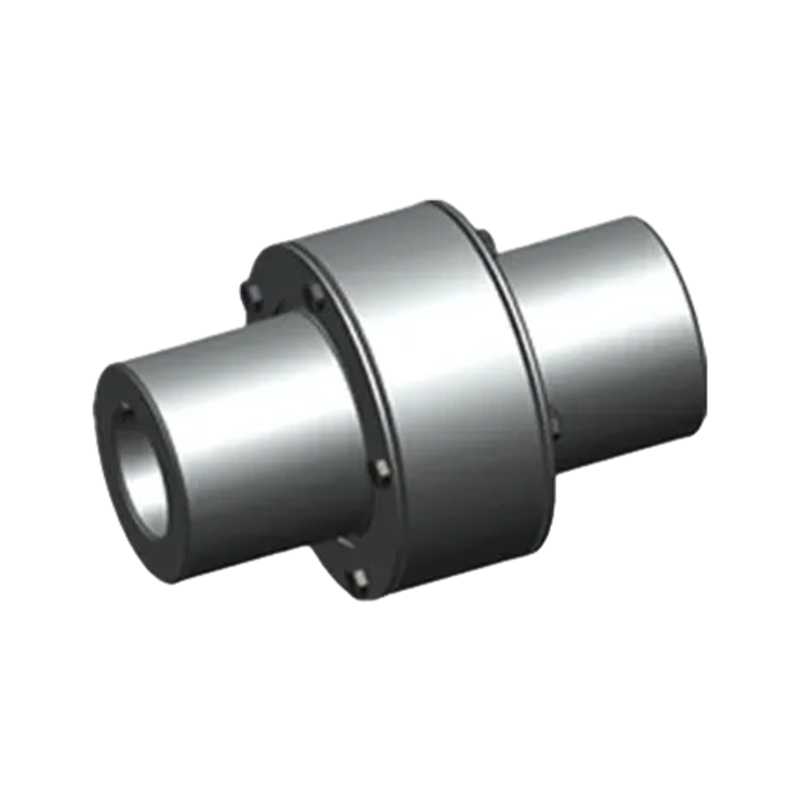
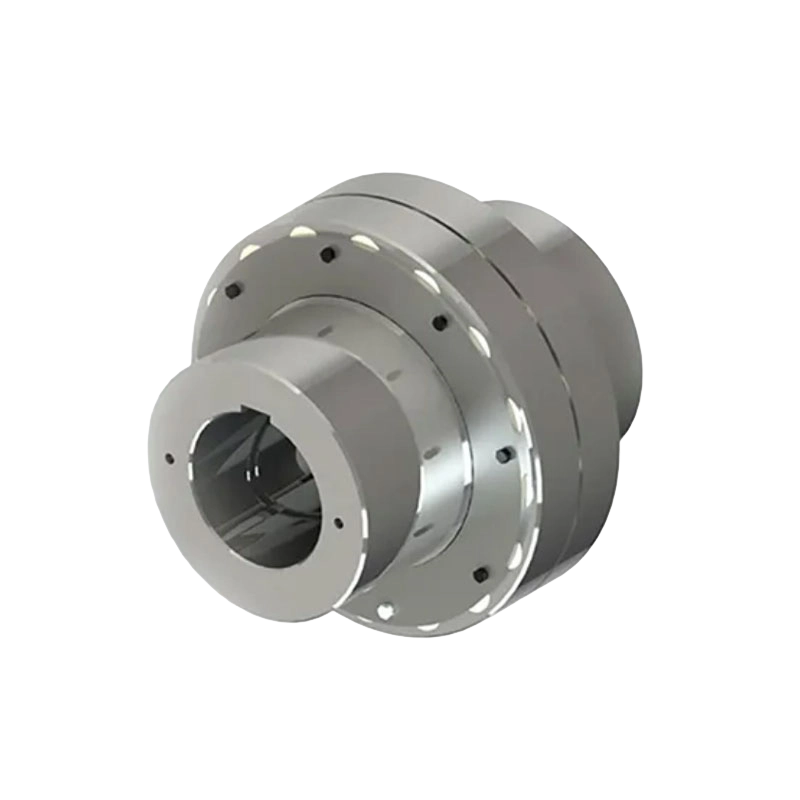
- Quick Links
- About
- Products
- Our Service
- News & Events
- Contact
- Products Series
- Flexible Couplings with Non-Elastic Elements
- Flexible Couplings with Metal Elastic Elements
- Flexible Couplings with Non-Metallic Elastic Elements
- Safety Coupling
- Rigid Coupling
- Contact Us
- Tel : +86 511 8572 3800 +86 511 8572 3900
- Mobile : +86 15106109009
- Email : sales@couplingzy.com
- Add:No.1 Zhongye Yingbin Avenue, Gaozi Street, Dantu Economic Development Zone, Zhenjiang City, Jiangsu Province, China.


