:+86 15106109009
:sales@couplingzy.com


 English
  русский
  Español
  عربى
عربى  Português
  Deutsch
  Türk
Türk  Indonesia

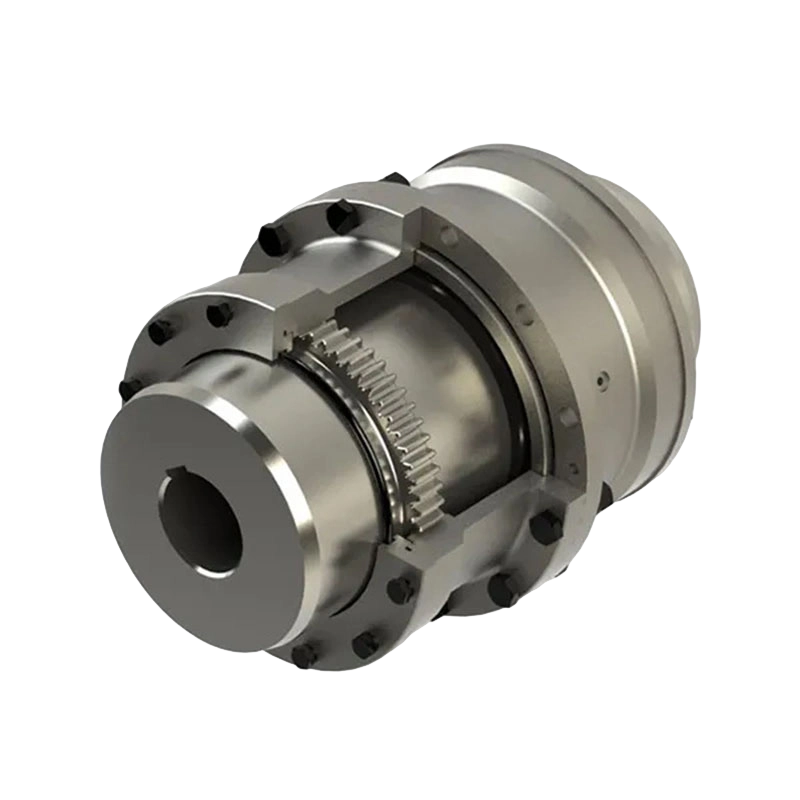
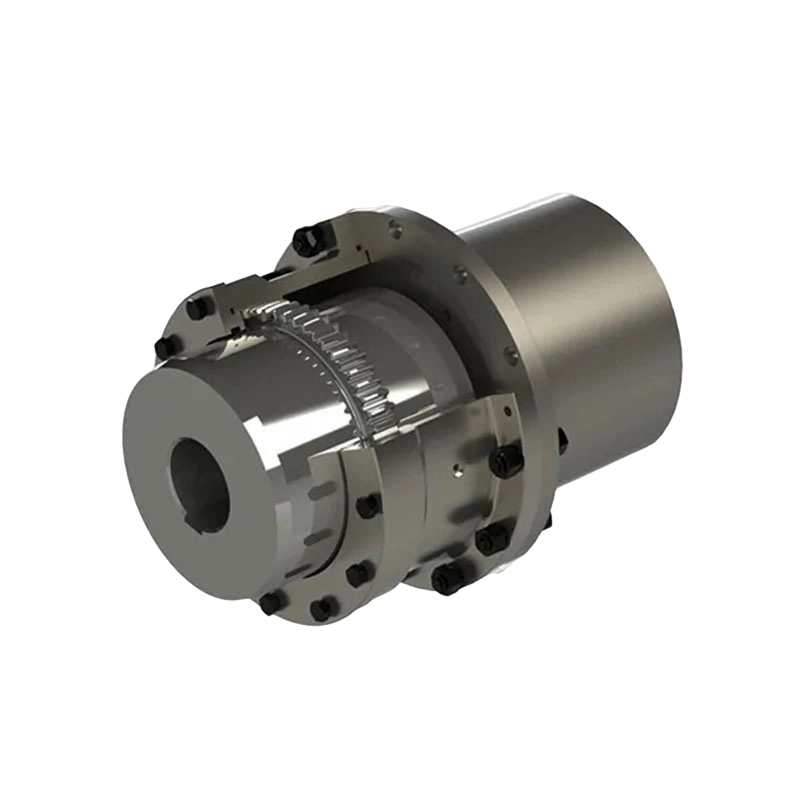
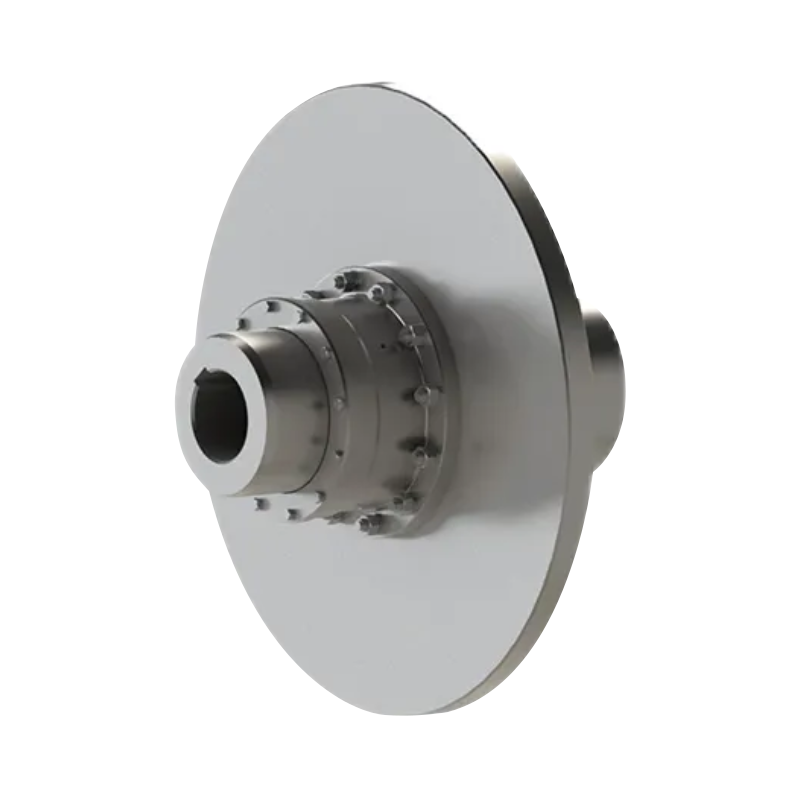
Elastic couplings are used in a variety of different working environments
The elastic coupling transmits torque through elastic elements, resulting in relatively low energy loss during the transmission process, thereby improving the transmission efficiency. The elastic coupling is suitable for various different working environments and conditions, and can meet the requirements of various mechanical transmission systems. The elastic coupling can absorb these vibrations, protecting the generator and other key components, and enhancing the stability of wind power equipment usage. The elastic coupling is suitable for various different working environments and conditions, and can meet the requirements of various mechanical transmission systems. The elastic coupling can absorb these vibrations, protecting the generator and other key components. In construction machinery such as excavators and loaders, the elastic coupling can effectively reduce the impact in the transmission system, lower the equipment failure rate, and improve work efficiency.
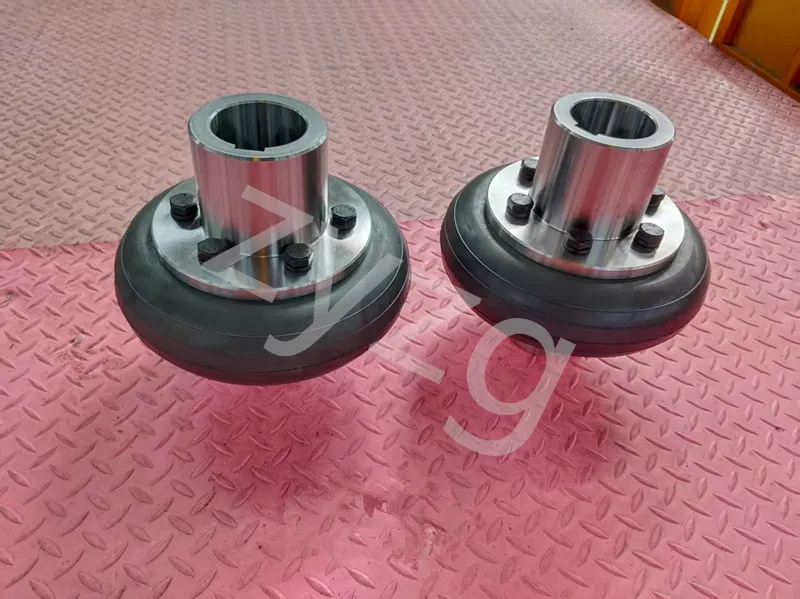
The forging process enhances the density and mechanical properties of the material. It is important to control the forging temperature and forging force. Heat treatment processes such as normalizing, annealing, and quenching and tempering should be carried out, and the heat treatment temperature and time should be controlled. Turning processing includes rough turning, semi-finish turning, and finish turning, gradually improving the accuracy and surface quality of the parts. The cutting speed and feed rate should be controlled carefully to avoid generating large thermal stress and deformation. Due to errors during manufacturing, installation, and use, there may be a certain degree of deviation between the transmission shafts. Elastic couplings can compensate for these deviations within a certain range, ensuring the smooth operation of the transmission. The elastic couplings can effectively reduce the impact and vibration in the transmission system, improving driving comfort. At the same time, they can also compensate for the shaft deviations caused by manufacturing and installation errors.
- Quick Links
- About
- Products
- Our Service
- News & Events
- Contact
- Products Series
- Flexible Couplings with Non-Elastic Elements
- Flexible Couplings with Metal Elastic Elements
- Flexible Couplings with Non-Metallic Elastic Elements
- Safety Coupling
- Rigid Coupling
- Contact Us
- Tel : +86 511 8572 3800 +86 511 8572 3900
- Mobile : +86 15106109009
- Email : sales@couplingzy.com
- Add:No.1 Zhongye Yingbin Avenue, Gaozi Street, Dantu Economic Development Zone, Zhenjiang City, Jiangsu Province, China.


