:+86 15106109009
:sales@couplingzy.com


 English
  русский
  Español
  عربى
عربى  Português
  Deutsch
  Türk
Türk  Indonesia

Couplings in Metallurgical Machinery: Enhancing Efficiency and Reliability
The metallurgical industry, a cornerstone of modern infrastructure and manufacturing, has long been at the forefront of adopting advanced technologies to optimize operations. One such critical component that has significantly contributed to this progress is the coupling. Couplings play a vital role in the smooth functioning of metallurgical machinery, ensuring efficient power transmission, reducing downtime, and enhancing overall system reliability.
Critical Role of Couplings
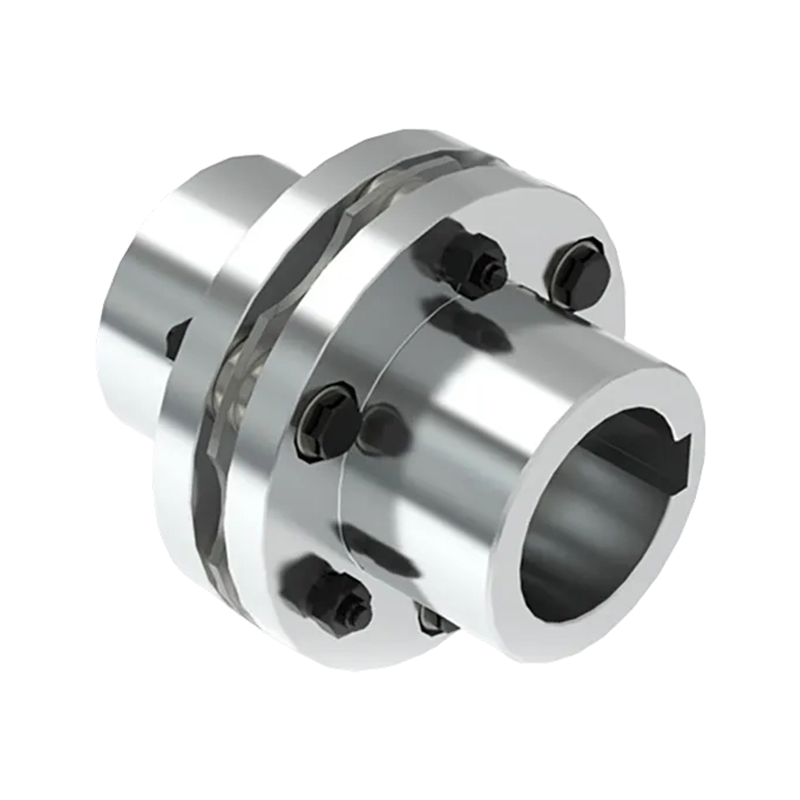
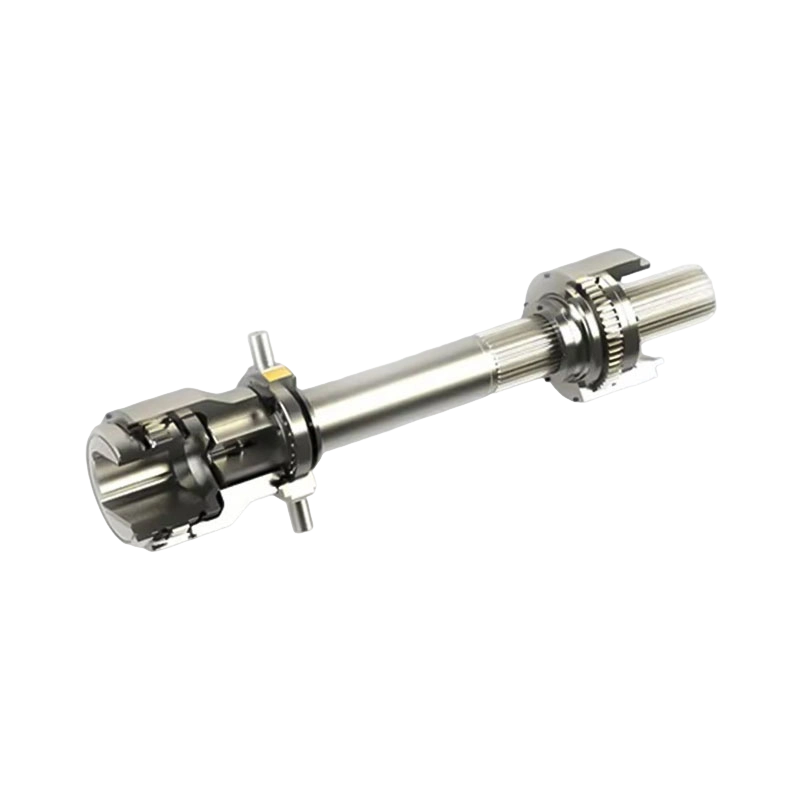
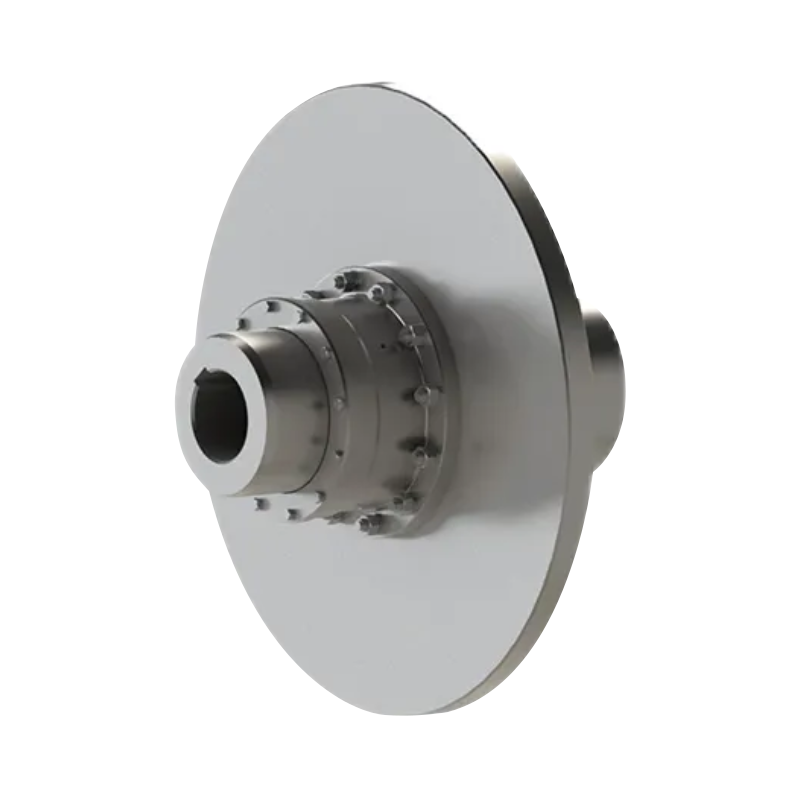
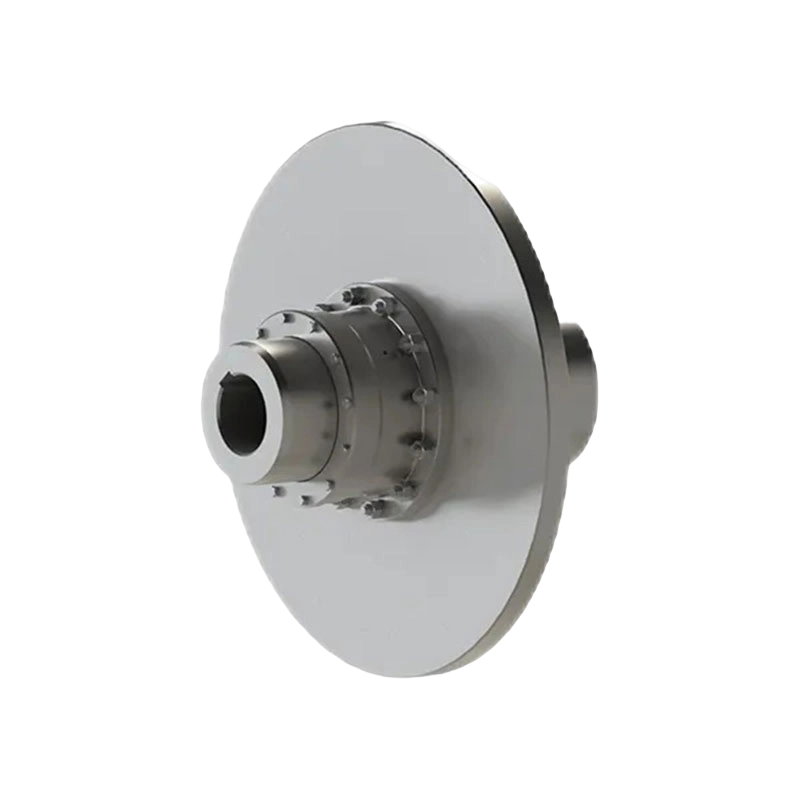
Couplings are mechanical devices used to connect two shafts together at their ends to transmit power. In the context of metallurgical machinery, they are indispensable due to the demanding operational conditions, including high torque, extreme temperatures, and heavy loads. The ability of couplings to absorb misalignment, shock loads, and vibrations makes them crucial for maintaining the integrity and performance of machinery used in smelting, rolling, forging, and other metallurgical processes.
Types of Couplings in Metallurgy
Several types of couplings are utilized in metallurgical machinery, each designed to address specific operational requirements:
Rigid Couplings: These couplings provide a secure connection between shafts without any allowance for misalignment. They are ideal for applications where precise shaft alignment is achievable and necessary.
Flexible Couplings: Designed to accommodate minor misalignments and provide some degree of flexibility, these couplings are essential in environments where thermal expansion and shaft deflection are common.
Fluid Couplings: By transmitting torque through a fluid medium, these couplings offer a smooth and controlled start-up of heavy machinery, reducing mechanical stress and prolonging equipment life.
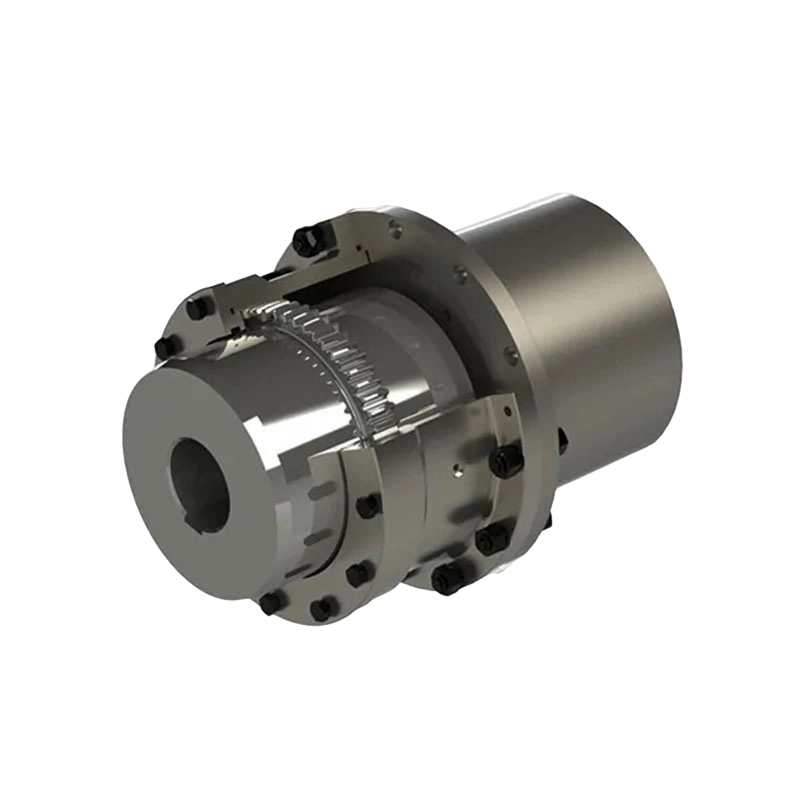
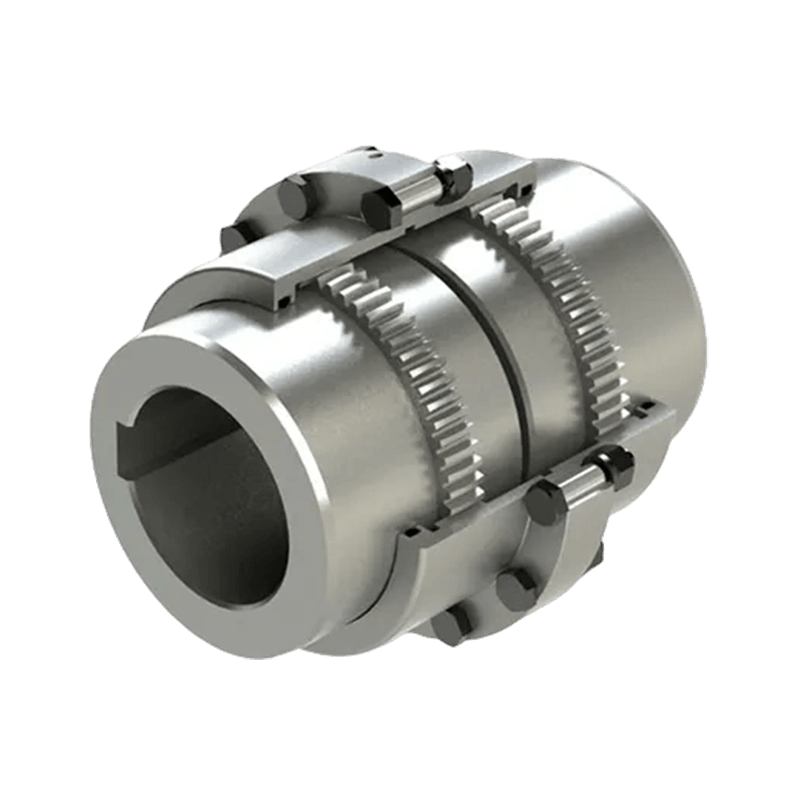
Gear Couplings: Known for their high torque capacity and ability to accommodate angular misalignment, gear couplings are widely used in high-performance metallurgical applications.
Advantages of Advanced Coupling Technology
The incorporation of advanced coupling technology in metallurgical machinery brings several advantages:
Enhanced Efficiency: By ensuring optimal power transmission with minimal losses, couplings contribute to the overall efficiency of metallurgical operations.
Increased Reliability: Couplings reduce the risk of mechanical failures by absorbing shocks and vibrations, thereby extending the lifespan of machinery components.
Reduced Maintenance: The ability of modern couplings to handle misalignment and absorb stresses minimizes wear and tear, leading to lower maintenance requirements and costs.
Operational Safety: By providing smooth torque transmission and accommodating operational variances, couplings enhance the safety of metallurgical processes.
Industry Insights
Industry leaders and experts emphasize the critical role of couplings in achieving operational excellence in metallurgy. "The right choice of coupling can significantly impact the performance and reliability of metallurgical machinery," says Dr. John Smith, a senior metallurgical engineer. "Investing in high-quality couplings tailored to specific operational needs is essential for any metallurgical plant aiming to optimize its processes and maintain a competitive edge."
Conclusion
As the metallurgical industry continues to evolve, the importance of robust and reliable couplings cannot be overstated. These components not only ensure the smooth and efficient operation of machinery but also contribute to the overall safety and cost-effectiveness of metallurgical processes. With ongoing advancements in coupling technology, the future of metallurgy looks promising, marked by increased efficiency, reliability, and operational excellence.
- Quick Links
- About
- Products
- Our Service
- News & Events
- Contact
- Products Series
- Flexible Couplings with Non-Elastic Elements
- Flexible Couplings with Metal Elastic Elements
- Flexible Couplings with Non-Metallic Elastic Elements
- Safety Coupling
- Rigid Coupling
- Contact Us
- Tel : +86 511 8572 3800 +86 511 8572 3900
- Mobile : +86 15106109009
- Email : sales@couplingzy.com
- Add:No.1 Zhongye Yingbin Avenue, Gaozi Street, Dantu Economic Development Zone, Zhenjiang City, Jiangsu Province, China.


