:+86 15106109009
:sales@couplingzy.com


 English
  русский
  Español
  عربى
عربى  Português
  Deutsch
  Türk
Türk  Indonesia

Enhancing Safety and Efficiency: The Role of Couplings in Lifting Equipment
Introduction: Couplings play a pivotal yet often overlooked role in the functionality and safety of lifting equipment across various industries. These mechanical devices serve as connectors, linking different parts of lifting systems such as motors, gearboxes, shafts, and driveshafts. By transmitting power and torque between rotating components, couplings ensure smooth operation and efficient power transfer. This profile delves into the significance of couplings in lifting equipment, highlighting their contributions to safety, reliability, and performance.
Types of Couplings: Couplings come in a diverse range of types, each tailored to specific applications and operational requirements. Common types include:
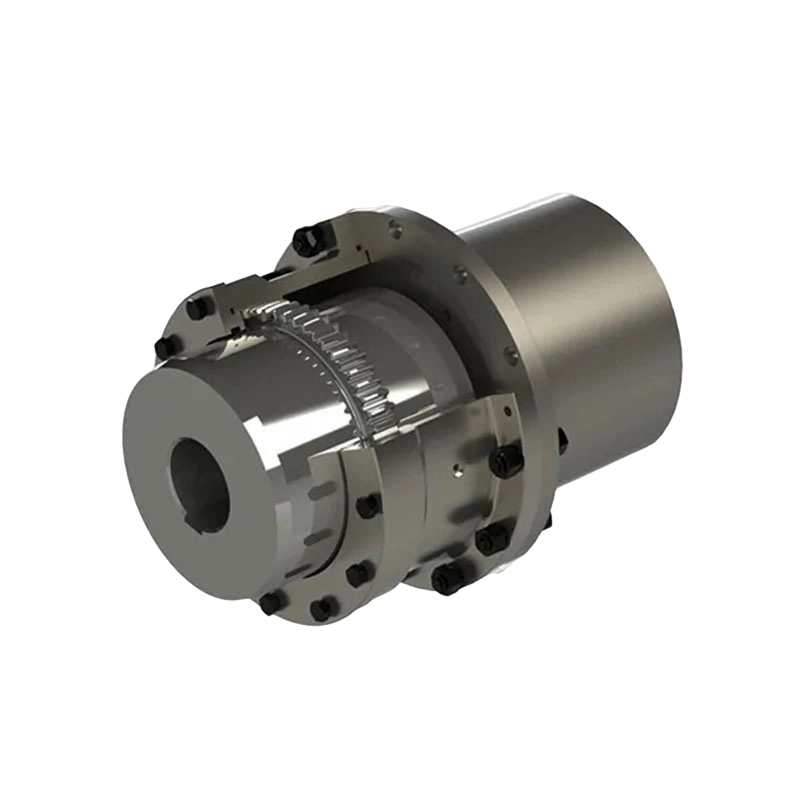
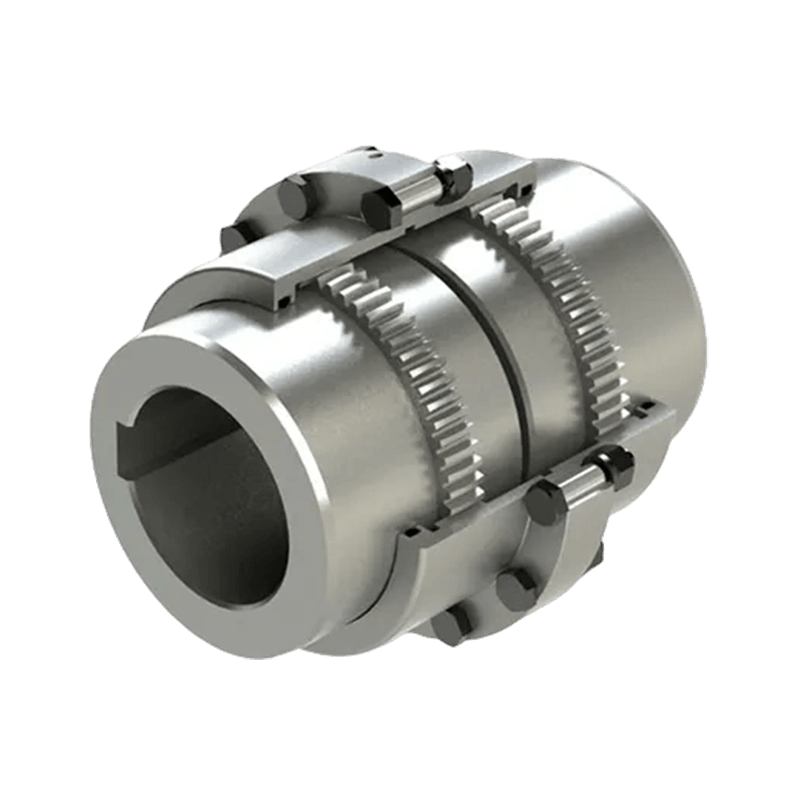
Gear Couplings: These robust couplings transmit high torque loads and accommodate misalignment between shafts. With their durable construction, gear couplings excel in heavy-duty lifting applications such as cranes and hoists.
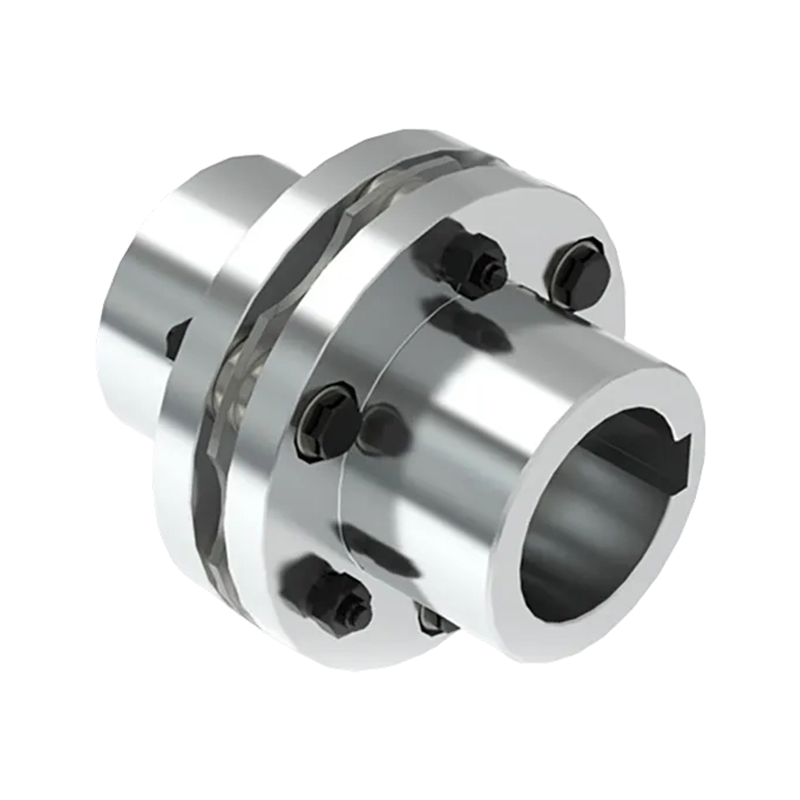
Flexible Couplings: Designed to compensate for misalignment and reduce vibration, flexible couplings enhance the longevity of lifting equipment by minimizing wear and tear on connected components. Examples include elastomeric, grid, and diaphragm couplings.
Jaw Couplings: Known for their simplicity and ease of installation, jaw couplings provide reliable torque transmission while dampening shock and vibration. They find widespread use in lifting equipment such as winches and conveyors.
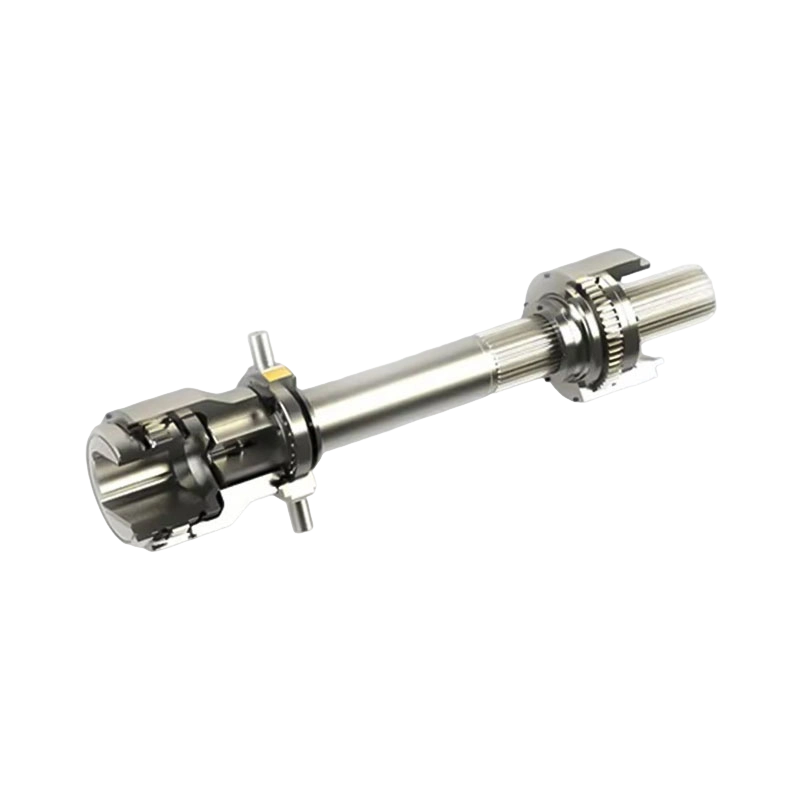
Torsionally Rigid Couplings: Ideal for precision lifting applications where torque accuracy is paramount, torsionally rigid couplings maintain shaft alignment under heavy loads, ensuring consistent performance.
Key Features and Benefits: The integration of couplings in lifting equipment offers several key benefits:
Enhanced Safety: Couplings help prevent catastrophic failures by absorbing shocks, reducing vibration, and minimizing the risk of component misalignment. This promotes safer working environments for operators and protects valuable assets.
Improved Reliability: By maintaining shaft alignment and mitigating stress on connected machinery, couplings enhance the reliability and longevity of lifting equipment. This translates to reduced downtime, increased productivity, and lower maintenance costs.
Efficient Power Transmission: Couplings facilitate efficient power transfer between rotating components, optimizing energy utilization and maximizing the performance of lifting systems. This leads to improved productivity and operational efficiency.
Adaptability: Couplings accommodate various types of misalignment, angular displacement, and shaft sizes, providing flexibility in equipment design and installation. This versatility ensures compatibility with different lifting applications and operational conditions.
Applications Across Industries: Couplings play a critical role in diverse industries relying on lifting equipment, including construction, manufacturing, logistics, and marine. From overhead cranes and gantry systems to material handling conveyors and offshore rigging, couplings enable safe and reliable lifting operations in demanding environments.
Conclusion: In the realm of lifting equipment, couplings serve as indispensable components, enabling safe, efficient, and reliable operation. Their ability to transmit power, accommodate misalignment, and dampen vibration enhances the performance and longevity of lifting systems across various industries. As technology advances and lifting demands evolve, couplings will continue to play a vital role in optimizing the safety, reliability, and efficiency of lifting equipment worldwide.
- Quick Links
- About
- Products
- Our Service
- News & Events
- Contact
- Products Series
- Flexible Couplings with Non-Elastic Elements
- Flexible Couplings with Metal Elastic Elements
- Flexible Couplings with Non-Metallic Elastic Elements
- Safety Coupling
- Rigid Coupling
- Contact Us
- Tel : +86 511 8572 3800 +86 511 8572 3900
- Mobile : +86 15106109009
- Email : sales@couplingzy.com
- Add:No.1 Zhongye Yingbin Avenue, Gaozi Street, Dantu Economic Development Zone, Zhenjiang City, Jiangsu Province, China.


