:+86 15106109009
:sales@couplingzy.com


 English
  русский
  Español
  عربى
عربى  Português
  Deutsch
  Türk
Türk  Indonesia

Expanding Role of Couplings in the Power Sector: Enhancing Efficiency and Reliability
In a rapidly evolving power sector, the role of mechanical couplings has become increasingly vital. These essential components, which connect two rotating shafts to transmit power, are playing a pivotal role in improving the efficiency, reliability, and flexibility of power generation and distribution systems.
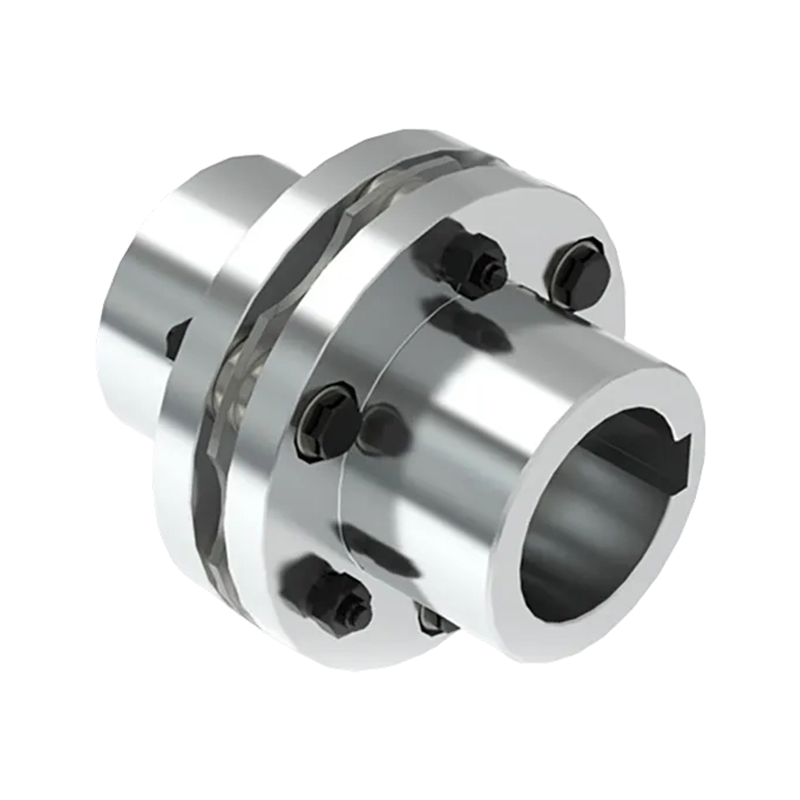
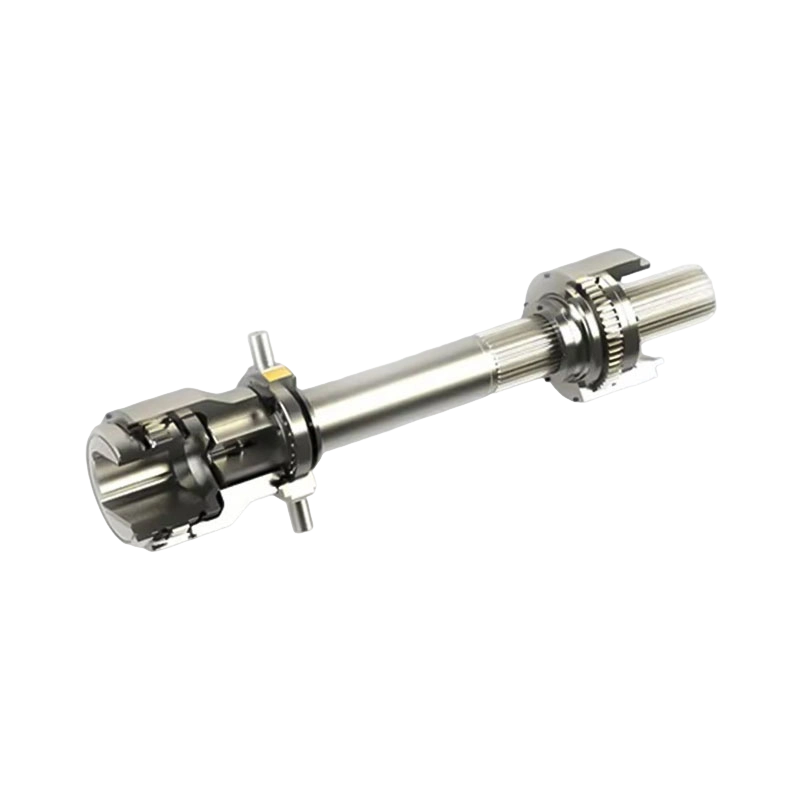
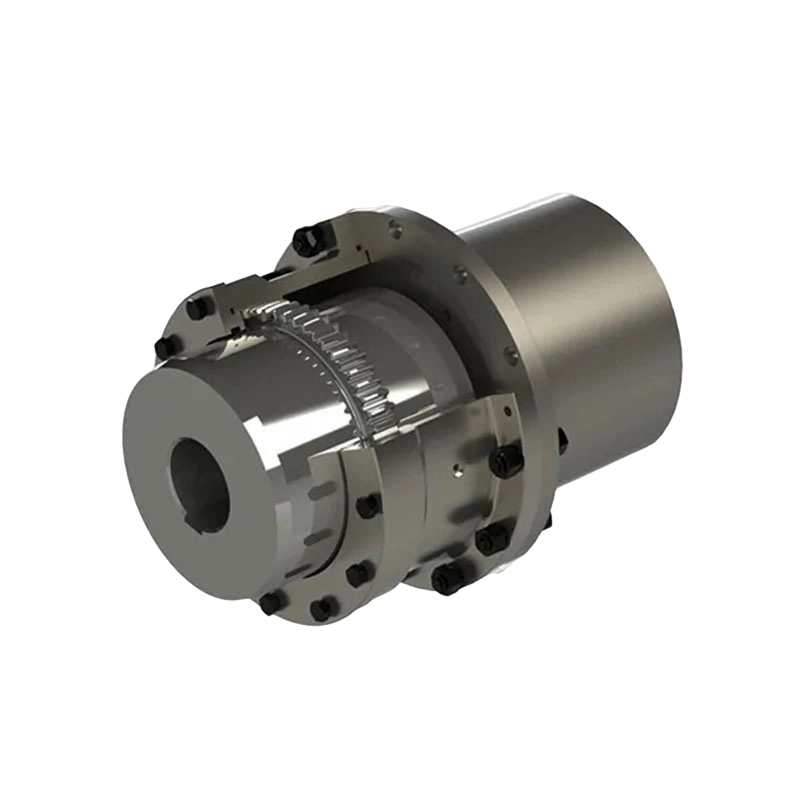
Couplings are integral to a variety of applications in the power industry, from traditional fossil fuel power plants to renewable energy installations such as wind and solar farms. Their ability to accommodate misalignments, absorb shocks, and reduce vibration helps in maintaining the operational integrity and longevity of critical machinery.
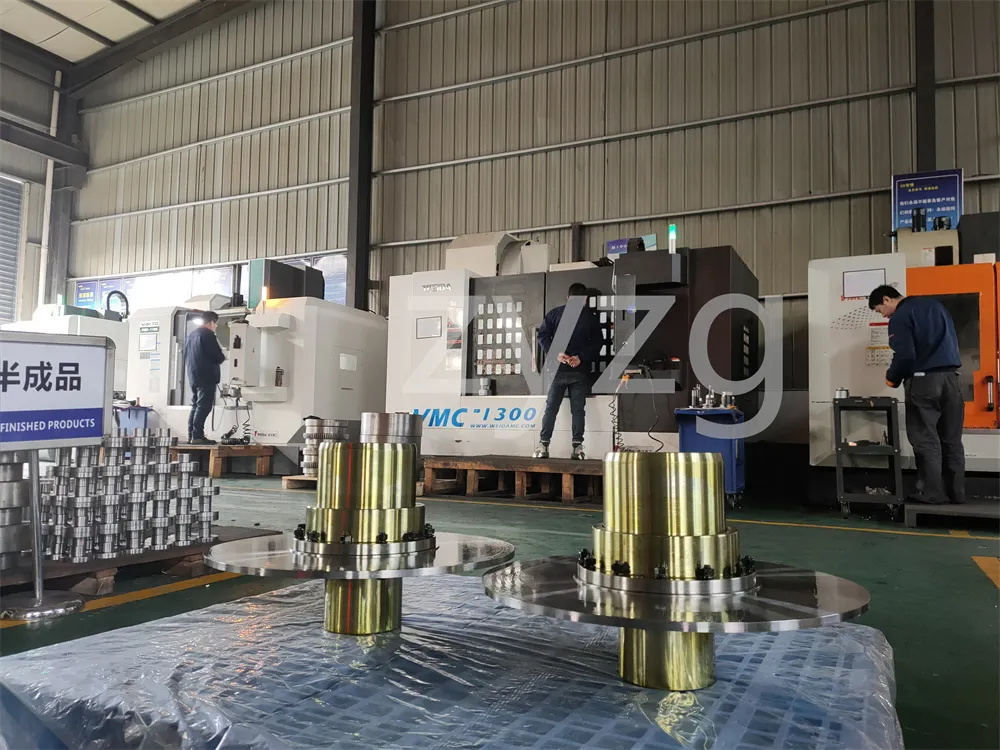
Enhancing Efficiency in Power Generation
In power plants, whether powered by coal, natural gas, or nuclear energy, couplings are used to connect turbines to generators. The precision and durability of these couplings are crucial in ensuring smooth and efficient power transmission. Advanced couplings designed to handle high torque and speed variations are now enabling power plants to operate more efficiently, reducing downtime and maintenance costs.
Supporting Renewable Energy
As the global energy landscape shifts towards sustainability, the deployment of couplings in renewable energy systems has gained momentum. Wind turbines, for example, rely on flexible couplings to accommodate the varying loads and misalignments caused by wind fluctuations. These couplings also help in reducing the stress on gearboxes, thereby extending the life of the turbines and enhancing their reliability.
In solar power plants, couplings are used in tracking systems that orient photovoltaic panels towards the sun. These systems require precise and reliable couplings to ensure accurate tracking, which maximizes energy capture and improves the overall efficiency of solar installations.
Improving Grid Stability and Distribution
Couplings also play a critical role in the power distribution network. They are used in various types of rotating equipment, such as pumps and compressors, that are essential for the operation of power substations and the transmission grid. By ensuring the smooth operation of these components, couplings help maintain grid stability and prevent power outages.
Innovations in coupling technology, such as the development of smart couplings equipped with sensors, are further enhancing the reliability of power systems. These smart couplings can monitor their own condition and provide real-time data on performance, allowing for predictive maintenance and early detection of potential issues.
Conclusion
The importance of couplings in the power sector cannot be overstated. As the industry continues to evolve with advancements in technology and a growing emphasis on sustainability, the demand for high-performance, reliable couplings will only increase. By enhancing the efficiency and reliability of power generation, transmission, and distribution systems, couplings are not only supporting the current energy infrastructure but also paving the way for a more resilient and sustainable energy future.
As power producers and grid operators seek to meet the rising energy demands while minimizing environmental impact, the role of couplings will remain at the forefront of innovation, driving the industry towards greater efficiency and reliability.
- Quick Links
- About
- Products
- Our Service
- News & Events
- Contact
- Products Series
- Flexible Couplings with Non-Elastic Elements
- Flexible Couplings with Metal Elastic Elements
- Flexible Couplings with Non-Metallic Elastic Elements
- Safety Coupling
- Rigid Coupling
- Contact Us
- Tel : +86 511 8572 3800 +86 511 8572 3900
- Mobile : +86 15106109009
- Email : sales@couplingzy.com
- Add:No.1 Zhongye Yingbin Avenue, Gaozi Street, Dantu Economic Development Zone, Zhenjiang City, Jiangsu Province, China.


