:+86 15106109009
:sales@couplingzy.com


 English
  русский
  Español
  عربى
عربى  Português
  Deutsch
  Türk
Türk  Indonesia

Coupling Industry Trends: Technological Innovation Driving Market Transformation
Introduction: As modern industry continues to evolve, couplings, a crucial component in mechanical transmission systems, are experiencing significant technological advancements and market demand shifts. This article explores the current trends in the coupling industry and how these innovations are driving market transformation.
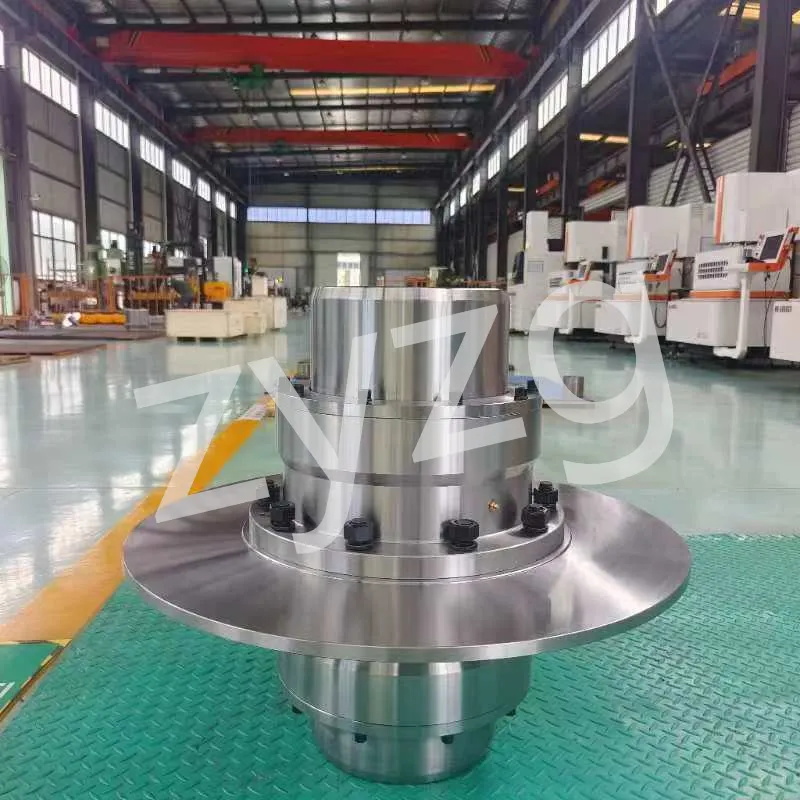
1. Emphasis on High-Performance Materials The demand for high-performance materials in couplings is rising. Manufacturers are increasingly using advanced materials like carbon fiber composites, titanium, and high-strength alloys to improve durability, reduce weight, and enhance overall performance. These materials offer superior strength-to-weight ratios, corrosion resistance, and longevity, making them ideal for various industrial applications.
2. Integration of Smart Technology The integration of smart technology in couplings is a notable trend. Smart couplings equipped with sensors and IoT capabilities allow for real-time monitoring of performance parameters such as torque, vibration, and temperature. This enables predictive maintenance, reducing downtime and maintenance costs while increasing operational efficiency. Companies can now anticipate issues before they become critical, ensuring smoother and more reliable operations.
3. Focus on Energy Efficiency Energy efficiency is becoming a critical consideration in coupling design. Innovations in coupling technology are geared towards minimizing energy loss and improving transmission efficiency. This is achieved through optimized designs that reduce friction and heat generation, as well as through the use of lightweight materials. Energy-efficient couplings contribute to overall system efficiency and sustainability, aligning with global efforts to reduce energy consumption and carbon emissions.
4. Customization and Flexibility Customization and flexibility are increasingly important in the coupling industry. Manufacturers are offering tailored solutions to meet the specific needs of different industries and applications. This trend is driven by the diverse requirements of sectors such as automotive, aerospace, renewable energy, and industrial machinery. Customizable couplings ensure optimal performance and compatibility with various systems, enhancing the adaptability and versatility of industrial operations.
5. Expansion in Renewable Energy Sector The renewable energy sector is a significant driver of growth in the coupling industry. Wind turbines, solar power plants, and other renewable energy installations require robust and reliable coupling solutions to ensure efficient power transmission. The increasing investment in renewable energy projects worldwide is boosting the demand for high-quality couplings designed to withstand harsh environmental conditions and provide long-term reliability.
6. Advancements in Manufacturing Techniques Advancements in manufacturing techniques, such as additive manufacturing (3D printing) and precision machining, are revolutionizing coupling production. These technologies enable the creation of complex designs with high precision and consistency, reducing production time and costs. Additionally, they allow for rapid prototyping and testing, accelerating the development of innovative coupling solutions.
Conclusion: The coupling industry is undergoing a transformative phase driven by technological innovations and changing market demands. High-performance materials, smart technology integration, energy efficiency, customization, renewable energy expansion, and advanced manufacturing techniques are shaping the future of the industry. As these trends continue to evolve, they will contribute to more efficient, reliable, and sustainable industrial operations, ensuring that couplings remain a vital component in the global industrial landscape.
- Quick Links
- About
- Products
- Our Service
- News & Events
- Contact
- Products Series
- Flexible Couplings with Non-Elastic Elements
- Flexible Couplings with Metal Elastic Elements
- Flexible Couplings with Non-Metallic Elastic Elements
- Safety Coupling
- Rigid Coupling
- Contact Us
- Tel : +86 511 8572 3800 +86 511 8572 3900
- Mobile : +86 15106109009
- Email : sales@couplingzy.com
- Add:No.1 Zhongye Yingbin Avenue, Gaozi Street, Dantu Economic Development Zone, Zhenjiang City, Jiangsu Province, China.


