:+86 15106109009
:sales@couplingzy.com


 English
  русский
  Español
  عربى
عربى  Português
  Deutsch
  Türk
Türk  Indonesia

Emerging Markets and New Applications Driving Growth in the Coupling Industry
The coupling industry is witnessing substantial growth driven by emerging markets and innovative applications. As industries evolve and new technologies emerge, couplings, which play a critical role in power transmission and mechanical systems, are seeing increased demand across various sectors.
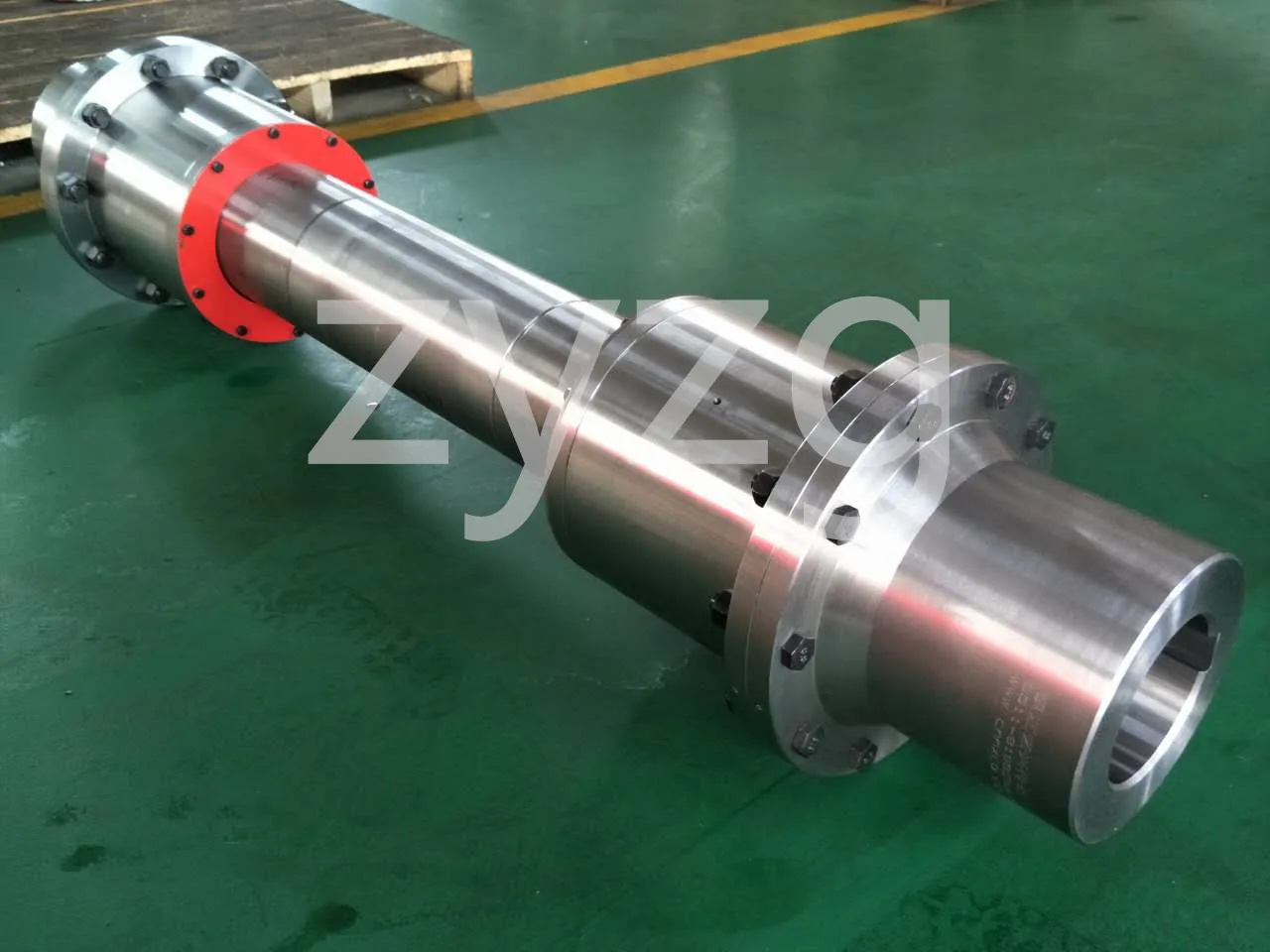
Rising Demand in Emerging Markets
Emerging markets, particularly in Asia-Pacific, Latin America, and Africa, are contributing significantly to the growth of the coupling industry. Rapid industrialization, urbanization, and infrastructure development in these regions are creating a surge in demand for reliable and efficient power transmission solutions.
Countries like India and China are investing heavily in manufacturing, automotive, and renewable energy sectors, all of which require advanced coupling technologies. The expanding oil and gas industry in the Middle East and Africa also presents significant opportunities for coupling manufacturers.
Analysts predict that the coupling market in these regions will grow at a compound annual growth rate (CAGR) of over 6% in the next five years, outpacing the global average. This growth is fueled by government initiatives promoting industrialization and foreign direct investments.
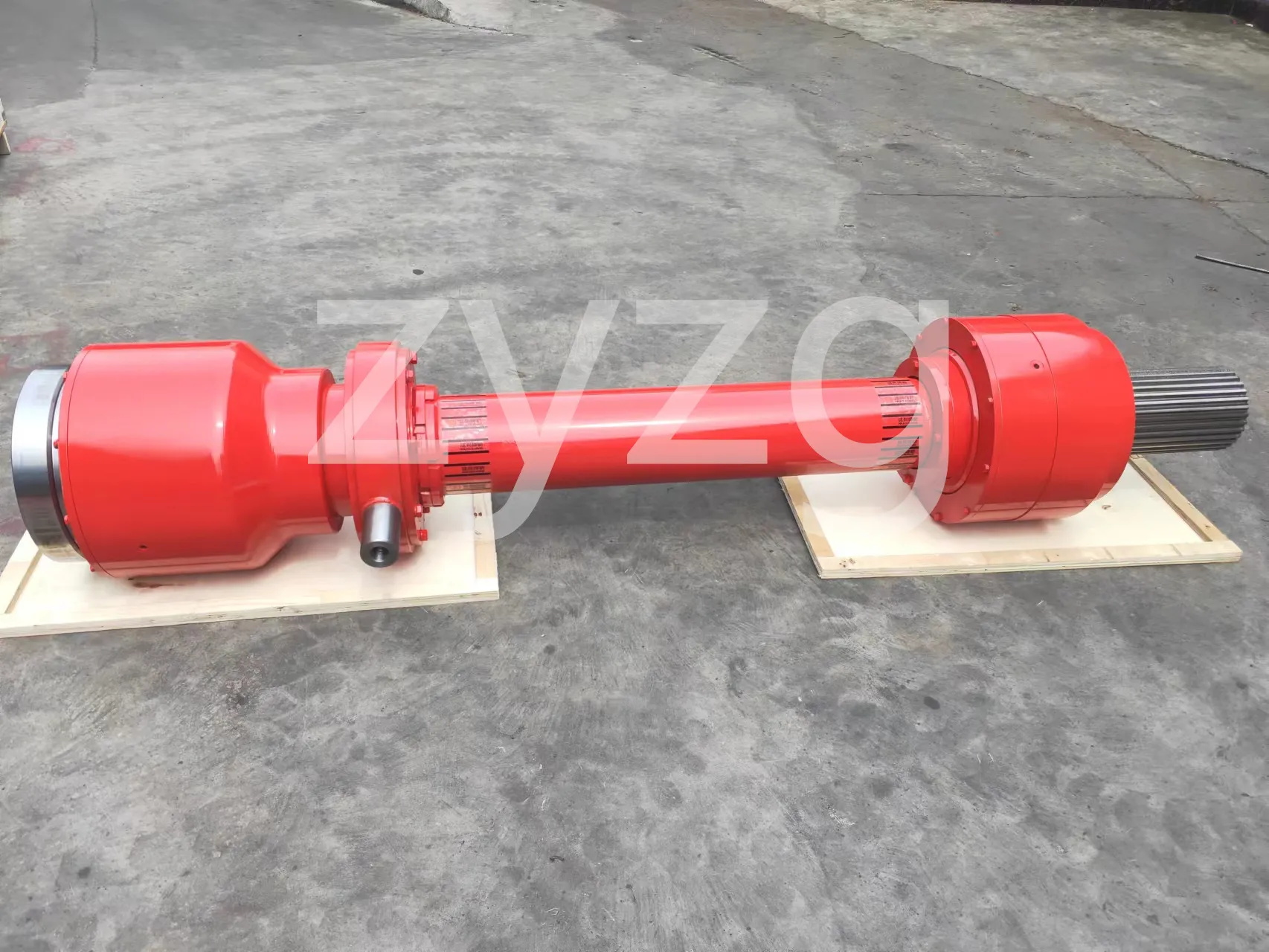
Innovative Applications and Technological Advancements
The advent of Industry 4.0 and the integration of smart technologies are revolutionizing the coupling industry. Couplings are now being designed with built-in sensors and IoT capabilities to monitor performance in real-time, predict maintenance needs, and optimize operations. These smart couplings are becoming essential components in automated manufacturing systems, ensuring minimal downtime and enhanced efficiency.
In the renewable energy sector, couplings are being tailored to meet the specific requirements of wind turbines, solar power plants, and hydroelectric facilities. The focus is on developing lightweight, high-strength materials that can withstand harsh environmental conditions while maintaining high efficiency.
The automotive industry is another key area where innovative coupling solutions are making a mark. With the shift towards electric and hybrid vehicles, there is a need for couplings that can handle high torque and provide precise control. New materials and designs are being developed to meet these stringent requirements, enhancing vehicle performance and reliability.
Future Prospects and Strategic Initiatives
Looking ahead, the coupling industry is poised for continued growth and transformation. Companies are investing in research and development to create next-generation couplings that offer superior performance, durability, and smart capabilities. Strategic partnerships and collaborations are also on the rise, enabling companies to leverage each other’s strengths and expand their market reach.
Government policies promoting sustainable development and energy efficiency are further driving innovation in the industry. Manufacturers are focusing on reducing the environmental impact of their products through eco-friendly materials and energy-efficient production processes.
In conclusion, the coupling industry is experiencing a dynamic phase of growth, driven by emerging markets and new applications. The ongoing technological advancements and strategic initiatives are expected to propel the industry to new heights, offering significant opportunities for stakeholders across the value chain.
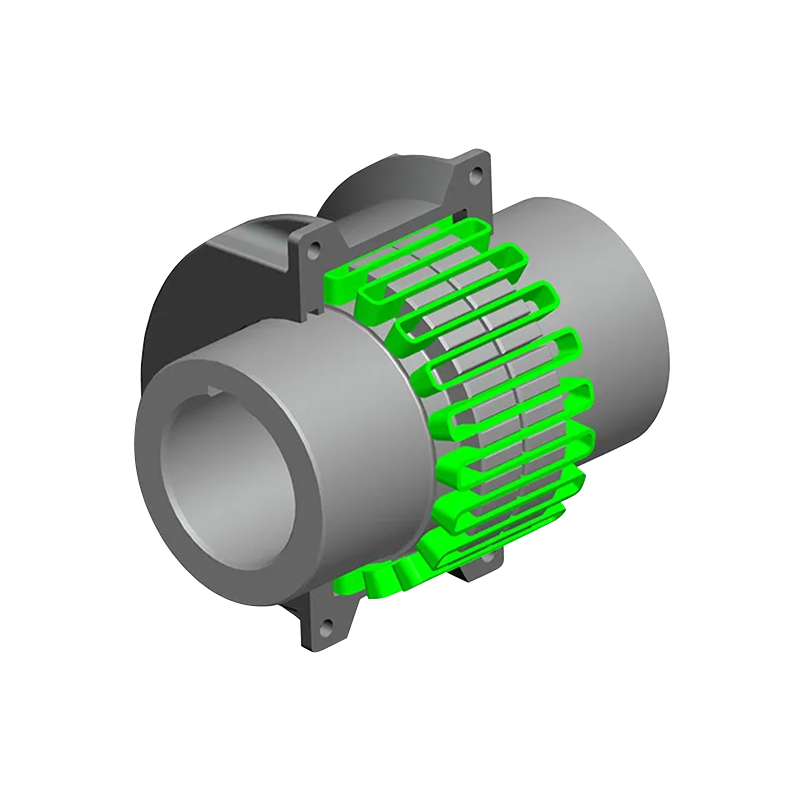
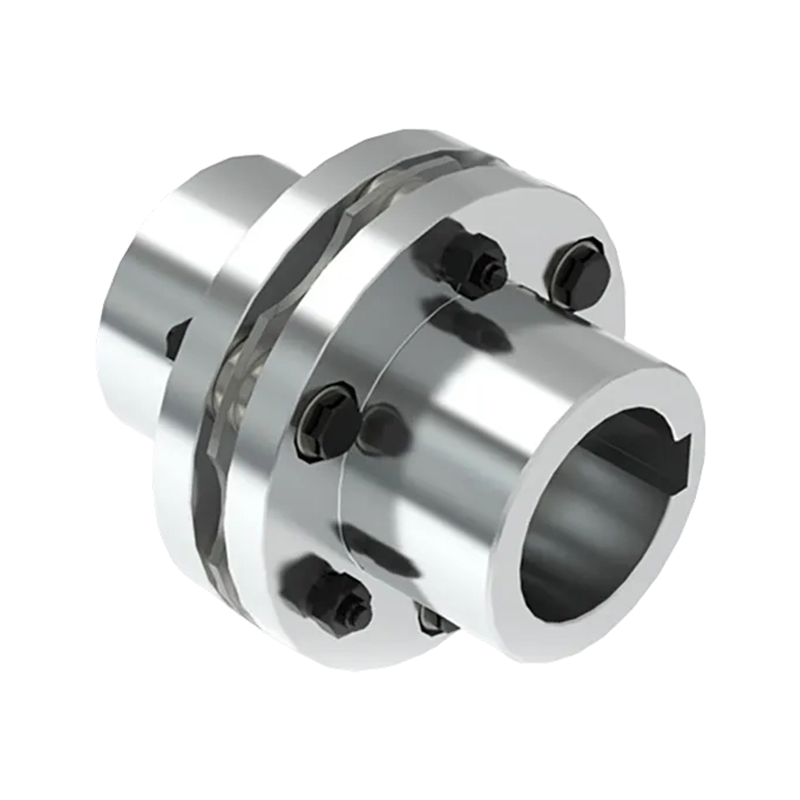
- Quick Links
- About
- Products
- Our Service
- News & Events
- Contact
- Products Series
- Flexible Couplings with Non-Elastic Elements
- Flexible Couplings with Metal Elastic Elements
- Flexible Couplings with Non-Metallic Elastic Elements
- Safety Coupling
- Rigid Coupling
- Contact Us
- Tel : +86 511 8572 3800 +86 511 8572 3900
- Mobile : +86 15106109009
- Email : sales@couplingzy.com
- Add:No.1 Zhongye Yingbin Avenue, Gaozi Street, Dantu Economic Development Zone, Zhenjiang City, Jiangsu Province, China.


