:+86 15106109009
:sales@couplingzy.com


 English
  русский
  Español
  عربى
عربى  Português
  Deutsch
  Türk
Türk  Indonesia

Universal Joint Shield: Function, Specification and Application
Universal Joint Housing: Function, Specification and Application Report
1. Overview
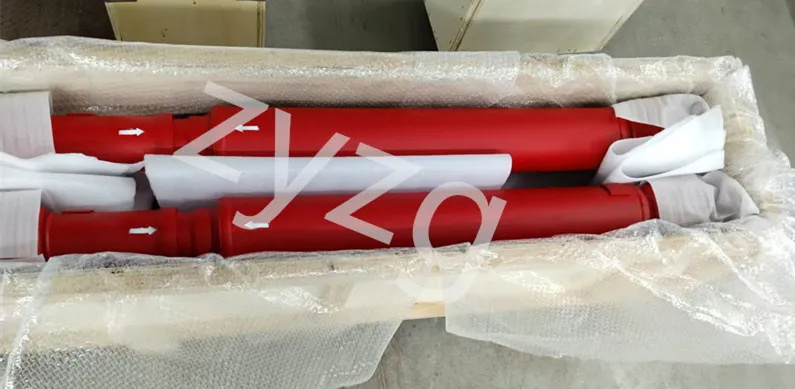
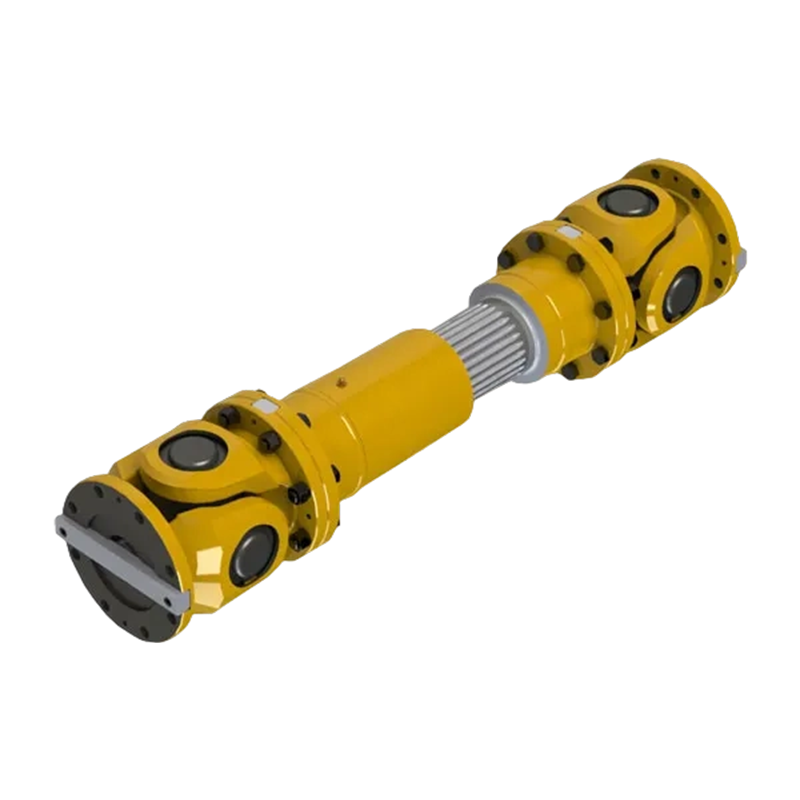
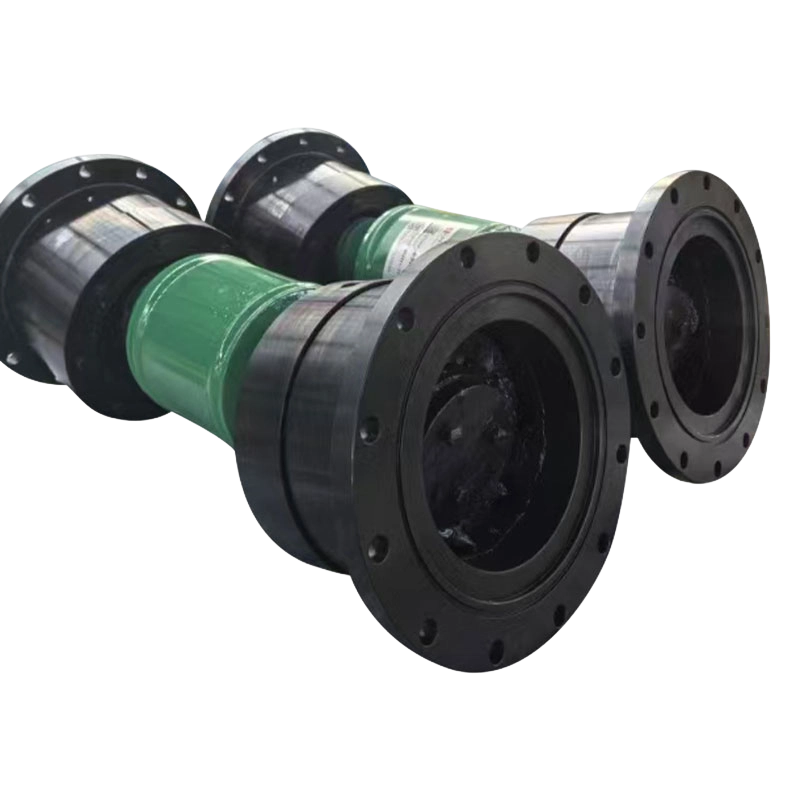
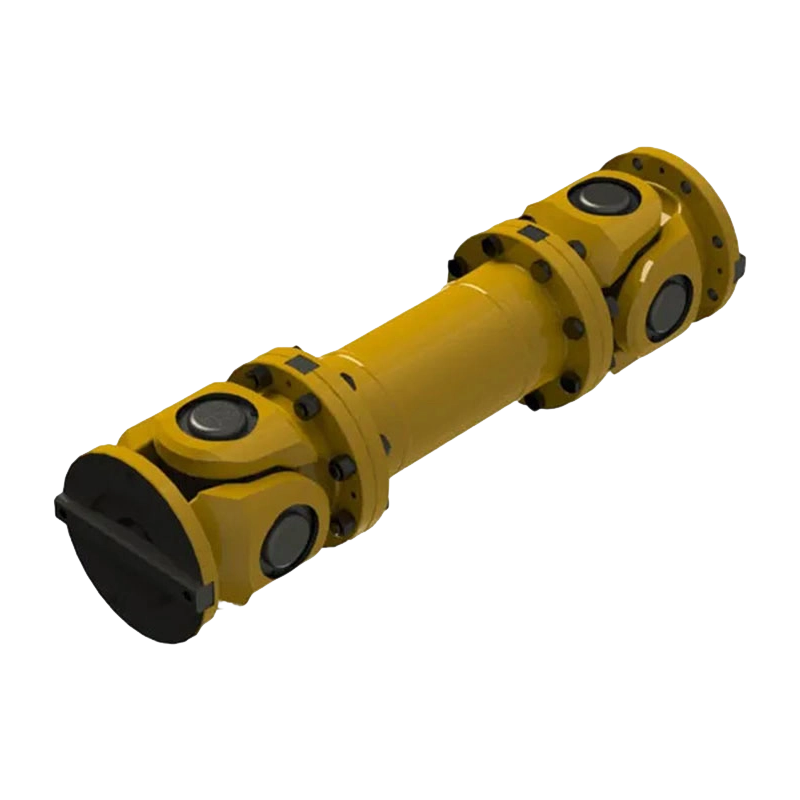
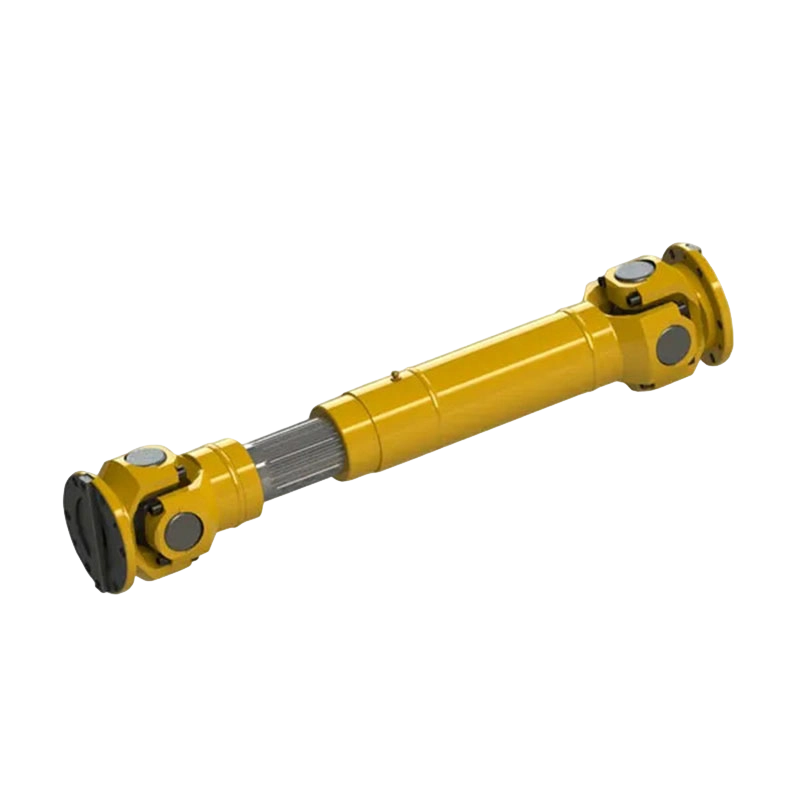
The universal joint housing, also known as a universal joint shield or boot, is a critical protective component installed externally on universal joints. It is widely used in automotive, industrial machinery, and engineering equipment fields, designed to safeguard the universal joint assembly and ensure stable power transmission. Its structural design and material selection are tailored to different operating environments, ranging from flexible dust-proof boots for passenger cars to rigid protective casings for heavy industrial equipment.
2. Core Functions
- Contaminant Isolation: Effectively blocks dust, moisture, sand, and other external impurities from entering the internal structure of the universal joint, preventing abrasive wear and corrosion of key components such as universal joints, bearings, and shafts.
- Lubrication Preservation: Maintains the sealing of the internal lubrication system, preventing leakage of lubricating oil and ensuring sufficient lubrication of moving parts, thus optimizing transmission efficiency and reducing energy loss.
- Safety Protection: Eliminates potential hazards caused by exposed rotating components, avoiding accidental contact injuries; meanwhile, it absorbs external impacts and vibrations to reduce damage to the universal joint.
- Service Life Extension: By reducing component wear, corrosion, and mechanical damage, the overall service life of the universal joint assembly is significantly prolonged, lowering maintenance costs and downtime.
3. Key Specifications
3.1 Material Options
- Rubber: Chloroprene rubber (CR) is commonly used for its excellent flexibility, low-temperature resistance, and weatherability, suitable for automotive universal joint boots.
- Plastic: Lightweight and cost-effective, applicable to mid-to-low-end equipment; reinforced plastic variants offer enhanced impact resistance.
- Metal: High-strength steel or aluminum alloys, featuring superior durability and load-bearing capacity, used in heavy industrial equipment such as steel rolling machinery.
- Composite Materials: Combine the advantages of metal and plastic, providing balanced strength, flexibility, and corrosion resistance, with broad application prospects in high-performance equipment.
3.2 Structural Types (Based on JB/T 9791—2022 Standard)
- Corrugated three-clamp type
- Corrugated two-clamp type
- Straight-tube three-clamp type
- Corrugated buckle type
- Double C-shaped plastic clip fixed type
- Straight-tube screw fixed type
3.3 Performance Requirements
- Mechanical Strength: No cracks or fractures after room-temperature axial and radial loading tests.
- Low-Temperature Stability: Maintains structural integrity and performance during low-temperature axial loading and impact tests.
- Weather Resistance: For plastic or rubber materials, no obvious discoloration, cracking, or degradation after 1000 hours of weathering tests.
- Sealing Performance: Effectively prevents lubricant leakage and contaminant intrusion under long-term operation.
3.4 Connection Methods
- Clamp connection (for corrugated three-clamp and two-clamp types)
- Screw connection (for straight-tube screw fixed types)
- Plug-in connection (for dust-proof universal joint housings)
4. Application Scenarios
- Automotive Industry: Passenger cars and commercial vehicles use flexible universal joint boots (typically rubber or plastic) to protect drive shaft universal joints, adapting to vehicle vibration and angle changes.
- Industrial Machinery: Steel rolling mills, mining equipment, and conveyor systems adopt rigid metal or composite housings to withstand harsh working conditions such as high load, dust, and impact.
- Engineering Equipment: Excavators, loaders, and other construction machinery use high-strength, wear-resistant housings to ensure reliable operation in complex outdoor environments.

- Quick Links
- About
- Products
- Our Service
- News & Events
- Contact
- Products Series
- Flexible Couplings with Non-Elastic Elements
- Flexible Couplings with Metal Elastic Elements
- Flexible Couplings with Non-Metallic Elastic Elements
- Safety Coupling
- Rigid Coupling
- Contact Us
- Tel : +86 511 8572 3800 +86 511 8572 3900
- Mobile : +86 15106109009
- Email : sales@couplingzy.com
- Add:No.1 Zhongye Yingbin Avenue, Gaozi Street, Dantu Economic Development Zone, Zhenjiang City, Jiangsu Province, China.


