:+86 15106109009
:sales@couplingzy.com


 English
  русский
  Español
  عربى
عربى  Português
  Deutsch
  Türk
Türk  Indonesia

Couplings in Lifting Machinery: Enhancing Efficiency and Safety
In the field of lifting machinery, couplings play a crucial role in ensuring efficient power transmission, enhancing operational safety, and reducing maintenance costs. These mechanical components connect two rotating shafts, enabling smooth torque transfer while accommodating misalignments and dampening vibrations.
The Role of Couplings in Lifting Machinery
Lifting machines, such as cranes, hoists, and elevators, require precise and reliable motion control. Couplings help in:
Power Transmission: They ensure seamless energy transfer from motors to gears and pulleys, improving efficiency.
Misalignment Compensation: Flexible couplings accommodate slight shaft misalignments, preventing undue stress on the system.
Vibration Reduction: By absorbing shocks and vibrations, couplings enhance the longevity of machine components and provide a smoother operation.
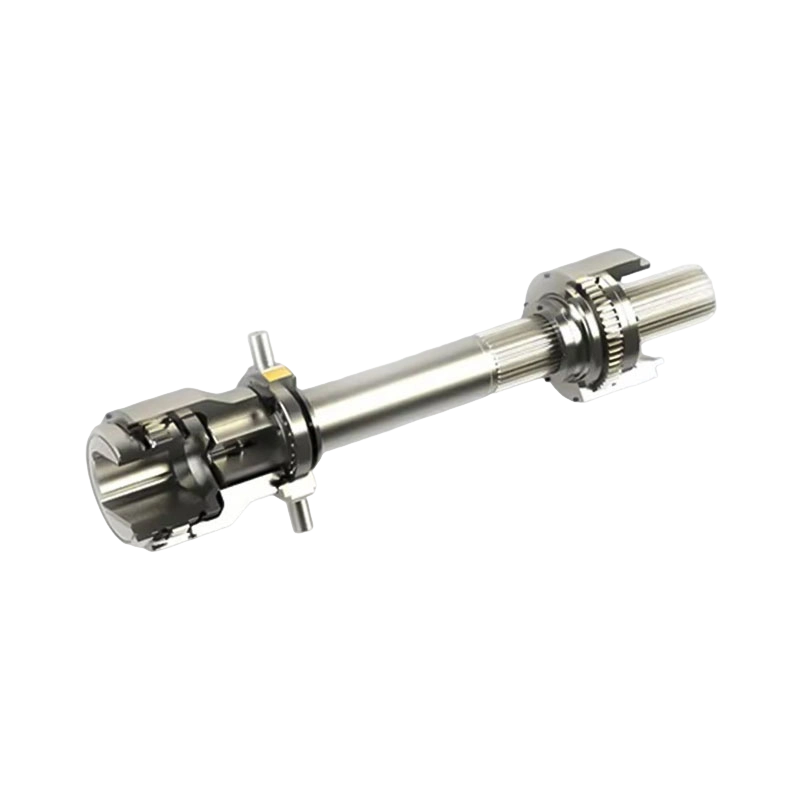
Overload Protection: Some couplings feature torque-limiting functions, preventing damage from sudden load changes.
Types of Couplings Used in Lifting Machinery
Different types of couplings are utilized based on the specific requirements of lifting applications:
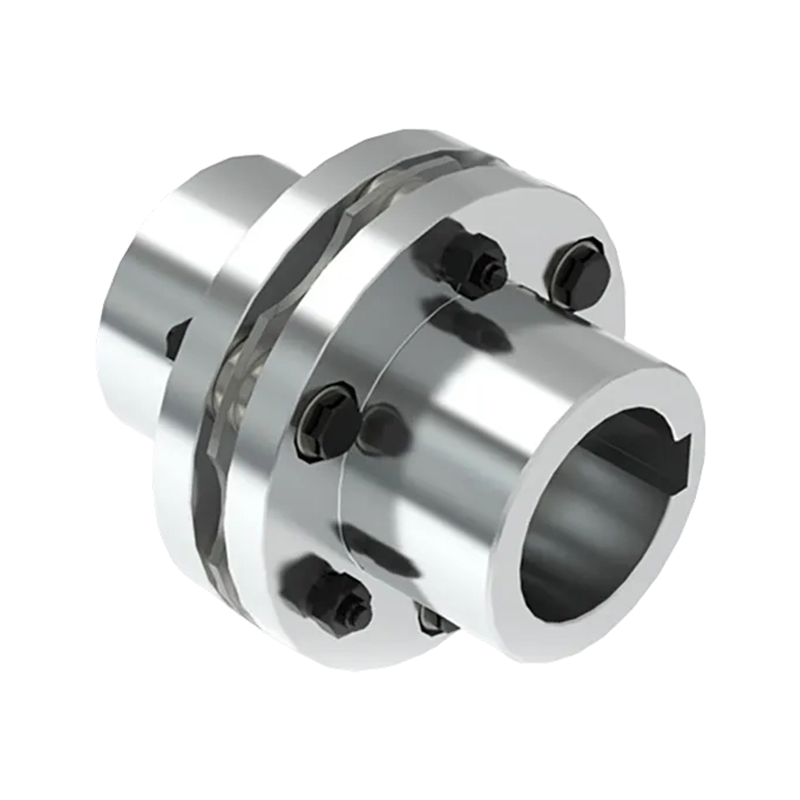
Flexible Couplings: Used to compensate for shaft misalignments and reduce vibration.
Rigid Couplings: Ideal for applications where precise shaft alignment is maintained.
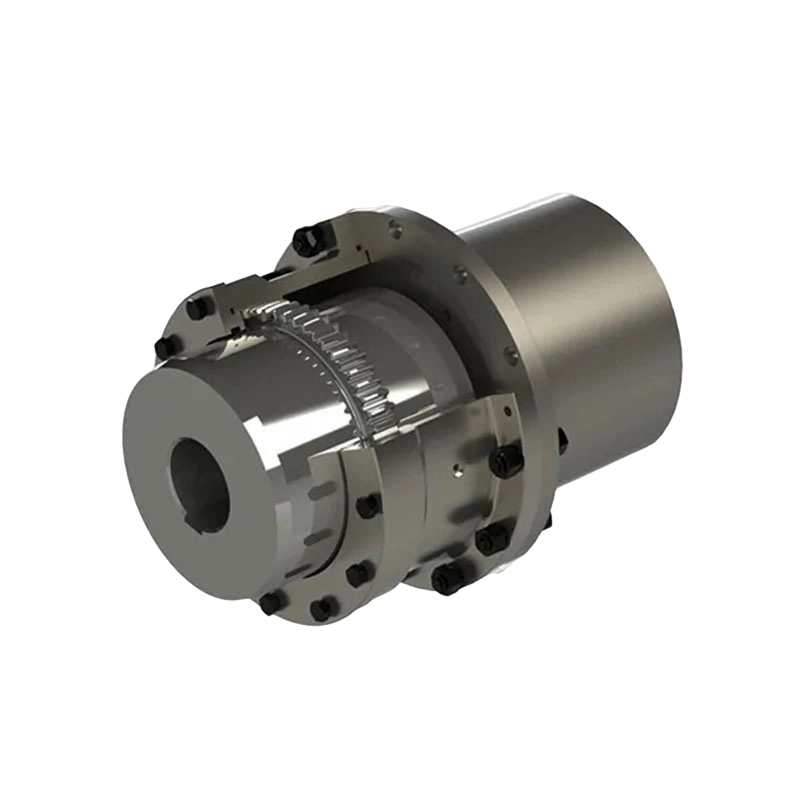
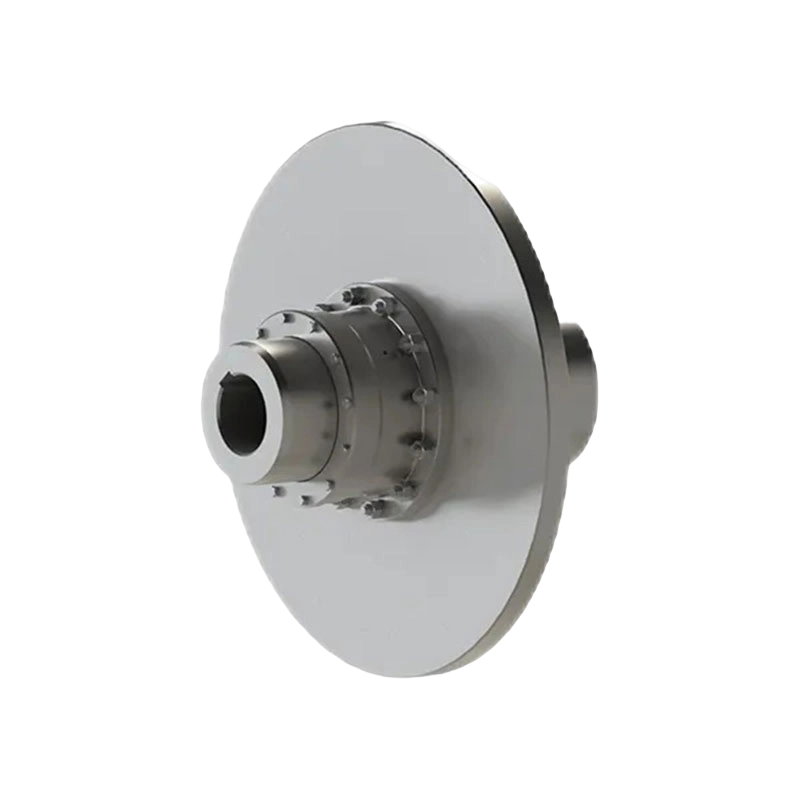
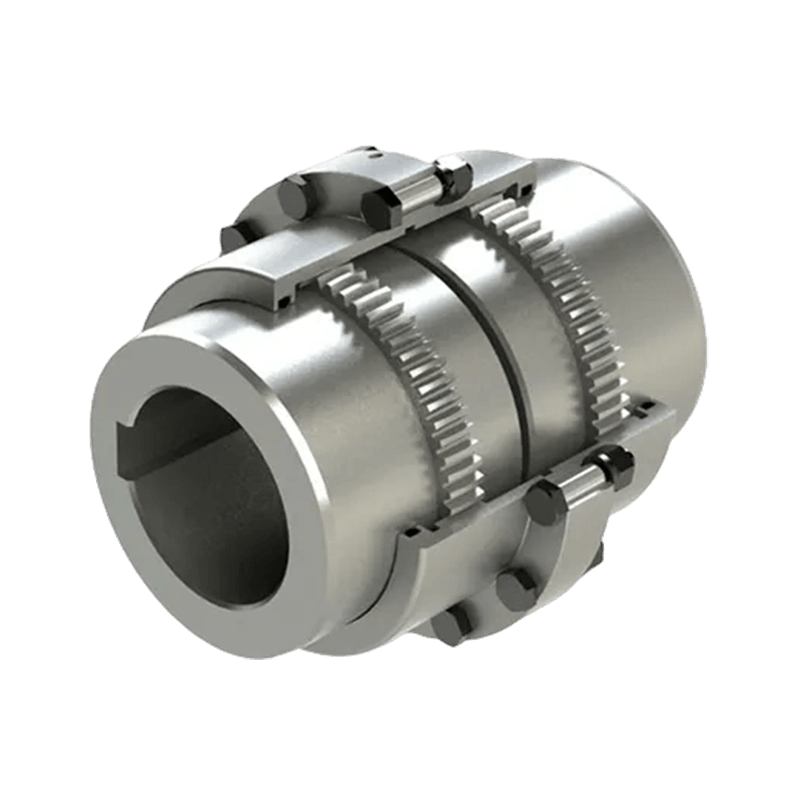
Gear Couplings: Suitable for heavy-duty lifting equipment requiring high torque transmission.
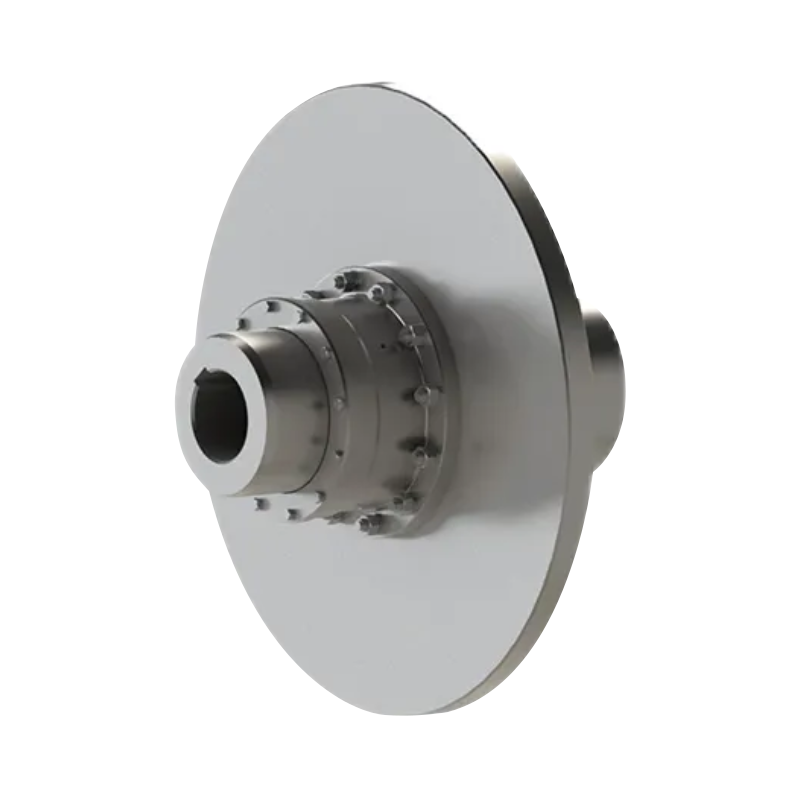
Hydraulic Couplings: Used in dynamic load applications to provide smooth torque transfer and shock absorption.
Advancements in Coupling Technology
With the advancement of materials and engineering, modern couplings are designed for greater durability and efficiency. High-performance materials such as carbon fiber and reinforced polymers are being integrated into coupling designs, reducing weight while maintaining strength. Additionally, smart couplings equipped with sensors for real-time monitoring are enhancing predictive maintenance capabilities.
Conclusion
As the demand for high-performance lifting machinery grows, the role of couplings in ensuring efficiency and safety becomes increasingly significant. Selecting the right type of coupling for specific applications can lead to improved operational reliability, reduced maintenance downtime, and enhanced overall performance. With continuous innovation, couplings will continue to be an essential component in modern lifting machinery, contributing to the advancement of industrial automation and heavy equipment operations.
- Quick Links
- About
- Products
- Our Service
- News & Events
- Contact
- Products Series
- Flexible Couplings with Non-Elastic Elements
- Flexible Couplings with Metal Elastic Elements
- Flexible Couplings with Non-Metallic Elastic Elements
- Safety Coupling
- Rigid Coupling
- Contact Us
- Tel : +86 511 8572 3800 +86 511 8572 3900
- Mobile : +86 15106109009
- Email : sales@couplingzy.com
- Add:No.1 Zhongye Yingbin Avenue, Gaozi Street, Dantu Economic Development Zone, Zhenjiang City, Jiangsu Province, China.


