

 English
  русский
  Español
  عربى
عربى  Português
  Deutsch
  Türk
Türk  Indonesia
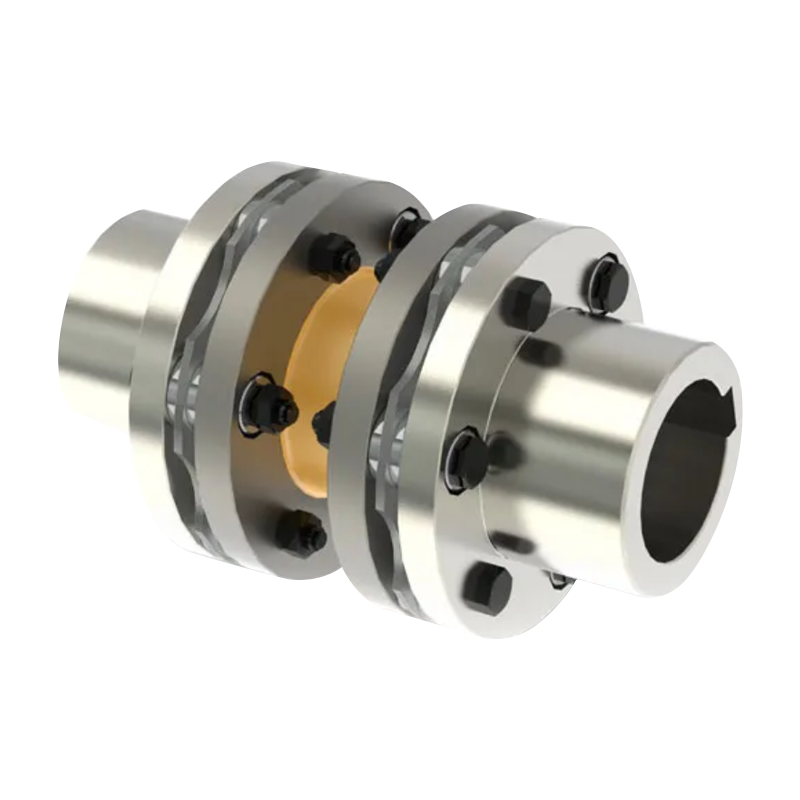
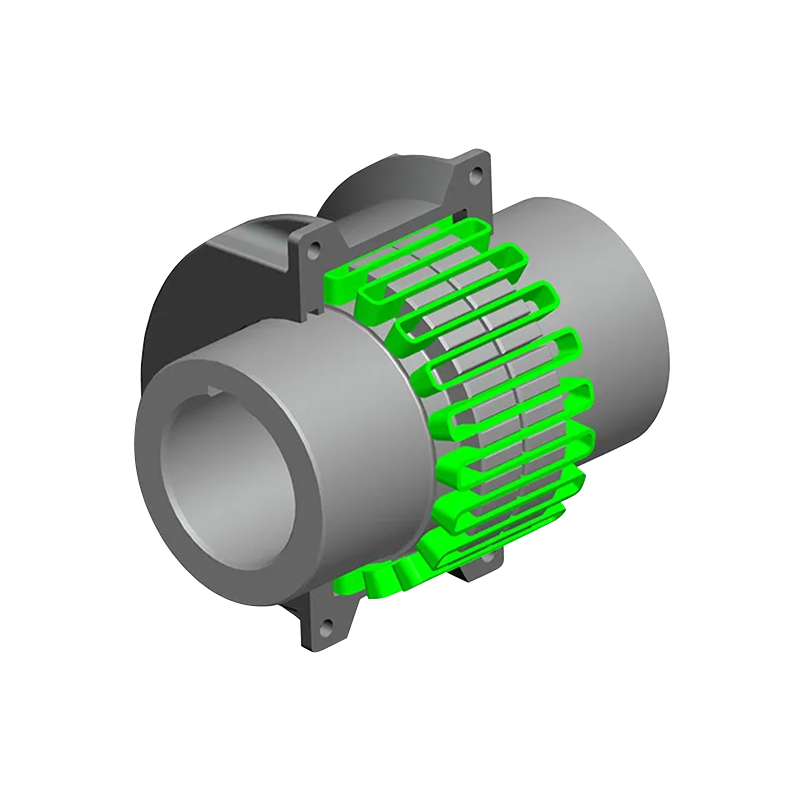
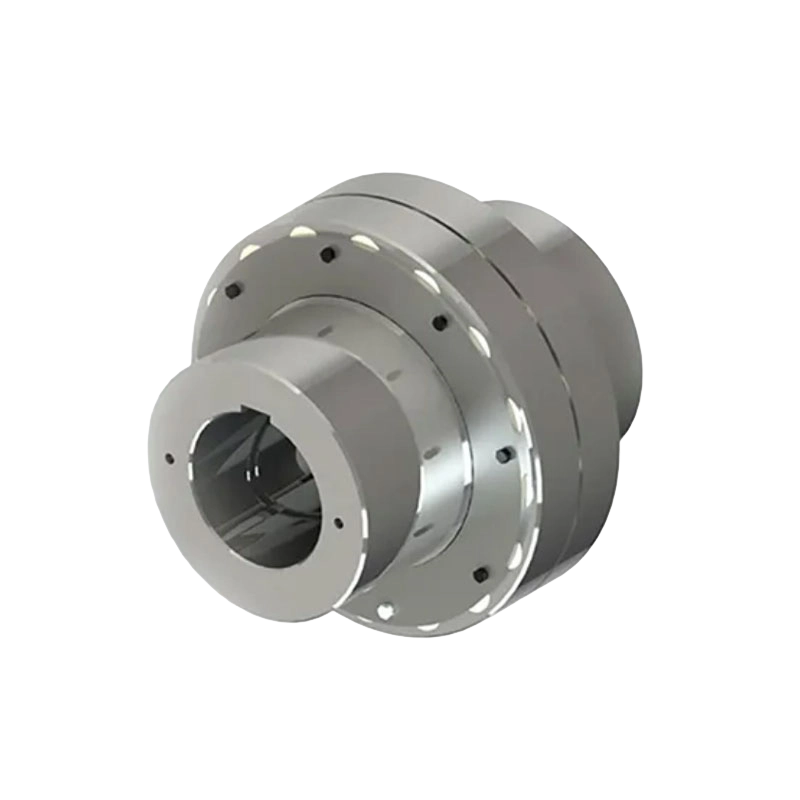
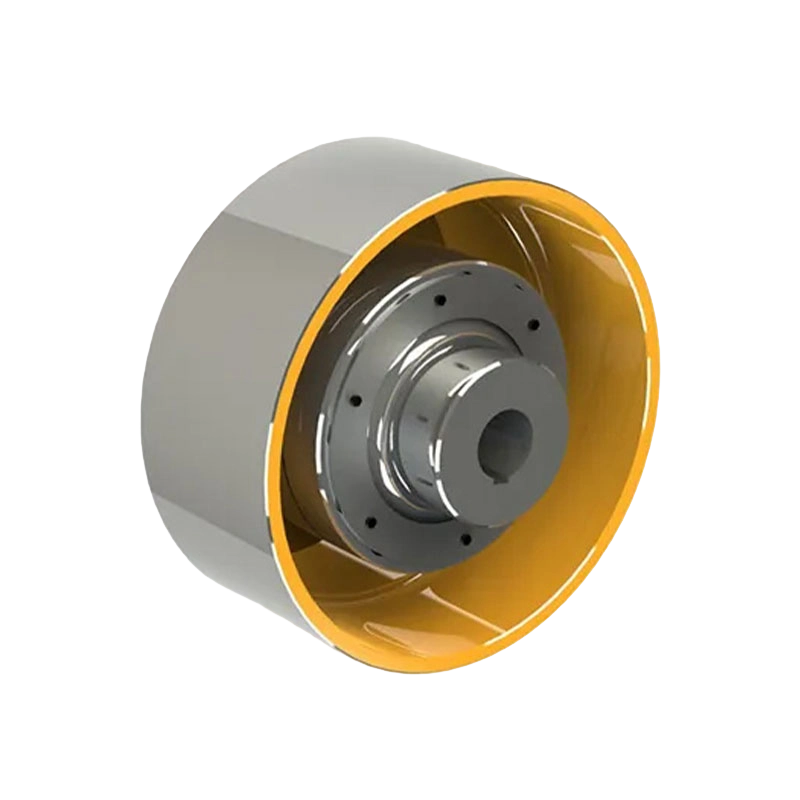
In the industry, snake spring coupling is commonly called grid coupling. Overview The T35 ...

Search
Product Category
Hot Products
Contact Us
+86 511 8572 3800
+86 511 8572 3900
+86 15106109009 Keep in touch
Don't hesitate to send a message
+86 511 8572 3900
+86 15106109009 Keep in touch
Diaphragm/Disc/Grid Coupling Manufacturers
-
-
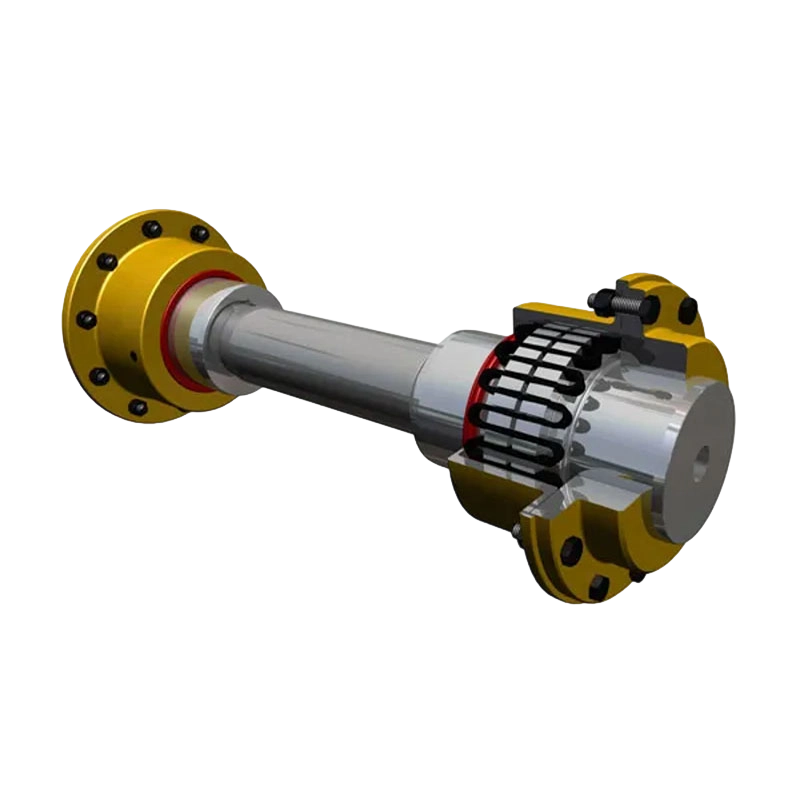 T50 snake spring coupling with connect shaft
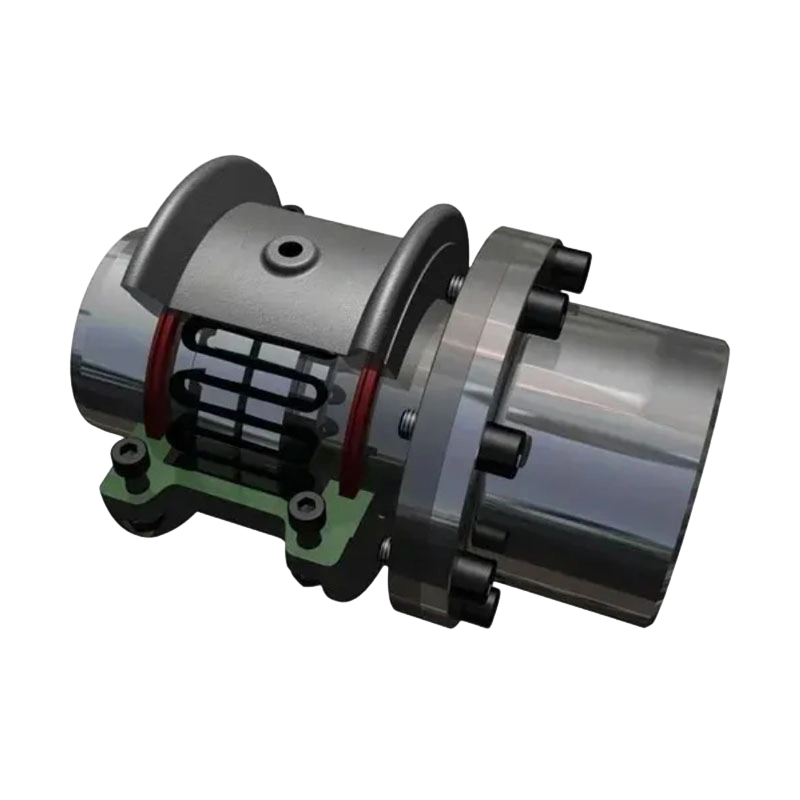
Snake spring coupling is another name for grid coupling. A snake spring coupling with a co...
-
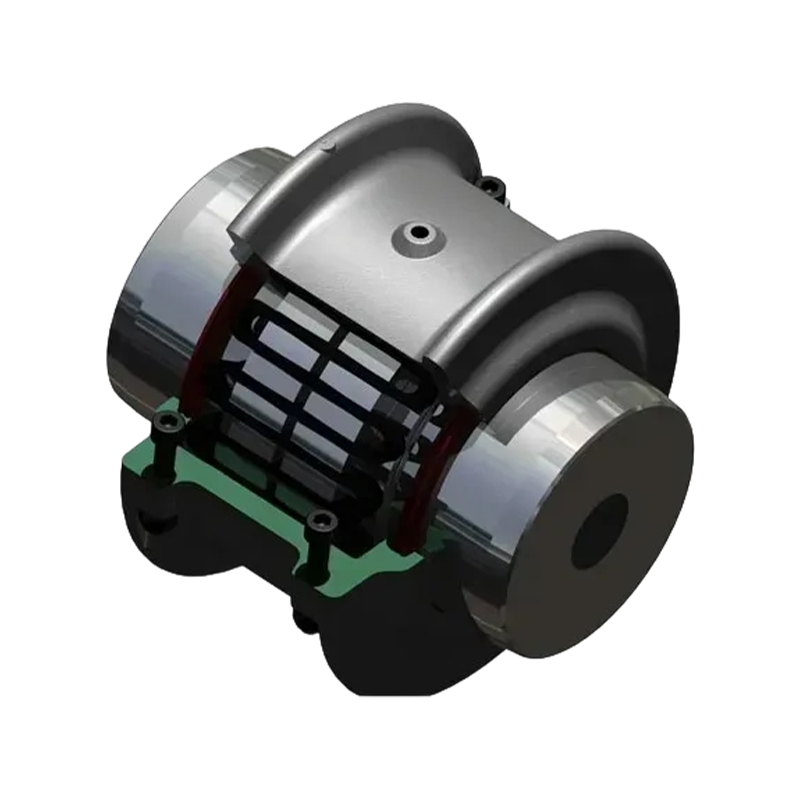 T10 snake spring coupling
The T10 Snake Spring Coupling represents an innovative engineering solution designed for v...
-
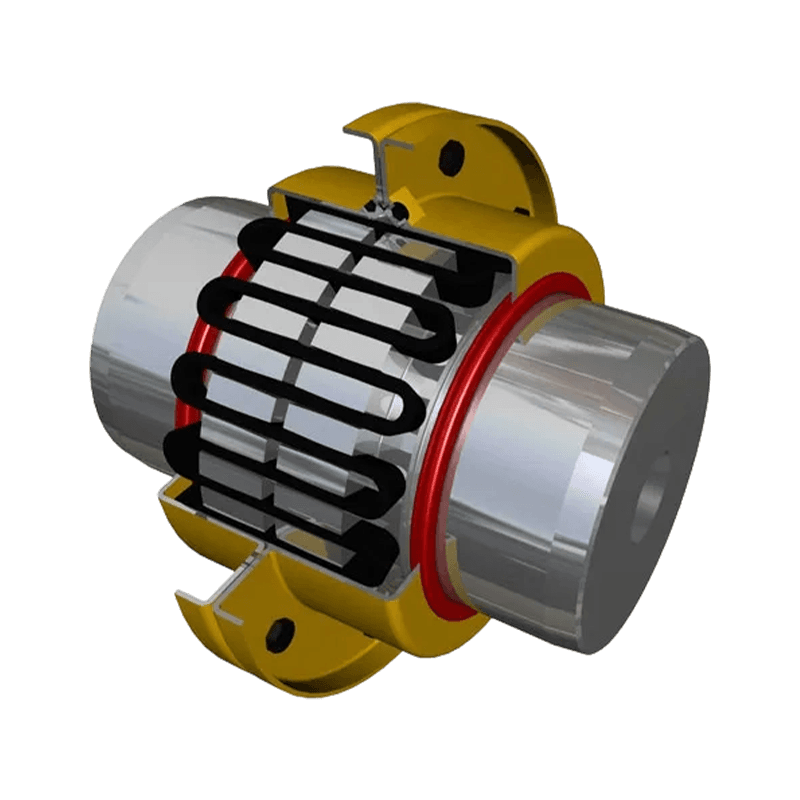 T20 high speed snake spring coupling
A T20 high-speed snake spring coupling is a type of flexible coupling used in mechanical s...
-
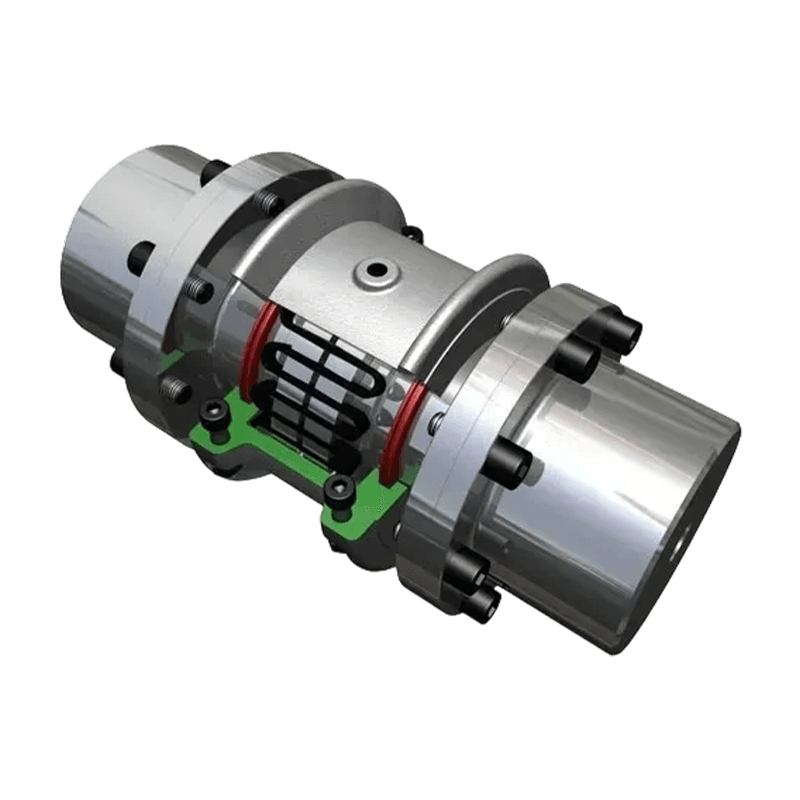 T31 snake spring coupling with double flange
Overview The T31 Snake Spring Coupling with Double Flange is a high-performance flexible c...
The main features of the flexible couplings with metal elastic element are as follows:
High Temperature Resistance
The use of metal elastic components, such as diaphragms and grid springs, allows stable operation under elevated temperatures and high rotational speeds, without concerns related to aging or material degradation.
High Strength
The metal elastic element flexible couplings are designed to transmit high torque while maintaining accurate motion control, offering reliable performance over long service periods without hysteresis or creep.
Zero Gaps
Without elastic delay, metal elastic couplings ensure consistent transmission ratios and are commonly selected for servo and precision drive systems.
Weak Buffering
Compared to non-metallic elastic couplings, its buffering and vibration reduction capabilities are weaker, and higher installation accuracy is required.
Our diaphragm couplings and grid couplings are manufactured with high precision and are designed to deliver stable and reliable performance across a wide range of industrial applications.
Zhongye Heavy Industry Technology (Zhenjiang) Co., Ltd.
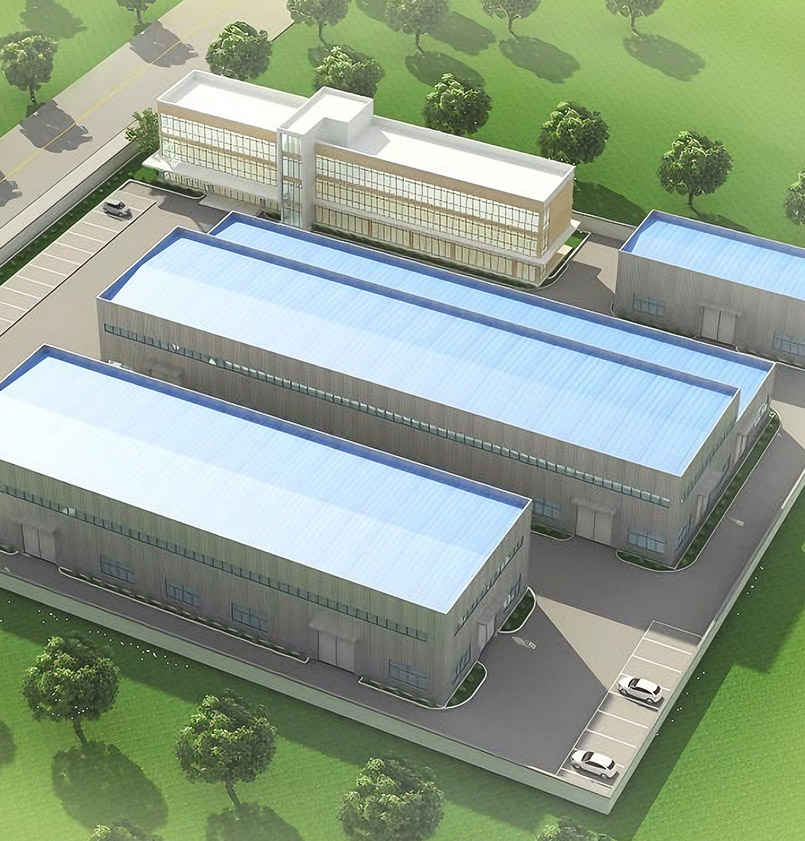
Zhongye Heavy Industry Technology (Zhenjiang) Co., Ltd. is located in a well-known ancient city, Zhenjiang. We are an enterprise integrating R & D, manufacturing, and sales. As China Snake Spring Coupling Manufacturers and Metal Diaphragm Coupling Factory, our products are widely used in metallurgical equipment, mining equipment, water equipment, lifting equipment, paper equipment, port equipment and other industries.
Our main products are toothed coupling, elastic sleeve column pin coupling, elastic column pin coupling, gear coupling with elastic pin, a universal coupling, tire coupling, jaw coupling, star coupling, diaphragm coupling, drum coupling and grid coupling, the Oldham coupling, flange coupling, clip shell coupling, GL type roller chain coupling and a safety coupling, and so on. Our company also undertakes a variety of non - standard coupling designs and manufacturing.
New workshop covers an area of about 16463.52 m². heavy workshop 5,500 M2, Precision workshop 4,600 m², office building and the gymnasium 2000 M2, Dinning hall 500m², Warehouse 1000 m², Roads, greening, parking areas 3563 M2.
View more
Our main products are toothed coupling, elastic sleeve column pin coupling, elastic column pin coupling, gear coupling with elastic pin, a universal coupling, tire coupling, jaw coupling, star coupling, diaphragm coupling, drum coupling and grid coupling, the Oldham coupling, flange coupling, clip shell coupling, GL type roller chain coupling and a safety coupling, and so on. Our company also undertakes a variety of non - standard coupling designs and manufacturing.
New workshop covers an area of about 16463.52 m². heavy workshop 5,500 M2, Precision workshop 4,600 m², office building and the gymnasium 2000 M2, Dinning hall 500m², Warehouse 1000 m², Roads, greening, parking areas 3563 M2.
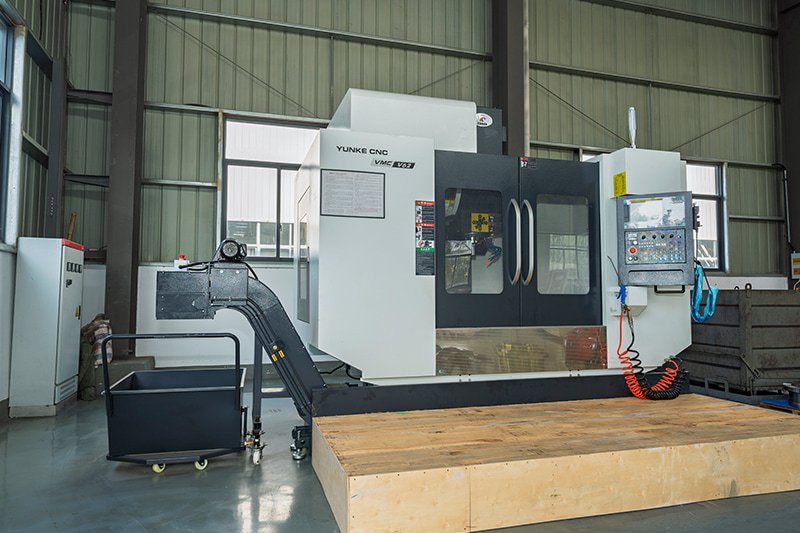
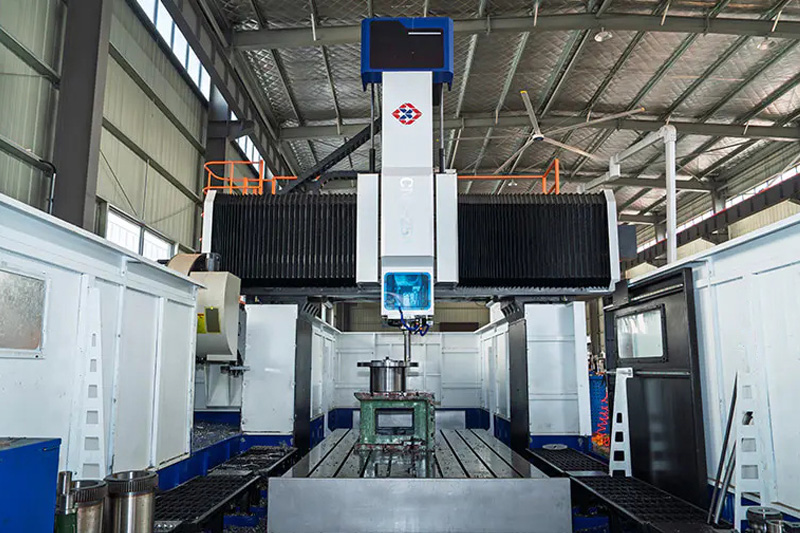
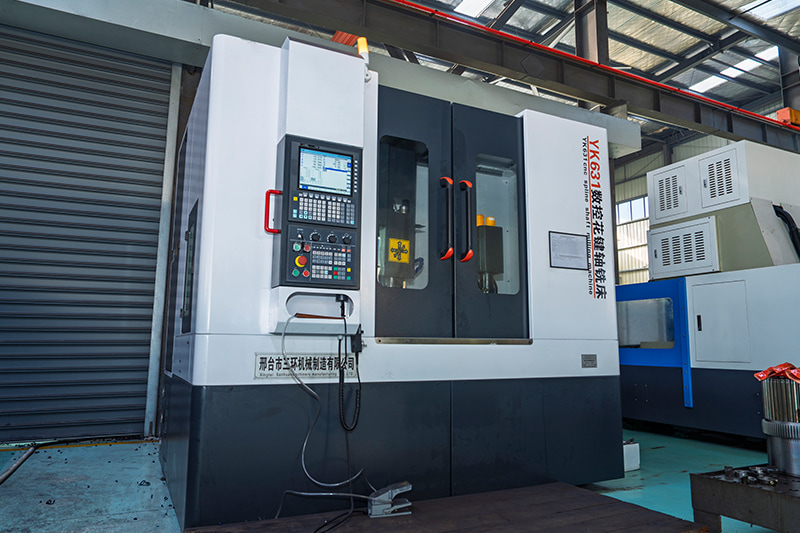
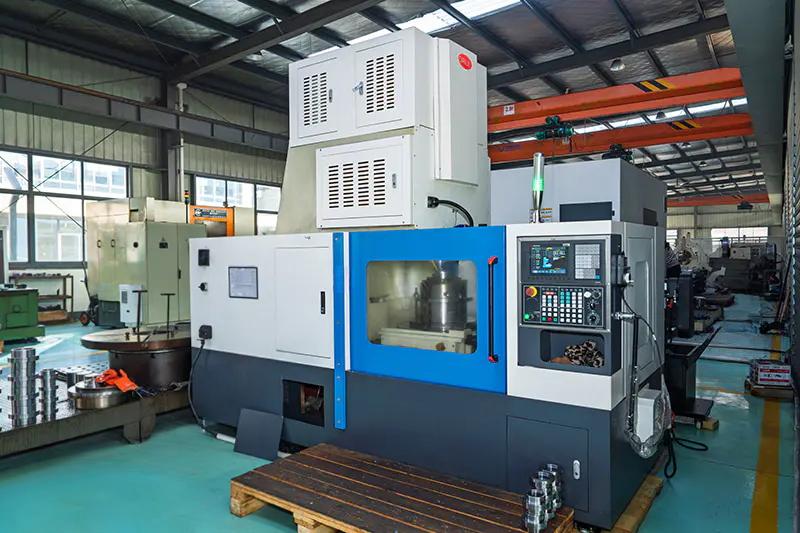
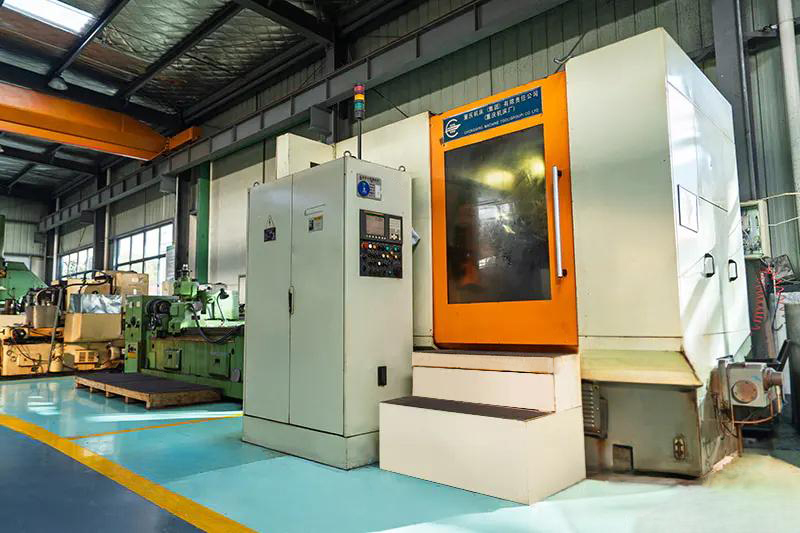
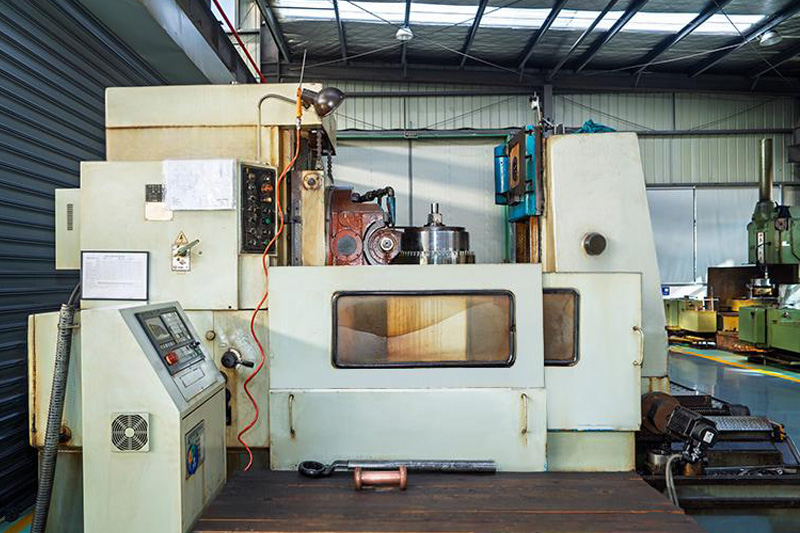
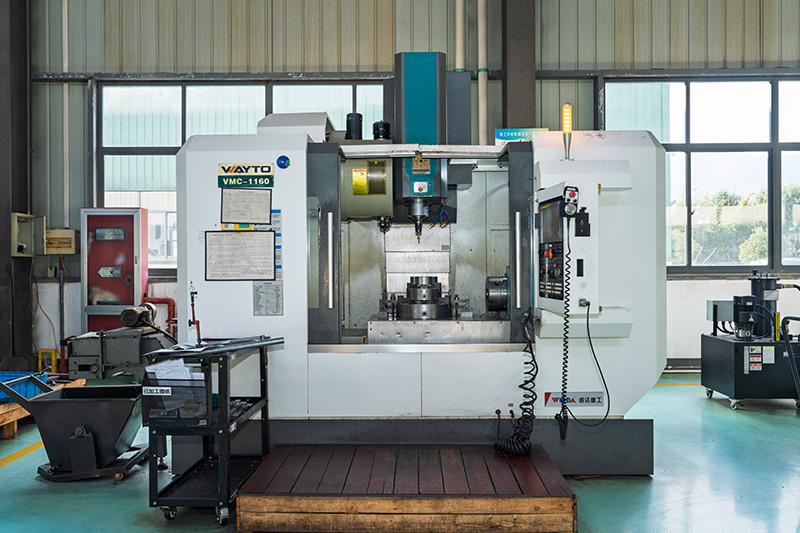
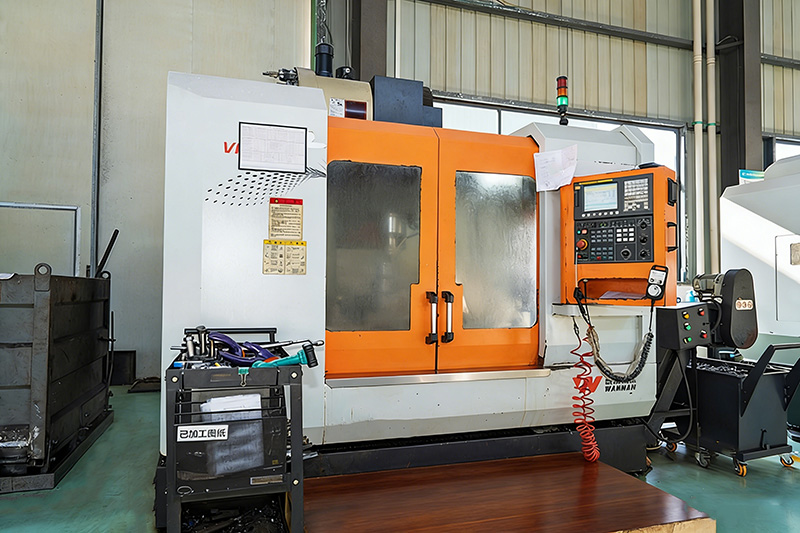
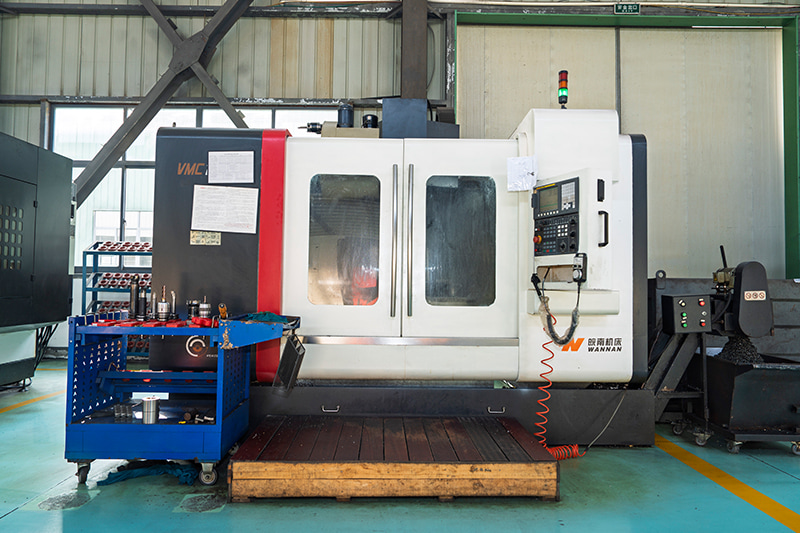
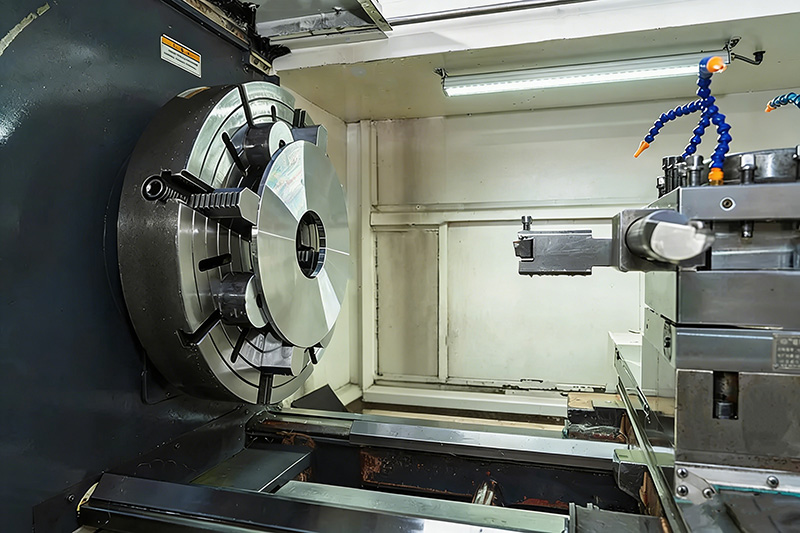
Plant Equipment
FACTORY TOUR
Industry knowledge
Key Advantages of Diaphragm/Disc/Grid Coupling
Diaphragm, disc, and grid couplings are engineered to transmit torque efficiently while maintaining precise rotational motion under high-load conditions. The design of diaphragm couplings incorporates thin, multi-layered metallic discs that flex under load without permanent deformation, allowing for consistent torque transmission with minimal energy loss. Disc couplings achieve a balance between torsional rigidity and flexibility through stacked disc arrangements that maintain alignment and distribute stress evenly across the coupling face. Grid couplings use spring steel grids that absorb torque oscillations and shock loads, preventing localized stress concentrations that could reduce operational life. Zhongye Heavy Industry Technology (Zhenjiang) Co., Ltd. utilizes advanced finite element analysis (FEA) during the design and manufacturing process to ensure that our couplings maintain uniform torque transfer under varying operational conditions. This engineering approach allows our couplings to operate reliably in high-speed compressors, centrifugal pumps, and heavy-duty conveyor systems. High torsional stiffness in our diaphragm and disc couplings also reduces backlash, making us suitable for precision-driven applications where accurate rotational synchronization is critical. In addition, the torque ratings of our couplings can be customized to match specific machinery requirements, ensuring that the system operates efficiently without overloading connected equipment. The combination of material selection, precision engineering, and rigorous testing by Zhongye Heavy Industry Technology (Zhenjiang) Co., Ltd. allows us to provide couplings that consistently deliver high torsional performance, reduce energy loss, and extend machinery life. For industrial operators, the result is reliable torque transfer, improved productivity, and minimized wear on both coupling and shaft components. The design of our couplings also accommodates thermal expansion and operational variability, providing stable torque transmission even under fluctuating temperature and load conditions.
Industrial machinery often experiences misalignment due to installation tolerances, thermal expansion, and structural vibrations. Diaphragm, disc, and grid couplings are designed to compensate for angular, parallel, and axial misalignment, reducing stress on connected shafts and bearings. Diaphragm couplings flex along the disc plane to absorb both angular and axial misalignment while maintaining torque transmission efficiency. Disc couplings accommodate angular misalignment with stacked flexible discs that distribute deformation across multiple layers, while simultaneously compensating for parallel misalignment through lateral flexibility. Grid couplings use spring steel grids that deform elastically to absorb minor misalignments and lateral movement, protecting connected machinery from shocks and wear. Zhongye Heavy Industry Technology (Zhenjiang) Co., Ltd. ensures that our couplings are designed with optimal misalignment tolerance, enabling installation in systems with imperfect alignment without compromising performance. The coupling designs also reduce vibration amplification caused by misaligned shafts, lowering mechanical stress on bearings and seals. Our engineering team can calculate the specific misalignment limits for each coupling based on operational speed, torque, and shaft diameter, allowing us to deliver products that are tailored to the operational environment. By compensating for misalignment, our couplings minimize maintenance requirements, prevent premature wear, and extend the operational life of both machinery and the coupling itself. Applications in heavy lifting equipment, mining machinery, and metallurgical systems benefit from this feature, as our couplings maintain operational stability under dynamic loads and environmental stressors. Zhongye Heavy Industry Technology (Zhenjiang) Co., Ltd. also provides guidance for installation and alignment checks, ensuring that our couplings perform optimally and maintain consistent torque transmission even in challenging industrial conditions.
Diaphragm, disc, and grid couplings provide significant advantages in mitigating vibration and absorbing shock loads, which are common in industrial applications. Vibrations can arise from operational irregularities, fluctuating loads, and mechanical resonance, leading to premature wear or damage in connected machinery. Grid couplings excel at damping shock loads due to the elasticity of spring steel grids, which deform under impact and return to their original shape without permanent damage. Diaphragm and disc couplings flex under torque pulsations and vibrations, distributing stress evenly across discs or diaphragms and reducing peak loads on connected components. Zhongye Heavy Industry Technology (Zhenjiang) Co., Ltd. designs our couplings with specific vibration damping characteristics based on operational requirements, ensuring that our products absorb shock energy efficiently and maintain system stability. The vibration absorption provided by our couplings reduces the transmission of harmful forces to bearings, gearboxes, and other sensitive machinery, enhancing overall reliability. Industrial environments such as mining, port handling, and metallurgical processing often involve fluctuating loads and intermittent shocks, making vibration damping a critical advantage. Our couplings also contribute to noise reduction, improving operator comfort and maintaining a safer working environment. In addition, the elastic characteristics of our couplings allow them to accommodate transient torque spikes without permanent deformation, preventing sudden failures and unplanned downtime. By controlling vibrations and shock loads, Zhongye Heavy Industry Technology (Zhenjiang) Co., Ltd. ensures that our diaphragm, disc, and grid couplings maintain operational integrity, extend the service life of connected machinery, and reduce the frequency of replacement or repair.
Diaphragm, disc, and grid couplings are designed to operate with minimal maintenance, offering an advantage in industrial applications where downtime is costly. Unlike traditional rigid couplings, our couplings do not require continuous lubrication or frequent realignment. Diaphragm and disc couplings rely on high-strength metallic discs that resist fatigue and wear, while grid couplings utilize hardened spring steel grids that maintain tension and elasticity over extended periods. Zhongye Heavy Industry Technology (Zhenjiang) Co., Ltd. manufactures our couplings with precise machining, high-quality materials, and strict tolerance control to minimize wear and extend service intervals. Reduced maintenance translates into lower labor costs, fewer production interruptions, and increased system reliability. Our couplings also facilitate inspection and replacement, as modular designs allow quick access to components without dismantling the entire system. Maintenance considerations are further enhanced by our ability to provide guidance on optimal operating conditions, alignment monitoring, and replacement schedules. Industrial operators benefit from long mean time between failures (MTBF), allowing continuous operation in heavy-duty applications such as water treatment, lifting, and metallurgical systems. By reducing maintenance requirements, Zhongye Heavy Industry Technology (Zhenjiang) Co., Ltd. enables clients to optimize resource allocation, minimize operational disruption, and achieve higher overall equipment effectiveness (OEE). The durability and low-maintenance characteristics of our couplings also contribute to cost-effectiveness over the product’s lifecycle, making them suitable for both new installations and retrofitting older equipment.
Diaphragm, disc, and grid couplings enhance operational safety by mitigating the impact of torque spikes, misalignment, and vibration on connected machinery. Grid couplings function as a mechanical buffer during sudden overloads, temporarily absorbing energy and preventing damage to shafts, bearings, or other critical components. Diaphragm and disc couplings flex under stress, reducing the likelihood of catastrophic failure and ensuring continued torque transmission during transient overload conditions. Zhongye Heavy Industry Technology (Zhenjiang) Co., Ltd. tests our couplings for fatigue resistance, torque overload capacity, and vibration endurance to ensure compliance with rigorous industrial safety standards. The flexible nature of our couplings also protects connected machinery from secondary failures caused by misalignment or unexpected mechanical shock. This safety advantage extends to personnel, as reduced vibration, noise, and sudden mechanical failure risks contribute to a safer operating environment. Couplings produced by Zhongye Heavy Industry Technology (Zhenjiang) Co., Ltd. maintain stability under diverse operational conditions, including high-speed rotation, heavy loads, and variable torque, ensuring that machinery continues operating safely without interruption. By providing high operational safety, our diaphragm, disc, and grid couplings prevent costly accidents, reduce downtime due to failure, and preserve the integrity of both equipment and workforce.
Get In Touch
Follow us
- Quick Links
- About
- Products
- Our Service
- News & Events
- Contact
- Products Series
- Flexible Couplings with Non-Elastic Elements
- Flexible Couplings with Metal Elastic Elements
- Flexible Couplings with Non-Metallic Elastic Elements
- Safety Coupling
- Rigid Coupling
- Contact Us
- Tel : +86 511 8572 3800 +86 511 8572 3900
- Mobile : +86 15106109009
- Email : [email protected]
- Add:No.1 Zhongye Yingbin Avenue, Gaozi Street, Dantu Economic Development Zone, Zhenjiang City, Jiangsu Province, China.


