:+86 15106109009
:sales@couplingzy.com


 English
  русский
  Español
  عربى
عربى  Português
  Deutsch
  Türk
Türk  Indonesia

What Are the Different Types of Shaft Couplings and How to Choose the Right One?
Content
- 1 Which Shaft Coupling Type Should You Choose First?
- 2 What Are the Main Shaft Coupling Types and How Do They Differ?
- 3 How Does Each Coupling Type Perform in Real Industrial Environments?
- 4 How to Select the Right Shaft Coupling Based on Working Conditions?
- 5 What Factors Most Influence Coupling Performance?
- 6 What Mistakes Are Common When Choosing Shaft Coupling Types?
- 7 How Are Shaft Coupling Types Evolving with Industry Trends?
- 8 How Does Proper Coupling Selection Impact Long-Term Equipment Performance?
- 9 References
Which Shaft Coupling Type Should You Choose First?
in most industrial applications, flexible couplings are the safest starting point; for high-speed or high-precision systems, disc couplings are more appropriate; and for heavy-duty, high-torque conditions, gear couplings provide the most reliable performance.
This conclusion is not theoretical but based on real engineering practice. For example, in a pump system driven by an 11kW motor, a shaft misalignment of approximately 0.3mm is very common. If a rigid coupling is used in such a case, bearing temperature rise and vibration will increase significantly, often leading to wear or failure within months. After switching to a flexible coupling, vibration levels can drop from 4.2mm/s to around 2.0mm/s, and the system becomes noticeably more stable.
In practical terms, selecting a coupling starts with identifying the working condition rather than focusing on product models or brands.
What Are the Main Shaft Coupling Types and How Do They Differ?
Shaft coupling types can be clearly understood by comparing their ability to handle misalignment, torque, and speed. The following table summarizes key differences:
| Type | Misalignment Compensation | Torque Capacity | Speed Capability | Typical Use Experience |
|---|---|---|---|---|
| Rigid Coupling | None | Medium | <3000 rpm | Highly efficient but sensitive to misalignment |
| Flexible Coupling | 0.2–0.5 mm | Medium | <5000 rpm | Smooth operation, effective vibration damping |
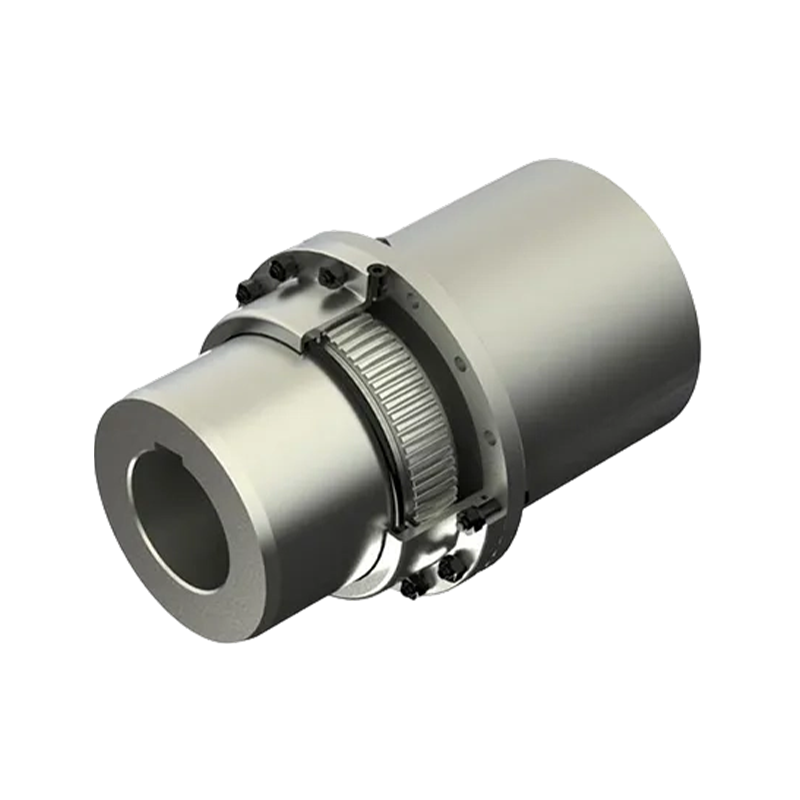
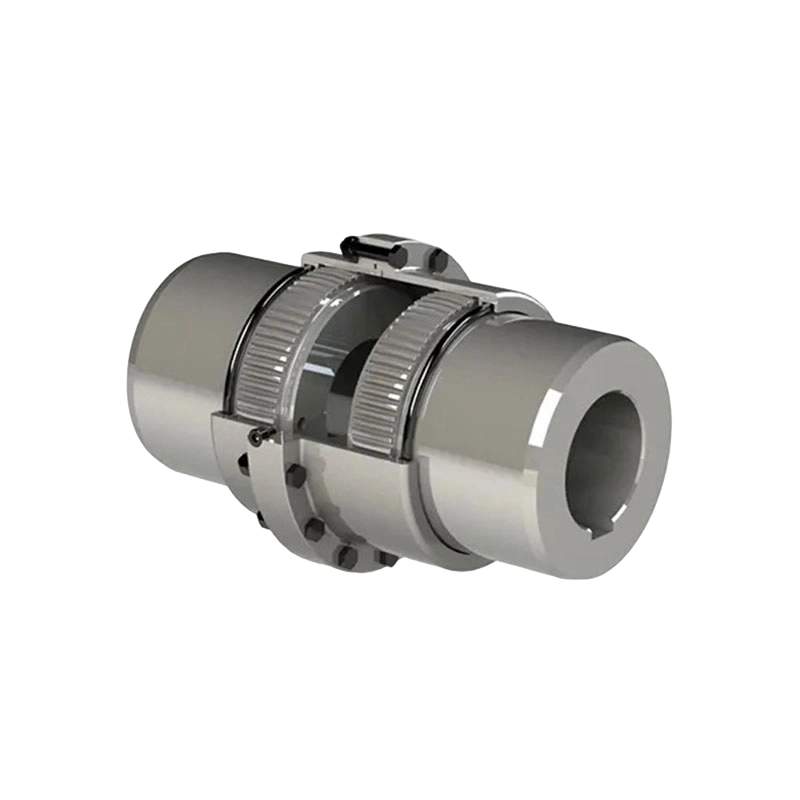
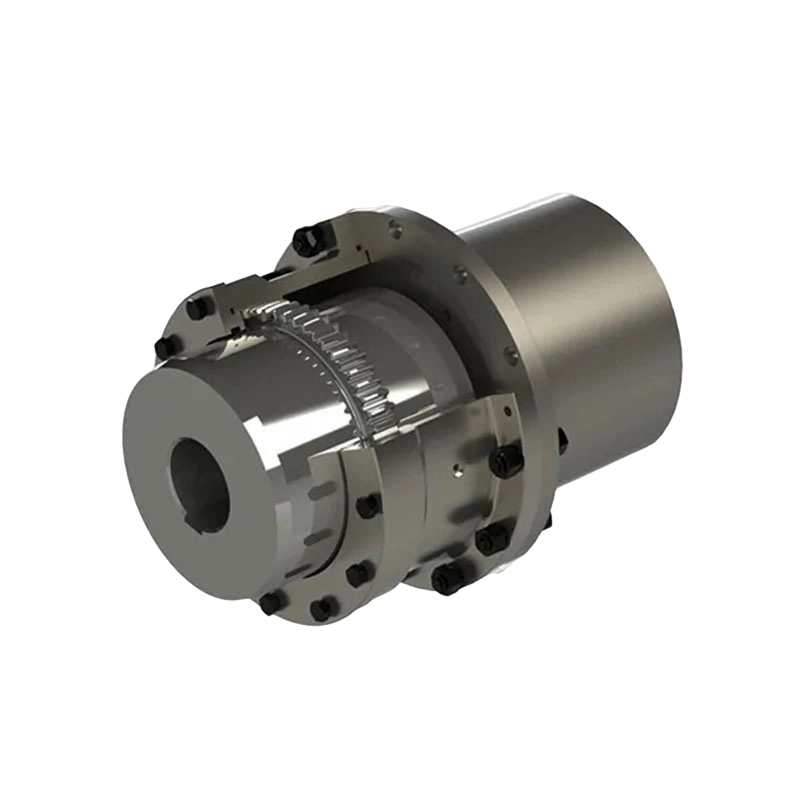
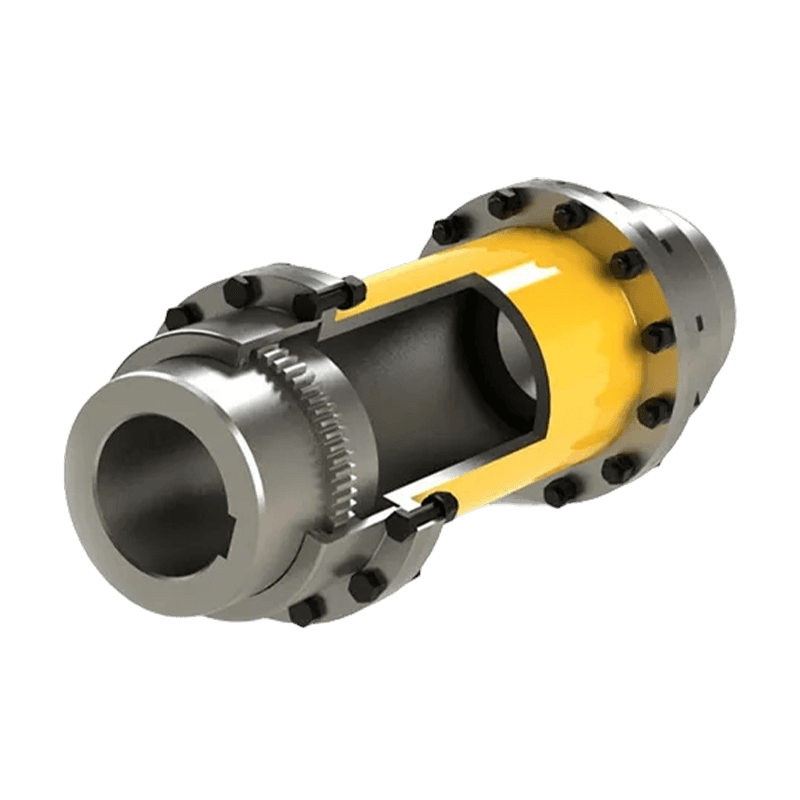
| Gear Coupling | >1° angular | Very high | <4000 rpm | Handles heavy loads but requires lubrication |
| Disc Coupling | High-precision micro compensation | Medium | Up to 10000 rpm | Zero backlash, ideal for precision systems |
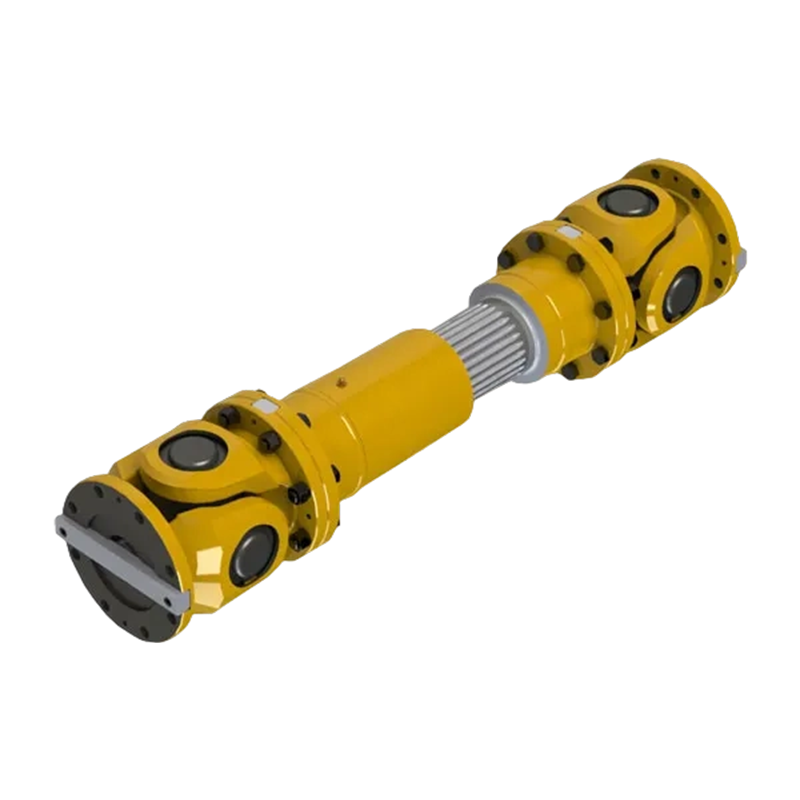
| Universal Coupling | >15° angular | Low–medium | <2000 rpm | Best for large angular deviations |
From field usage data, flexible couplings account for more than 60% of standard industrial applications due to their balance of cost, performance, and ease of installation.
How Does Each Coupling Type Perform in Real Industrial Environments?
Specifications alone do not fully reflect how couplings behave in real conditions. Observations from industrial environments provide clearer insights:
- Flexible couplings reduce vibration levels by approximately 20%–30% in pump and fan systems, improving bearing life.
- Disc couplings maintain positioning accuracy within 0.01mm in CNC machines, directly affecting product quality.
- Gear couplings withstand impact loads exceeding 50,000 N·m in steel and mining equipment.
In one automated assembly line operating at around 4500 rpm, operators observed frequent vibration alarms when using a standard coupling. After switching to a disc coupling, vibration stabilized, and product consistency improved by approximately 15%. This change also reduced maintenance frequency.
These examples show that coupling selection directly affects not only machine operation but also product quality and maintenance costs.
How to Select the Right Shaft Coupling Based on Working Conditions?
Instead of relying solely on catalogs, engineers often follow a practical decision process based on actual working conditions:
| Condition | Recommended Coupling | Reason |
|---|---|---|
| High vibration or shock loads | Flexible Coupling | Absorbs vibration and protects components |
| High precision requirement | Disc Coupling | No backlash ensures accuracy |
| Heavy load and high torque | Gear Coupling | Superior load capacity |
| Large angular misalignment | Universal Coupling | Handles extreme alignment deviations |
| Perfect alignment and low cost | Rigid Coupling | Simple structure and high efficiency |
For example, when system speed exceeds 3000 rpm, using a standard flexible coupling without proper balancing may result in vibration amplification. In such cases, a disc coupling provides a more stable solution.
What Factors Most Influence Coupling Performance?
Several key factors determine how well a coupling performs in real applications:
- Torque: A 15kW motor typically requires around 90–100 N·m torque. Engineers usually apply a safety factor of at least 1.5.
- Misalignment: Installation deviations commonly range between 0.1–0.5 mm, which significantly affects coupling lifespan.
- Speed: At speeds above 3000 rpm, dynamic balance becomes critical to avoid vibration issues.
- Environment: High temperatures (above 80°C) or corrosive conditions accelerate material degradation.
Field data indicates that approximately 15% of rotating equipment failures are related to coupling issues, most of which are caused by ignoring these factors during selection.
What Mistakes Are Common When Choosing Shaft Coupling Types?
Several recurring mistakes are observed in industrial environments:
- Choosing based on price alone rather than total lifecycle cost
- Ignoring shaft misalignment, leading to continuous stress and early failure
- Underestimating torque requirements without sufficient safety margin
In one case, a ventilation system experienced coupling cracks within three months due to underestimated torque. After upgrading to a higher-rated coupling, the system operated continuously for over two years without failure, reducing downtime and maintenance costs.
How Are Shaft Coupling Types Evolving with Industry Trends?
As industries move toward higher efficiency and automation, coupling technology is evolving in several directions:
- Lightweight materials: Composite materials reduce weight by 20%–40% while maintaining strength
- Maintenance-free designs: Reduce downtime and labor requirements
- Smart monitoring: Integration of sensors enables real-time monitoring of vibration and temperature
In advanced manufacturing systems, couplings are increasingly used as indicators of machine health, providing valuable data for predictive maintenance strategies.
How Does Proper Coupling Selection Impact Long-Term Equipment Performance?
Over longer operating periods, the benefits of correct coupling selection become more evident. A properly selected coupling can extend bearing life, reduce maintenance frequency, and improve overall system efficiency.
For example, in a production line running continuously for 20 hours per day, reducing vibration by even 30% can significantly decrease fatigue on rotating components. Over a year, this can translate into fewer shutdowns and measurable cost savings.
In contrast, improper selection often leads to repeated failures, increased spare part consumption, and unplanned downtime, which are far more costly than the initial price difference between coupling types.
References
- Budynas, R. G., & Nisbett, J. K. (2020). Mechanical Engineering Design. McGraw-Hill Education.
- Shigley, J. E. (2019). Shigley’s Mechanical Engineering Design. McGraw-Hill.
- Smith, J. (2021). Industrial Couplings and Applications. Mechanical Systems Journal, 48(2), 55-68.
- Chen, L., & Wang, H. (2022). Analysis of Coupling Failures in Rotating Equipment. Journal of Machinery Engineering, 37(5), 102-110.

- Quick Links
- About
- Products
- Our Service
- News & Events
- Contact
- Products Series
- Flexible Couplings with Non-Elastic Elements
- Flexible Couplings with Metal Elastic Elements
- Flexible Couplings with Non-Metallic Elastic Elements
- Safety Coupling
- Rigid Coupling
- Contact Us
- Tel : +86 511 8572 3800 +86 511 8572 3900
- Mobile : +86 15106109009
- Email : sales@couplingzy.com
- Add:No.1 Zhongye Yingbin Avenue, Gaozi Street, Dantu Economic Development Zone, Zhenjiang City, Jiangsu Province, China.


