:+86 15106109009
:sales@couplingzy.com


 English
  русский
  Español
  عربى
عربى  Português
  Deutsch
  Türk
Türk  Indonesia

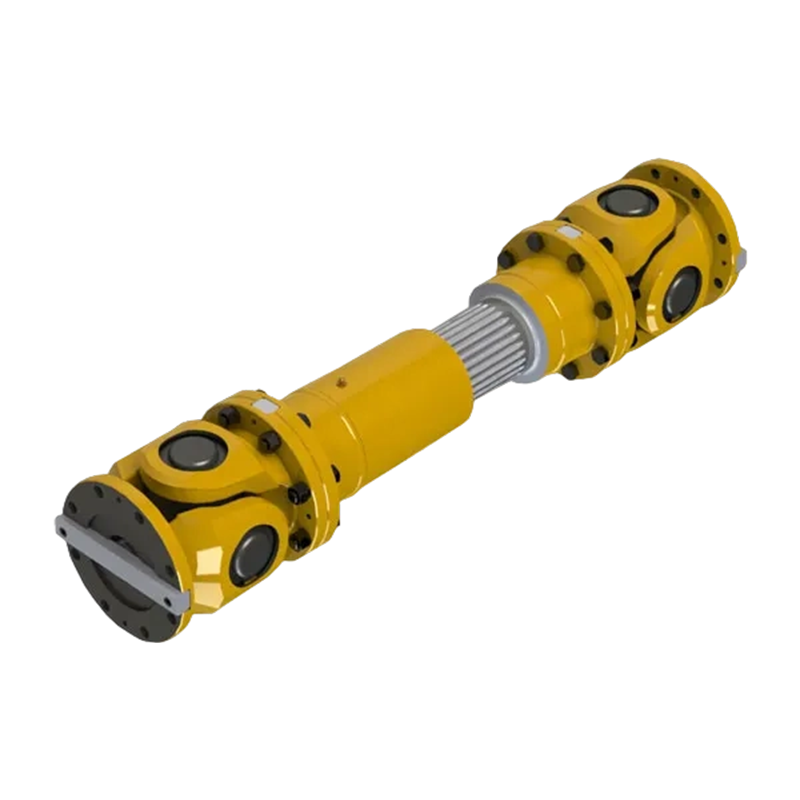
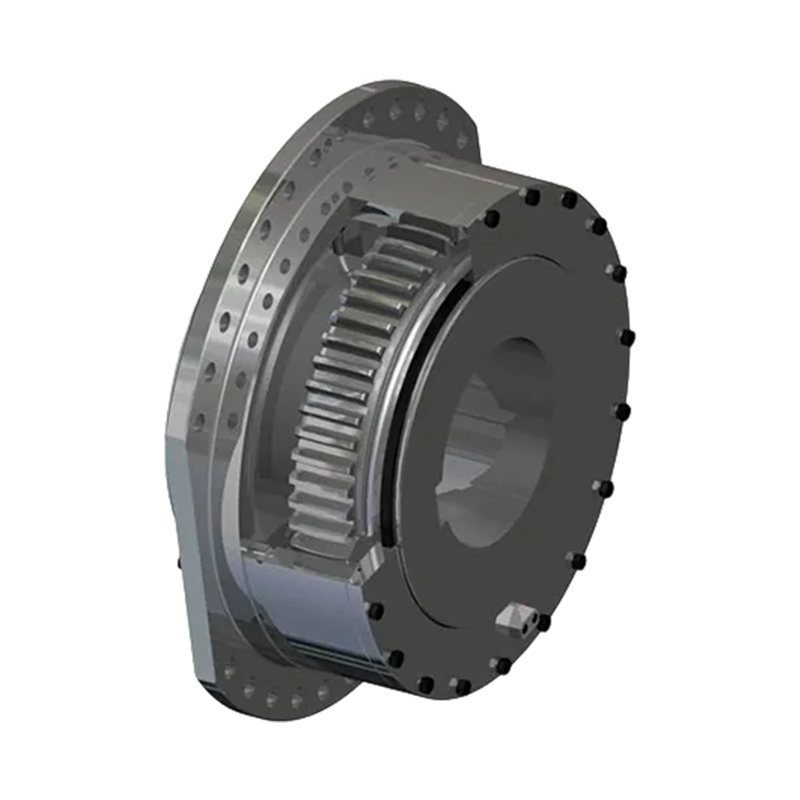
The differences between drum couplings and other types of couplings
The price of coupling is influenced by various factors, including model, specification, material, production process, and supplier, etc. Different drum couplings may have significant price differences. Drum couplings usually have the characteristics of simple structure and convenient maintenance. To determine which is cheaper between drum couplings and universal couplings, a comprehensive comparison based on specific application scenarios, model specifications, and supplier quotations is required. It is recommended to consider the performance, reliability, and applicability of the coupling when choosing it, while also taking cost factors into account comprehensively. Drum couplings have a large load-bearing capacity and can withstand large radial loads, effectively transmitting torque and meeting the needs of various mechanical equipment.
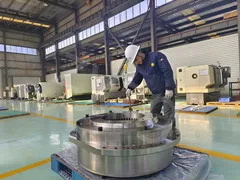
In the case of overload, the drum coupling can also maintain a certain degree of elasticity and toughness, preventing damage to the mechanical system, enhancing the reliability and service life of the equipment. It has excellent alignment performance, capable of adapting to minor deviations between the two shafts, ensuring the coaxiality and parallelism of the mechanical system, and reducing vibration and noise. The structural design of the drum coupling is reasonable, and the installation and adjustment process is simple and quick, reducing maintenance costs and workload.
The drum coupling has the capabilities of oil-proofing, moisture-proofing, aging resistance and radiation protection. It can be applied in various scenarios and is easy to install and maintain. At the same time, it can adjust the inherent frequency of the shaft system, reduce the amplitude of torsional vibration, thereby buffering and protecting the components of the transmission device, improving the alignment performance, and enhancing the stability of the output power.

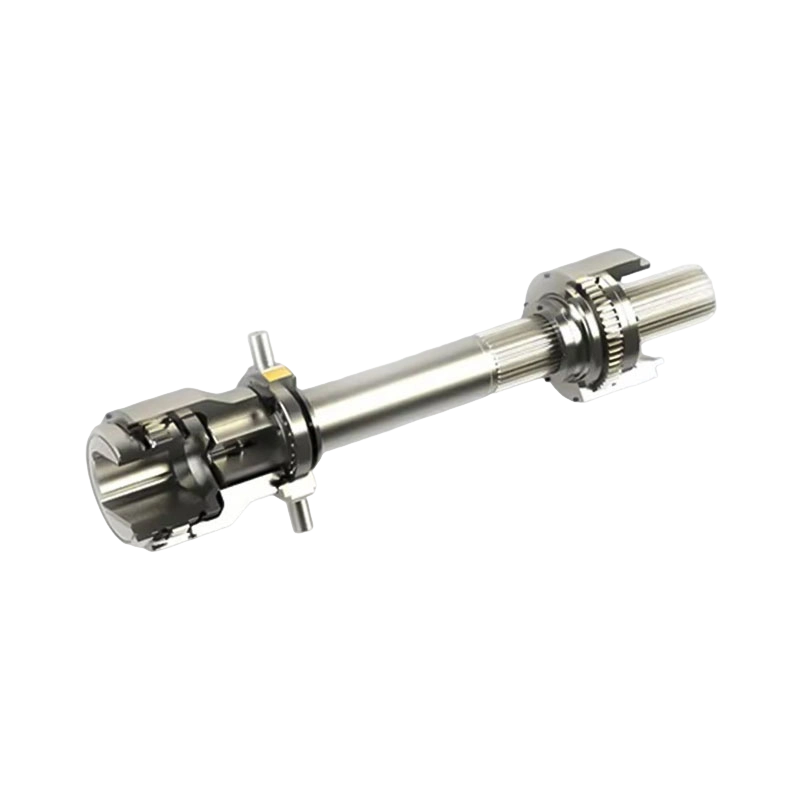
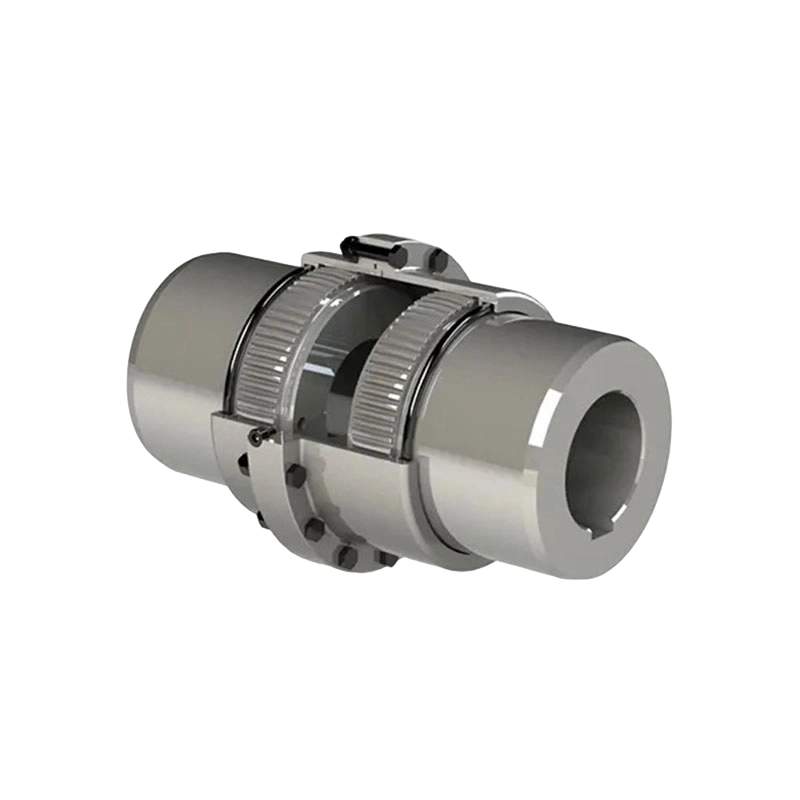
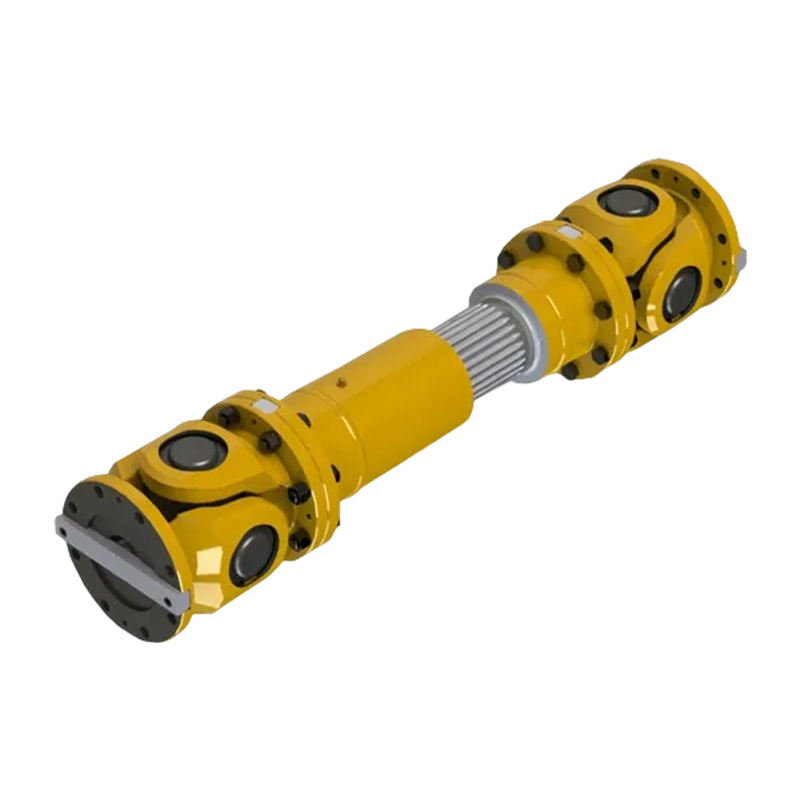
- Quick Links
- About
- Products
- Our Service
- News & Events
- Contact
- Products Series
- Flexible Couplings with Non-Elastic Elements
- Flexible Couplings with Metal Elastic Elements
- Flexible Couplings with Non-Metallic Elastic Elements
- Safety Coupling
- Rigid Coupling
- Contact Us
- Tel : +86 511 8572 3800 +86 511 8572 3900
- Mobile : +86 15106109009
- Email : sales@couplingzy.com
- Add:No.1 Zhongye Yingbin Avenue, Gaozi Street, Dantu Economic Development Zone, Zhenjiang City, Jiangsu Province, China.


