:+86 15106109009
:sales@couplingzy.com


 English
  русский
  Español
  عربى
عربى  Português
  Deutsch
  Türk
Türk  Indonesia

Is High-Performance Metal Elastic Coupling the Ultimate Key to Achieving Zero Backlash and Maximizing Reliability in Precision Drive Systems?
Content
- 1 What Is a Metal Elastic Element Coupling?
- 2 How Metal Elastic Elements Provide Flexibility
- 3 Why "High-Strength" Matters
- 4 Advantages Over Elastomeric Couplings
- 5 Key Performance Characteristics to Evaluate
- 6 Common Industrial Applications
- 7 Installation Best Practices
- 8 Maintenance and Inspection Practices
- 9 Comparing Metal Elastic Couplings to Other Flexible Coupling Types
- 10 Selecting the Right Manufacturer and Product Line
- 11 Future Trends in Metal Elastic Coupling Design
In rotating machinery, the coupling connecting two shafts is often overlooked until it fails — yet it plays a decisive role in how reliably power is transmitted, how much vibration reaches connected equipment, and how forgiving a drivetrain is to real-world misalignment. The high-strength metal elastic element coupling has become a preferred solution across heavy industry precisely because it addresses these concerns without relying on rubber or elastomeric components that wear out, age, and degrade under heat or chemical exposure. This article explores what these couplings are, how their metal elastic elements function, why they are chosen over other coupling types, and what engineers should evaluate when specifying them for demanding industrial applications.
What Is a Metal Elastic Element Coupling?
A coupling is a mechanical device used to connect two shafts, typically the output shaft of a driver (such as a motor or engine) and the input shaft of a driven machine (such as a pump, gearbox, or compressor), allowing torque to be transmitted between them. Rigid couplings connect shafts with no flexibility, which demands near-perfect shaft alignment. Flexible couplings, by contrast, are designed to accommodate small amounts of misalignment, shaft end movement, and torsional variation while still transmitting torque efficiently.
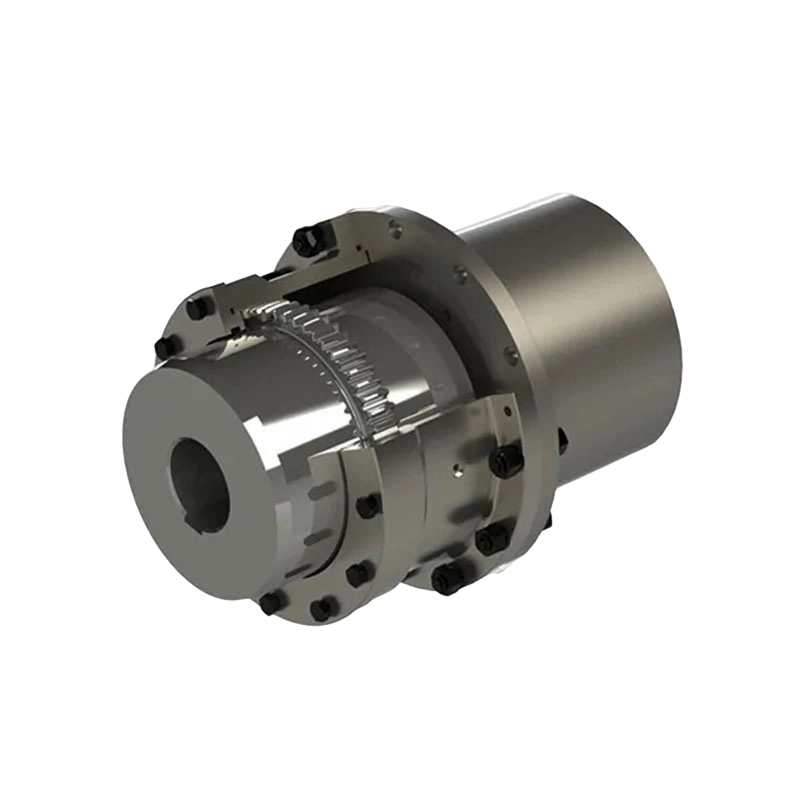
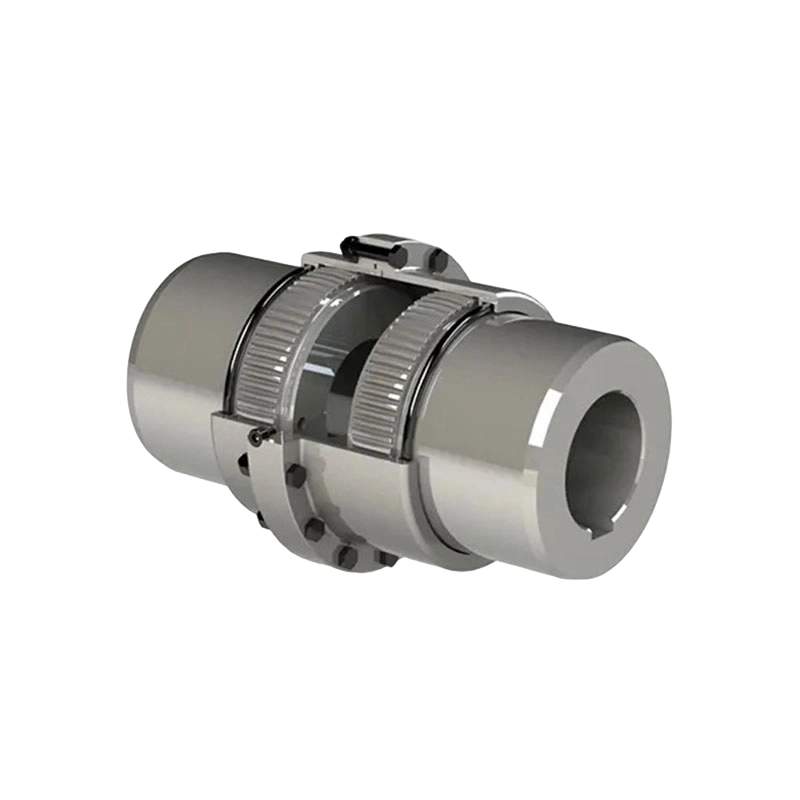
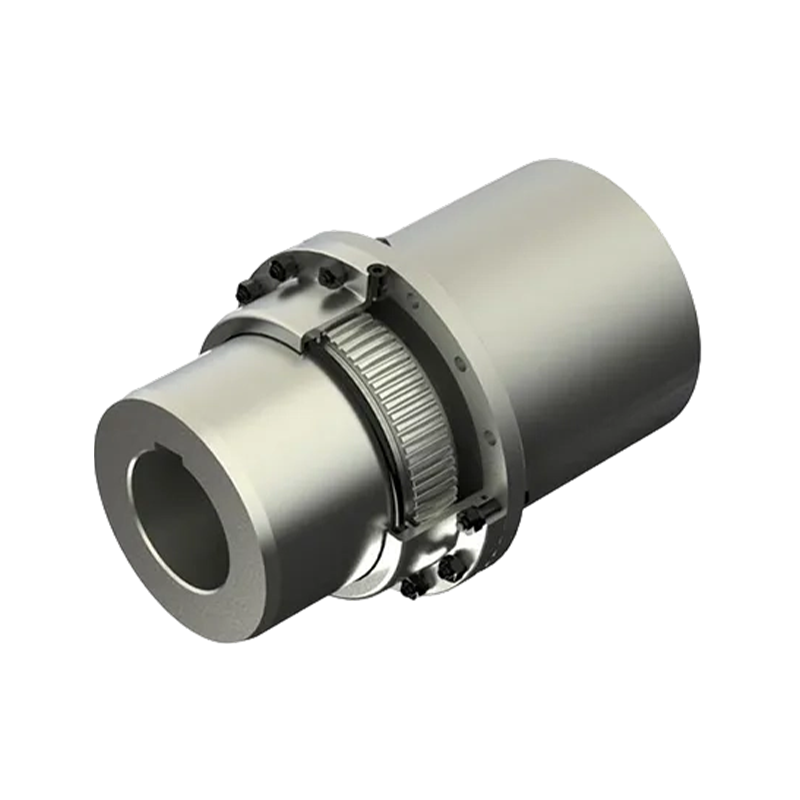
A metal elastic element coupling achieves this flexibility not through rubber bushings or elastomeric spiders, as many traditional flexible couplings do, but through thin, carefully engineered metal components — typically stainless steel or high-strength alloy steel discs, diaphragms, or laminated plate packs — that flex slightly under load to absorb misalignment while remaining torsionally stiff enough to transmit torque with minimal backlash. This metal-based flexibility is the defining feature that separates these couplings from their elastomeric counterparts.
How Metal Elastic Elements Provide Flexibility
The core engineering principle behind a metal elastic element coupling is that thin metal, when shaped and mounted correctly, can flex elastically within its design limits without permanent deformation or fatigue failure, provided the stress remains within the material's elastic range across millions of load cycles.
Disc Pack Designs
One of the most common metal elastic element configurations uses a stack of thin, contoured stainless steel discs, bolted alternately to the driving and driven hubs. As the shafts experience slight misalignment or axial movement, the disc pack flexes to accommodate the deviation while still transferring torque rigidly through the bolt pattern. Multiple thin discs stacked together distribute stress more evenly than a single thicker disc would, improving fatigue life.
Diaphragm Designs
Diaphragm couplings use a single contoured metal diaphragm, often shaped with a slight cone or wave profile, connected to the hubs at its inner and outer diameters. The diaphragm flexes similarly to the disc pack concept but in a single continuous membrane rather than a stack of discs, offering a different balance of torsional stiffness, misalignment capacity, and axial flexibility depending on the application.
Laminated Ring or Grid Designs
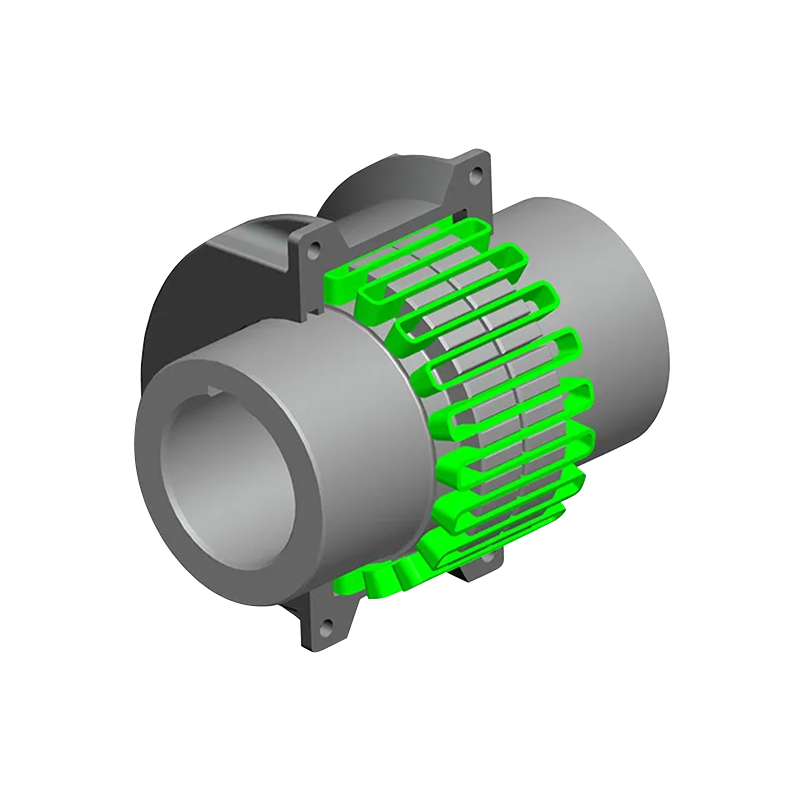
Some high-strength metal elastic couplings use a laminated ring of thin, flexible metal strips or a serpentine grid element that flexes to accommodate misalignment while distributing torque transmission across multiple contact points, offering a degree of shock absorption alongside flexibility.
| Design Type | Flexibility Mechanism | Typical Strength |
|---|---|---|
| Disc pack | Stack of thin contoured metal discs | Very high torque capacity |
| Diaphragm | Single contoured metal membrane | High torque, compact design |
| Laminated ring / grid | Flexible metal strip or grid element | Moderate to high, added shock absorption |
Why "High-Strength" Matters
Not all metal elastic couplings are engineered to the same performance standard. The "high-strength" designation typically refers to the use of premium alloy or stainless steel materials, precision manufacturing tolerances, and design validation through fatigue testing, all aimed at ensuring the coupling can reliably transmit substantial torque loads over an extended service life without failure.
Material Selection
High-strength metal elastic elements are commonly manufactured from precipitation-hardened stainless steel or specialized spring steel alloys, chosen for their combination of high yield strength, excellent fatigue resistance, and corrosion resistance. Material purity and consistency are critical, since even small material defects can become fatigue crack initiation points under millions of flex cycles.
Precision Manufacturing
The thin metal elements at the heart of these couplings are typically manufactured using precision stamping, laser cutting, or chemical etching, followed by careful edge finishing to eliminate stress-concentrating burrs or microscopic surface flaws. Because these elements flex repeatedly over the coupling's service life, manufacturing precision directly affects long-term fatigue performance.
Fatigue and Load Testing
Reputable manufacturers validate high-strength metal elastic couplings through extensive fatigue testing, cycling the element through its expected range of misalignment and torque loading millions of times to confirm it meets its rated service life without cracking or permanent deformation.
Advantages Over Elastomeric Couplings
Elastomeric couplings, which use rubber or polyurethane components to provide flexibility and damping, remain common in many applications, but metal elastic element couplings offer several distinct advantages in demanding environments.
No Elastomer Degradation
Rubber and polyurethane components degrade over time due to heat, chemical exposure, ozone, and UV radiation, gradually losing elasticity and requiring periodic replacement. Metal elastic elements do not suffer from this type of material aging, making them well suited to environments with elevated temperatures, oil exposure, or chemical process fluids that would quickly degrade elastomeric components.
Zero Backlash Operation
Because metal elastic elements transmit torque through direct mechanical flexing rather than compressing a rubber element, they can be engineered to provide essentially zero backlash — a critical requirement in precision motion control, servo-driven systems, and applications where torsional accuracy directly affects product quality or process control.
Higher Temperature Tolerance
Metal elastic couplings can typically operate reliably across a much wider temperature range than elastomeric couplings, making them suitable for high-temperature industrial processes, such as those found in steel mills, cement plants, and certain chemical processing applications, where rubber components would rapidly deteriorate.
Consistent Torsional Stiffness
Rubber elements often exhibit torsional stiffness that changes with temperature and age, which can complicate precise torsional vibration analysis in a drivetrain. Metal elastic elements maintain much more consistent torsional stiffness characteristics over time and temperature, supporting more predictable system dynamics.
Long Service Life with Minimal Maintenance
Because metal elastic elements do not wear in the same progressive way that elastomeric components do, and because many designs are lubrication-free, high-strength metal elastic couplings often require significantly less routine maintenance and replacement than comparable elastomeric or gear couplings.
Key Performance Characteristics to Evaluate
Torque Capacity
Every coupling is rated for a maximum continuous torque and, often, a higher peak or shock torque rating for transient overload events. Selecting a coupling with adequate torque capacity — including a reasonable service factor above the application's calculated running torque — is fundamental to reliable operation.
Misalignment Capacity
Metal elastic couplings are typically rated for specific angular, parallel, and axial misalignment limits. While these couplings are more forgiving than rigid couplings, they still have defined tolerances, and exceeding them can accelerate fatigue and shorten service life. Accurate shaft alignment during installation remains important even with a flexible coupling in place.
Torsional Stiffness
The torsional stiffness of the metal elastic element affects how the coupling interacts with the broader drivetrain's torsional vibration characteristics. In systems with reciprocating loads or variable-frequency drives, torsional stiffness must be carefully matched to avoid resonance conditions that could otherwise lead to premature fatigue failure across the drivetrain.
Balance and Speed Rating
High-speed applications require couplings that are precisely balanced to avoid introducing vibration at operating speed. Manufacturers typically specify maximum speed ratings and balance quality grades, which become especially important in applications such as turbines, high-speed pumps, and compressors.
Fail-Safe Behavior
In critical applications, engineers often evaluate how a coupling behaves in the event of an element failure. Some high-strength metal elastic coupling designs incorporate secondary or fail-safe features, such as an overlapping element configuration, that allow limited continued torque transmission even if one element sustains damage, providing an added margin of operational safety.
- Confirm required continuous and peak torque ratings with adequate service factor
- Verify angular, parallel, and axial misalignment capacity against expected operating conditions
- Match torsional stiffness to overall drivetrain vibration analysis
- Check maximum speed rating and balance quality grade
- Evaluate fail-safe or backup torque transmission features for critical applications
- Confirm material compatibility with operating temperature and environmental exposure
Common Industrial Applications
Power Generation
Turbines, generators, and auxiliary drive systems in power plants frequently rely on high-strength metal elastic couplings for their combination of high torque capacity, precise torsional characteristics, and tolerance for the elevated temperatures often present near turbine and generator equipment.
Oil, Gas, and Petrochemical Processing
Pumps, compressors, and process drives in oil, gas, and petrochemical facilities often operate in environments with chemical exposure and elevated temperatures where elastomeric couplings would degrade quickly, making metal elastic element couplings a preferred choice for long-term reliability.
Steel and Metal Processing
Rolling mills, extruders, and other heavy metal processing equipment frequently experience high shock loads and elevated ambient temperatures, both of which favor the durability and thermal tolerance of metal elastic element couplings over elastomeric alternatives.
Marine Propulsion
Marine drivetrains benefit from the misalignment tolerance and corrosion-resistant material options available in metal elastic couplings, which must operate reliably in a demanding environment involving vibration, shaft movement, and exposure to moisture and salt air.
Precision Motion Control and Servo Systems
Applications requiring precise torsional response — such as servo-driven equipment, robotics, and certain machine tool drives — often specify metal elastic couplings specifically for their near-zero backlash characteristics, which support accurate positioning and repeatable motion control.
Installation Best Practices
Shaft Alignment
Although metal elastic couplings tolerate some misalignment, proper initial shaft alignment using dial indicators or laser alignment tools remains best practice, since operating consistently near the upper limit of a coupling's misalignment rating can shorten its fatigue life compared to operating well within its design range.
Bolt Torque Specifications
The bolts connecting the metal elastic element to the coupling hubs must be tightened to precise torque specifications, since under-tightened bolts can allow micro-movement that accelerates wear, while over-tightened bolts can introduce unwanted stress into the element itself.
Verifying Balance After Installation
For high-speed applications, verifying overall system balance after coupling installation helps confirm that the coupling and connected shafts are operating within acceptable vibration limits before the equipment is placed into full continuous service.
Protecting Against Environmental Contamination
While metal elastic elements do not require lubrication in most designs, keeping the coupling area reasonably free of abrasive contamination and corrosive buildup helps preserve long-term performance, particularly for coupling designs exposed to outdoor or harsh industrial environments.
Maintenance and Inspection Practices
One of the appeals of high-strength metal elastic element couplings is their relatively low maintenance burden compared to gear couplings or elastomeric couplings requiring periodic element replacement. Still, a basic inspection routine supports long-term reliability.
Periodic Visual Inspection
Routine visual checks for surface cracking, discoloration from overheating, or visible deformation in the metal elastic element can help catch developing issues before they progress to failure, particularly in critical or high-value equipment.
Vibration Monitoring
Many facilities incorporate coupling condition monitoring into broader machine vibration analysis programs, since changes in vibration signature can sometimes indicate developing misalignment, imbalance, or early-stage coupling element fatigue.
Bolt Torque Verification
Periodic verification that mounting bolts remain at specified torque values helps ensure the coupling continues to perform as designed, particularly following any maintenance activity that involved partial disassembly.
Comparing Metal Elastic Couplings to Other Flexible Coupling Types
| Coupling Type | Flexibility Source | Best Suited For |
|---|---|---|
| Metal elastic element | Thin flexing metal discs/diaphragm | High temperature, zero backlash, long service life |
| Elastomeric (jaw/spider) | Rubber or polyurethane insert | Vibration damping, lower cost, moderate torque |
| Gear coupling | Meshing gear teeth with lubrication | Very high torque, requires lubrication maintenance |
| Grid coupling | Flexible steel grid element | Shock load absorption, moderate misalignment tolerance |
Selecting the Right Manufacturer and Product Line
Given the critical role couplings play in drivetrain reliability, engineers should evaluate not only the technical specifications of a proposed coupling but also the manufacturer's engineering support, quality control processes, and track record in similar applications. Requesting documented fatigue test data, material certifications, and application-specific engineering calculations can help validate that a proposed high-strength metal elastic coupling is genuinely suited to the intended operating conditions, rather than relying solely on general catalog ratings.
Future Trends in Metal Elastic Coupling Design
Ongoing advances in metallurgy continue to push the performance envelope of metal elastic element couplings. Improved alloy formulations aim to increase fatigue resistance and torque density, allowing more compact couplings to handle greater loads. Manufacturing techniques such as advanced laser cutting and refined heat treatment processes are improving the consistency and reliability of thin metal elements at scale. Additionally, growing integration of condition-monitoring sensors directly into coupling assemblies is enabling more proactive maintenance strategies, allowing operators to track element stress and detect early signs of fatigue before a failure occurs.
High-strength metal elastic element couplings offer a compelling combination of torque capacity, misalignment tolerance, near-zero backlash, and long-term durability that makes them a preferred choice across power generation, heavy processing, marine, and precision motion control applications. By transmitting torque through carefully engineered flexing metal elements rather than elastomeric components prone to aging and degradation, these couplings deliver consistent performance in demanding environments where reliability is non-negotiable. For engineers specifying rotating equipment, understanding the design principles, performance characteristics, and proper selection criteria behind these couplings is essential to building a drivetrain that performs reliably over the long term.

- Quick Links
- About
- Products
- Our Service
- News & Events
- Contact
- Products Series
- Flexible Couplings with Non-Elastic Elements
- Flexible Couplings with Metal Elastic Elements
- Flexible Couplings with Non-Metallic Elastic Elements
- Safety Coupling
- Rigid Coupling
- Contact Us
- Tel : +86 511 8572 3800 +86 511 8572 3900
- Mobile : +86 15106109009
- Email : sales@couplingzy.com
- Add:No.1 Zhongye Yingbin Avenue, Gaozi Street, Dantu Economic Development Zone, Zhenjiang City, Jiangsu Province, China.


