:+86 15106109009
:sales@couplingzy.com


 English
  русский
  Español
  عربى
عربى  Português
  Deutsch
  Türk
Türk  Indonesia

How Does A Universal Coupling Work?
Content
How Does A Universal Coupling Work?
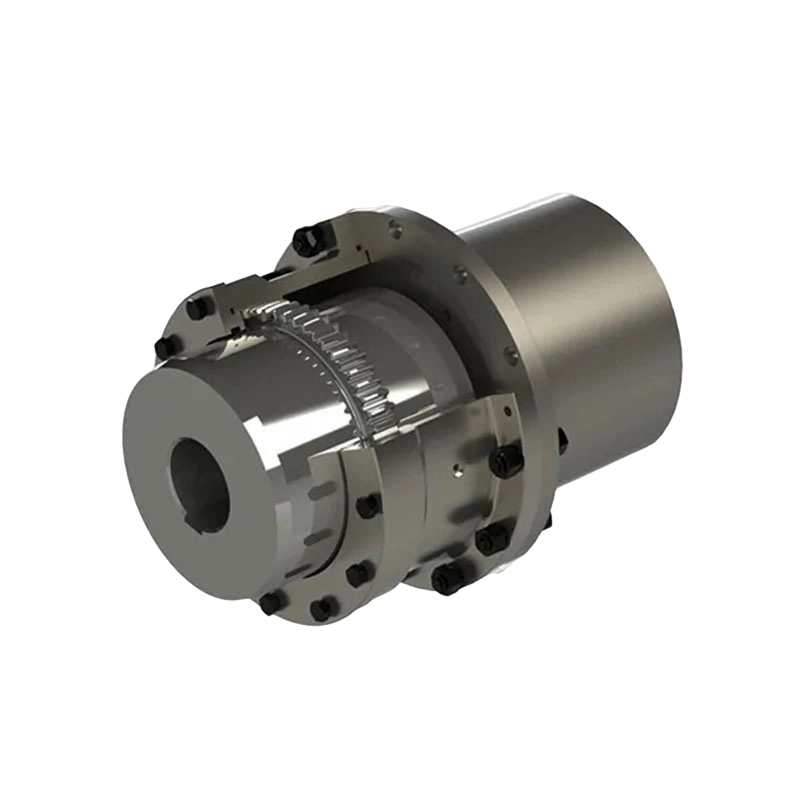
Universal couplings are characterized by their large angular misalignment compensation capability, with different structural designs allowing for different operating angle ranges between the two connected shafts. By utilizing their unique mechanical structure, universal couplings enable continuous rotary motion and reliable transmission of torque even when the driving and driven shafts are not aligned on the same axis and operate at an angle to each other. Their key advantages include strong angular compensation, a compact structure, and high transmission efficiency.
Classification By Torque Capacity
In practical applications, universal couplings are generally classified into heavy-duty, medium-duty, light-duty, and small-duty types according to the torque they transmit. Universal couplings are supplied with sufficient grease during assembly and do not require additional lubrication initially. However, if a coupling has been stored for more than six months, fresh grease should be applied before installation.
Lubrication And Maintenance Schedule
Universal coupling lubrication should be thorough — during the initial operating period, the bearing sections should be lubricated once a week. After normal operation is established, the bearings should be re-greased every three months, while the spline connection should be lubricated every six months.
When replenishing grease in the bearings, fresh grease should be added until the old grease is completely forced out through the seals and new grease begins to emerge.
Structure And Dynamic Performance
In high-speed and heavy-load power transmission systems, some couplings also provide cushioning, vibration damping, and improved dynamic performance of the shaft system. A universal coupling consists of two halves connected respectively to the driving shaft and the driven shaft. In many mechanical transmission systems, power equipment is connected to working machinery through a coupling.
Operating Angle And Shaft Configuration
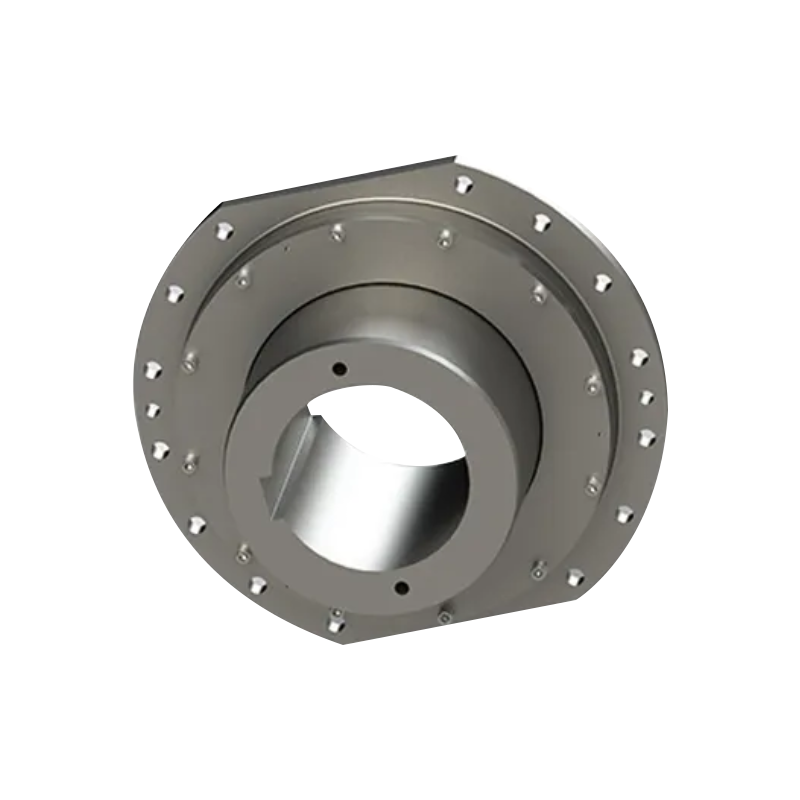
Each joint can generally accommodate an operating angle of up to 45° and is suitable for connecting shafts with relatively large center distances. Keyways, square bores, or hexagonal bores can also be machined according to application requirements, and the operating angle between the two shafts is permitted to vary within the specified range during operation.
Industrial Applications
Cross-shaft universal couplings are widely used to transmit torque in the mechanical drive systems of industries such as metallurgy, lifting equipment, engineering transportation, mining, petroleum, shipbuilding, coal, rubber processing, papermaking machinery, and other heavy industrial applications.
- Quick Links
- About
- Products
- Our Service
- News & Events
- Contact
- Products Series
- Flexible Couplings with Non-Elastic Elements
- Flexible Couplings with Metal Elastic Elements
- Flexible Couplings with Non-Metallic Elastic Elements
- Safety Coupling
- Rigid Coupling
- Contact Us
- Tel : +86 511 8572 3800 +86 511 8572 3900
- Mobile : +86 15106109009
- Email : sales@couplingzy.com
- Add:No.1 Zhongye Yingbin Avenue, Gaozi Street, Dantu Economic Development Zone, Zhenjiang City, Jiangsu Province, China.


