:+86 15106109009
:sales@couplingzy.com


 English
  русский
  Español
  عربى
عربى  Português
  Deutsch
  Türk
Türk  Indonesia

Current Trends and Challenges in the Coupling Industry
The coupling industry is experiencing notable shifts as it adapts to evolving market demands and technological advancements. With increasing emphasis on efficiency, reliability, and sustainability, manufacturers are focusing on innovative designs and materials to enhance the performance of couplings in various applications.
One of the key trends in the industry is the growing adoption of smart couplings, which integrate sensors and monitoring systems. These advancements enable real-time data collection and analysis, allowing for predictive maintenance and reducing downtime in critical operations. This is particularly significant in industries such as oil and gas, power generation, and automotive, where reliability is paramount.
Another important development is the shift towards lightweight materials. As industries prioritize energy efficiency, there is a rising demand for couplings made from advanced composites and high-strength alloys. These materials not only reduce the overall weight of machinery but also contribute to lower energy consumption, aligning with global sustainability goals.
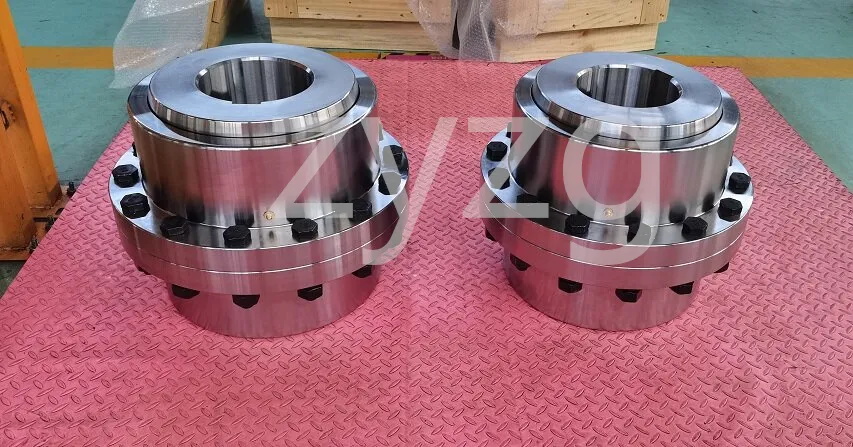
However, the industry also faces challenges, including supply chain disruptions and the need for skilled labor to manage and maintain these advanced systems. Manufacturers are investing in workforce training and development to address these gaps and ensure the smooth integration of new technologies.
As the coupling industry continues to evolve, staying ahead of these trends will be crucial for companies aiming to maintain their competitive edge in a rapidly changing landscape.
- Quick Links
- About
- Products
- Our Service
- News & Events
- Contact
- Products Series
- Flexible Couplings with Non-Elastic Elements
- Flexible Couplings with Metal Elastic Elements
- Flexible Couplings with Non-Metallic Elastic Elements
- Safety Coupling
- Rigid Coupling
- Contact Us
- Tel : +86 511 8572 3800 +86 511 8572 3900
- Mobile : +86 15106109009
- Email : sales@couplingzy.com
- Add:No.1 Zhongye Yingbin Avenue, Gaozi Street, Dantu Economic Development Zone, Zhenjiang City, Jiangsu Province, China.


